









A Small Failure That Exposed a Bigger Problem
It’s easy to dismiss a bad dessert as an isolated disappointment—an overcooked crust, a cloyingly sweet filling, or a soggy base. But sometimes, a single failed bite reveals something far more troubling: the slow erosion of culinary identity. The story of one terrible butter tart isn’t just about poor baking—it’s about how a beloved national staple can lose its soul when convenience, commercialization, and carelessness take over.
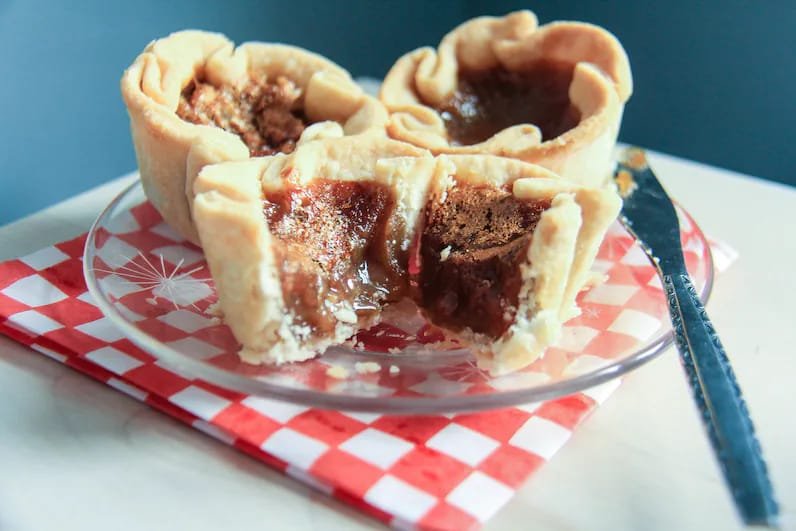
A butter tart, at its best, is deceptively simple. Its excellence lies in balance—flaky pastry, rich filling, and just the right interplay of sweetness and texture. When that balance collapses, it signals more than a mistake; it reflects a broader disregard for tradition and craft.
The Industrialization of Tradition
The decline in quality of classic foods often begins when they are scaled for mass production. Butter tarts are no exception. As demand grows, shortcuts follow: cheaper ingredients, standardized recipes, and automated processes that prioritize shelf life over flavor. What was once a handcrafted delicacy becomes a generic product—consistent, perhaps, but stripped of character.
This is not unique to butter tarts. Across the world, traditional foods—from bread to cheese to sweets—have faced similar dilution. The logic is simple: efficiency increases profit. But the consequence is equally clear: authenticity suffers. When a butter tart becomes just another sugary pastry, it loses the very qualities that made it worth preserving.
Why Authenticity Matters More Than Nostalgia
Defending traditional foods is often dismissed as nostalgia—an emotional attachment to “the way things used to be.” But this argument misses the point. Protecting culinary traditions is not about resisting change; it’s about maintaining standards.
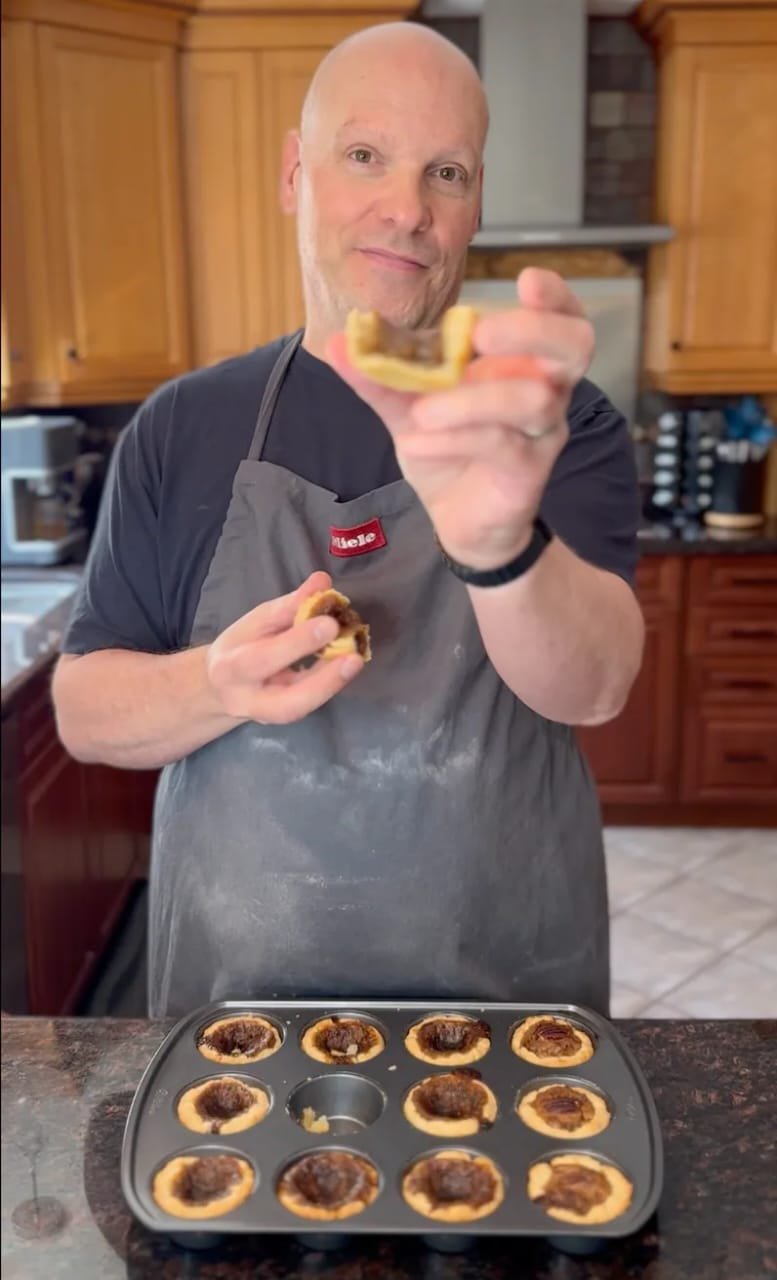
Authentic butter tarts represent more than taste. They reflect regional identity, generational knowledge, and a commitment to quality. When these elements are compromised, the loss is cultural as much as culinary. A poorly made tart doesn’t just disappoint the palate—it weakens the connection between people and their heritage.
One Person’s Mission Becomes a Collective Responsibility
What begins as one individual’s frustration can evolve into a broader movement. A bad butter tart can spark questions: Who is making these? Why has the quality declined? What defines a “real” butter tart? These questions, in turn, drive action—supporting local bakers, demanding better standards, and celebrating those who uphold tradition.
This kind of grassroots advocacy is powerful because it shifts responsibility back to both producers and consumers. Bakers are encouraged to prioritize craftsmanship, while customers become more discerning. Together, they create a market where quality is rewarded, not ignored.
The Role of Standards in Preserving Excellence
If a food is worth celebrating, it is worth defining. Clear standards—whether formal or informal—help protect what makes a dish unique. For butter tarts, this could mean emphasizing traditional ingredients, proper texture, and careful preparation.
Critics might argue that strict definitions limit creativity. In reality, they provide a foundation. Innovation is meaningful only when it builds on something solid. Without standards, there is nothing to innovate from—only a vague, diluted concept that can be endlessly altered without consequence.
A Lesson Beyond the Tart
The story of a terrible butter tart carries a lesson that extends far beyond one dessert. It highlights the tension between tradition and modernity, quality and convenience, identity and uniformity. These tensions exist in every culture and every cuisine.
Choosing to protect something as simple as a butter tart is, in essence, choosing to value authenticity in a world that often prioritizes speed and scale. It’s a reminder that small things matter—that preserving quality in everyday experiences is just as important as safeguarding grand traditions.
Conclusion: More Than Just a Dessert
What started as a disappointing bite becomes a call to action. The fight to protect a butter tart is not trivial; it is symbolic. It represents a refusal to accept mediocrity and a commitment to preserving what makes something truly special.
In the end, the real issue isn’t the bad tart—it’s what we’re willing to tolerate. And if one terrible butter tart can inspire a movement toward better standards, then perhaps it served a purpose after all.