







A Dangerous Display of Power Disguised as Strategy
The United States’ decision to impose a blockade in the Strait of Hormuz following failed negotiations with Iran is being framed as decisive leadership. In reality, it is a high-risk gamble that exposes a deeper flaw in modern geopolitics: the overreliance on coercion when diplomacy becomes inconvenient.
After marathon talks collapsed over Iran’s nuclear ambitions and regional influence, Washington chose escalation over endurance. What this reveals is not strength—but impatience. A blockade in one of the world’s most sensitive maritime chokepoints is not just a tactical move; it is a signal that diplomacy has been subordinated to dominance.
The Strait of Hormuz: Where Global Economics Meets Geopolitical Ego
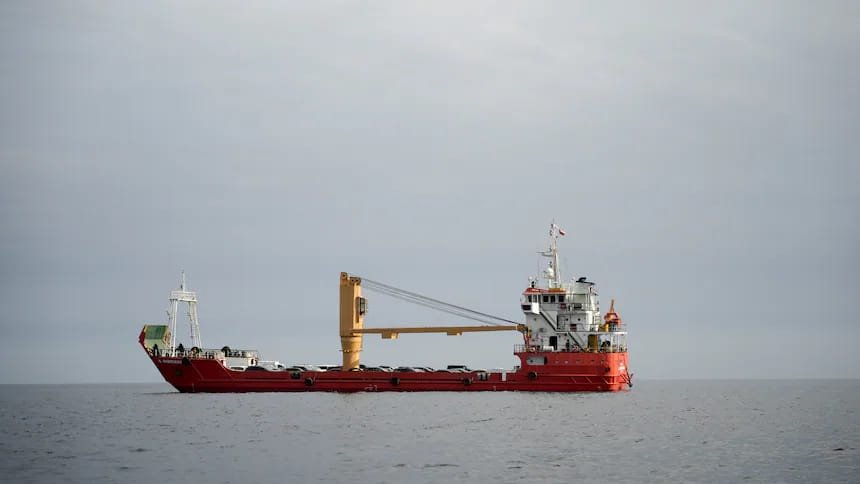
The Strait of Hormuz is not just another strategic location—it is the artery through which nearly a fifth of the world’s oil flows. Any disruption here sends immediate shockwaves across global markets.
We are already seeing the consequences. Oil prices have surged past $100 per barrel, and financial markets are reacting with volatility. Tankers are rerouting, hesitating, or anchoring in uncertainty.
This is not a localized conflict—it is a global economic event.
The uncomfortable truth is that weaponizing such a critical trade route is less about solving a conflict and more about leveraging global dependence as a bargaining chip. But that strategy cuts both ways. What hurts Iran will inevitably hurt everyone else.
Blockade or Provocation? Walking the Line Toward War
Let’s be clear: a naval blockade is not a neutral act. It is widely interpreted in international relations as an act of war—or at the very least, a step dangerously close to one.
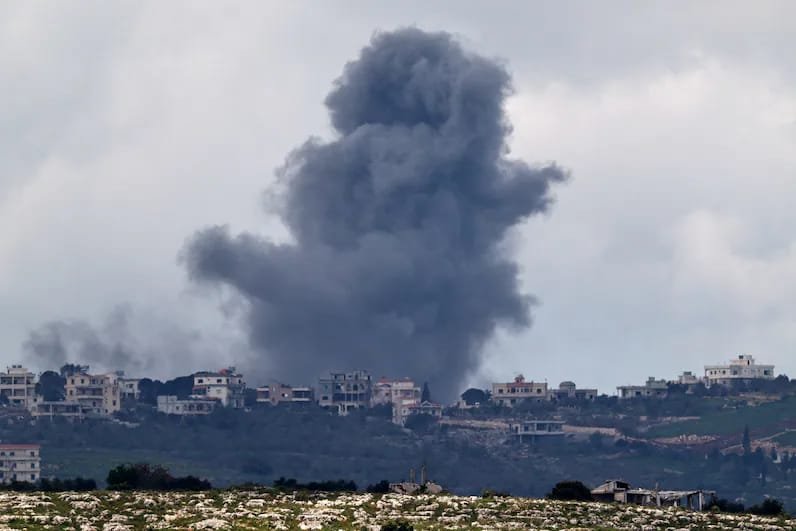
Iran has already warned that enforcement actions could trigger military retaliation. In a region already scarred by weeks of conflict and thousands of casualties, this move risks turning a fragile ceasefire into a full-scale confrontation.
History offers a sobering lesson. Blockades rarely de-escalate tensions—they harden positions. From Cuba in 1962 to modern maritime standoffs, such actions tend to corner adversaries rather than compel cooperation.
The U.S. may believe it is applying pressure. Iran will likely interpret it as aggression.
The Illusion of Control in an Uncontrollable Region
There is an implicit assumption behind the blockade: that the U.S. can control escalation. That assumption is flawed.
The Middle East is not a closed system. It is a web of alliances, proxy forces, and competing interests. Any escalation in the Strait of Hormuz risks drawing in regional actors, disrupting energy infrastructure, and triggering asymmetric responses—from cyberattacks to proxy warfare.
Even the logistics of enforcement are uncertain. While the U.S. claims it will target vessels linked to Iranian ports, not all traffic, the ambiguity itself creates risk. Misidentification, miscalculation, or miscommunication could ignite a broader crisis.
Control, in this context, is largely an illusion
 .
.
A Failure of Diplomacy, Not Just Negotiation
The collapse of talks is being attributed to predictable disagreements—nuclear policy, regional influence, and trust deficits. But framing it as a simple negotiation failure misses the bigger picture.
Diplomacy is not about immediate agreement; it is about sustained engagement. Walking away and replacing dialogue with military pressure signals a lack of long-term strategy.
What’s missing here is patience—the willingness to tolerate ambiguity while building incremental trust. Instead, we see a binary approach: agreement or escalation.
That is not diplomacy. That is brinkmanship.
Conclusion: Strength Is Not Always Loud blockade of the Strait of Hormuz may project strength, but it risks achieving the opposite. It destabilizes markets, provokes adversaries, and places the global economy at the mercy of geopolitical rivalry.
True strategic strength lies in restraint, consistency, and the ability to manage conflict without amplifying it.
By choosing escalation at one of the world’s most fragile chokepoints, the U.S. is not just confronting Iran—it is testing limits of global stability itself.