The news that the United States Department of Homeland Security is planning to acquire a warehouse in Hanover County, Virginia — owned by B.C. billionaire Jim Pattison’s property arm — for conversion into an Immigration and Customs Enforcement (ICE) processing facility is more than a real-estate transaction. It’s a bellwether moment that forces us to confront how private capital and public policy intersect with one of the most contentious issues in North American politics today.
This development demands scrutiny not just because of what it means for migrants, but because it highlights the ethical responsibilities — and blind spots — of global capital in an era of expanding enforcement. Below, I lay out why this matters and what it reveals about power, accountability, and the role of business in society.
The Facility Isn’t Just a Building — It’s a Symbol
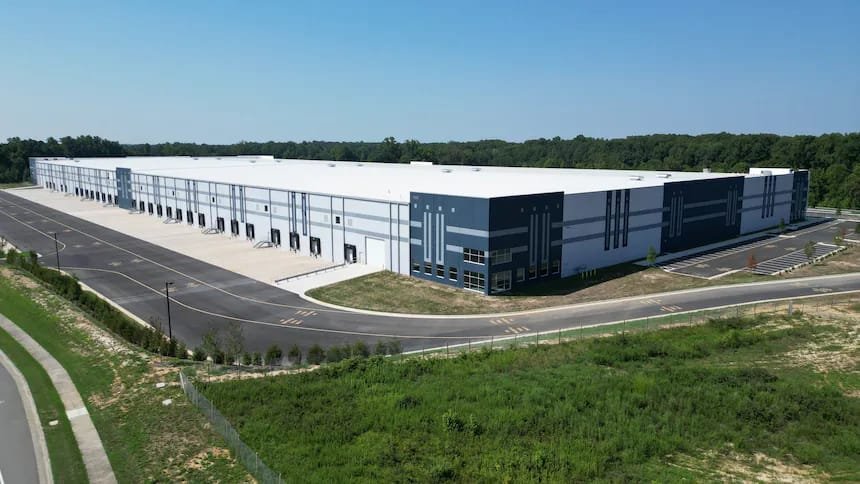
On its face, the proposed transformation of a 550,000-square-foot warehouse into an ICE “processing facility” may seem like a mundane logistical change. But the implications are anything but ordinary. This facility would serve as a site where people are temporarily held, processed, and potentially transferred deeper into the immigration detention system — a system that has been sharply criticized for lengthy detention times, lack of transparency, and severe conditions.
When a private asset becomes part of such a controversial apparatus, it symbolically aligns a private entity with policies that many view as coercive and inhumane. The warehouse is no longer neutral real estate — it becomes an infrastructural node in a broader machinery of enforcement.
Accountability: A Billionaire’s Blind Spot
Jim Pattison is widely known in Canada for his business success and philanthropic efforts, from healthcare donations to community initiatives. Yet this episode reveals a stark disconnect: possessing capital and influence is not the same as exercising ethical stewardship over how that capital is deployed on the world stage.
Critically, there’s no evidence Pattison actively sought this outcome — the deal has not even closed, and it’s possible the buyer hasn’t been disclosed to the seller at all in the negotiation phase. Yet the absence of intent does not absolve influential actors from responsibility. In a hyper-globalized world, choosing not to foreclose morally problematic paths is itself a choice.
Billionaires and major corporations shape landscapes — literally and figuratively. They must be held to account for whether their assets become tools of oppression or instruments of positive change.
Public Outrage Isn’t Mob Mentality — It’s Democratic Engagement
The public response — from calls for boycotts to demands for corporate accountability — isn’t irrational anger; it’s the exercise of democratic agency. Citizens see an uncomfortable truth: corporations don’t exist in a vacuum, and free markets don’t operate independently of human consequences. When everyday people express indignation that a Canadian firm’s property might be tied to immigration detention, they are asserting that economic activities should reflect social values.
This is not anti-business sentiment — it’s pro-ethical governance. Businesses thrive because society allows them to operate; they should not be exempt from moral scrutiny simply because they are successful.

Why This Matters Beyond Borders
At first glance, a warehouse in Virginia may seem distant from Canadian soil. But this moment illustrates how interconnected our economic and political ecosystems are. Canadian capital, leveraged in U.S. territory, may directly impact people affected by U.S. immigration policy — people whose only “crime” might have been seeking a better life.
This isn’t about vilifying one person or condemning an entire industry. It’s about the principle that where there is wealth and influence, there must be corresponding accountability for the societal impact of how that wealth is used.
A Call to Action: Ethics Before Expedience
We stand at a crossroads. If billionaires and corporations choose expediency over ethics, they risk enabling systems that erode human dignity and deepen global inequities. If they instead choose responsibility — by refusing to be silent or passive participants in problematic policies — they can help shift the narrative toward one where economic activity aligns with human rights.
The proposed ICE facility at Jim Pattison’s Virginia warehouse is not just business. It’s a test case: Will powerful actors only react when controversy becomes impossible to ignore, or will they pre-emptively shape their actions by a compass of conscience?
The answer to that question will define not just this moment, but how business intersects with public policy for years to come.
About the Author