A Tragedy That Demands Reflection, Not Sensationalism
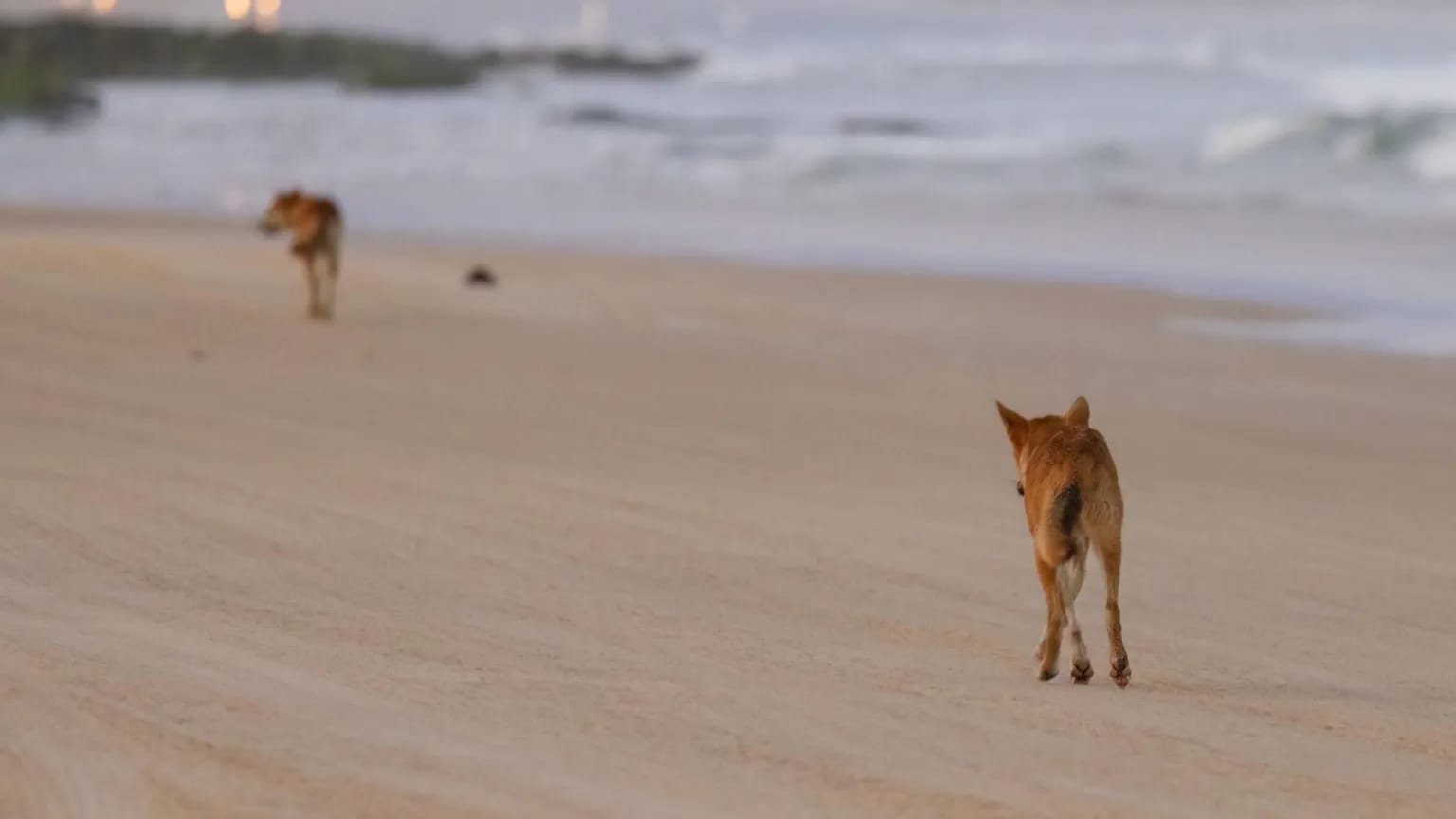
The death of a Canadian tourist found on an Australian beach, reportedly surrounded by dingoes, has triggered a predictable wave of shock, fear, and finger-pointing. Headlines have rushed to frame the incident as a chilling confrontation between humans and wild animals. But this tragedy deserves more than sensational narratives. It demands a deeper, more uncomfortable reflection on human behavior, risk awareness, and our increasingly careless relationship with nature.
Dingoes as Scapegoats: A Familiar Pattern
History shows that when tragedy strikes in the wild, animals are often blamed first. Sharks, bears, wolves—and now dingoes—are quickly cast as villains. Yet in many such cases, investigations later reveal far more complex circumstances: health emergencies, environmental exposure, disorientation, or human error. Dingoes, like most wild animals, are opportunistic scavengers rather than habitual predators of humans. To assume causation based solely on proximity is not only intellectually lazy but dangerous, as it fuels fear-based policies that often lead to unnecessary culling and ecological damage.
The Myth of the “Safe” Wilderness
One uncomfortable truth stands out: many modern travelers underestimate nature. Well-marketed tourism and social media aesthetics have created an illusion that remote beaches and national parks are extensions of urban safety zones. They are not. Wild landscapes operate on their own rules—rules that do not bend for visitors unfamiliar with the risks. Heat, dehydration, isolation, wildlife behavior, and delayed emergency response all make such environments inherently dangerous, especially for solo travelers.
Personal Responsibility Cannot Be Ignored
While compassion is essential, accountability must also be part of the conversation. Adventure travel carries implicit responsibility. Understanding local wildlife, adhering to safety advisories, and respecting environmental warnings are not optional extras—they are fundamental. Real-world examples repeatedly show that preventable tragedies often stem from ignored guidelines or lack of preparation. This does not diminish the loss of life, but it does help prevent future ones.
Media’s Role in Shaping Public Fear
The media’s framing of such incidents matters. When headlines emphasize danger without context, they distort public understanding and pressure authorities into reactionary decisions. We have seen this before: animals destroyed, ecosystems disrupted, and communities divided—all based on incomplete narratives. Responsible journalism should prioritize verified facts, ecological context, and restraint over clicks and outrage.
Coexisting With Nature, Not Conquering It
Australia’s beaches, like many wild places around the world, are not theme parks. They are living ecosystems. Coexistence requires humility—accepting that humans are visitors, not masters. The real lesson from this tragedy is not that nature is cruel, but that it is indifferent. Survival depends on respect, preparation, and informed decision-making.
A More Honest Takeaway
The death of a Canadian tourist on an Australian beach is undeniably tragic. But if the takeaway is simply “dingoes are dangerous,” then we have learned nothing. A more honest conclusion is harder but more useful: humans often overestimate their control, underestimate risk, and then look for someone—or something—to blame. If this tragedy leads to better education, more responsible tourism, and more thoughtful reporting, then at least some meaning can emerge from an otherwise senseless loss.
About the Author