







A Death That Exposes More Than a Single Decision
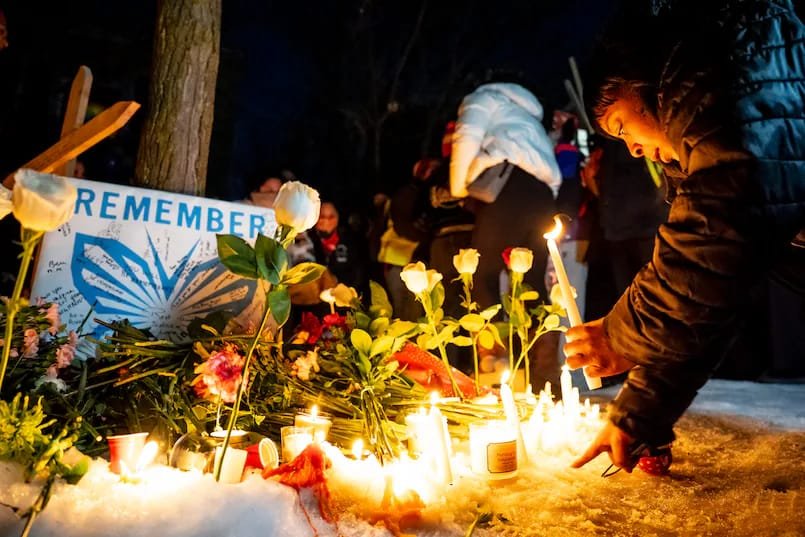
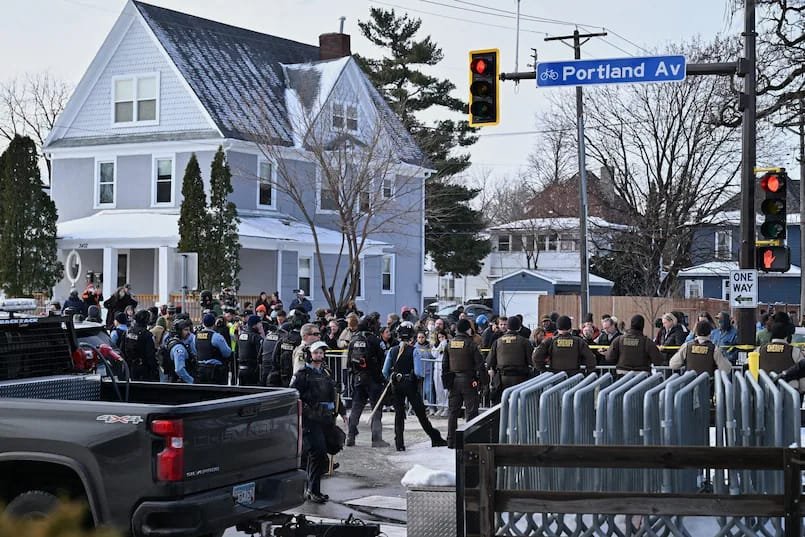
The fatal shooting of a woman by an ICE agent during an immigration crackdown in Minneapolis is not just a tragic loss of life; it is a revealing moment for how immigration enforcement is conducted in the United States. When the mayor publicly disputes the federal government’s claim of self-defense, the issue moves beyond a single encounter and into a deeper debate about accountability, militarization, and the blurred line between law enforcement and intimidation. This is not about one agent alone—it is about a system that too often prioritizes force over judgment.
The Problem With “Self-Defense” as a Default Explanation
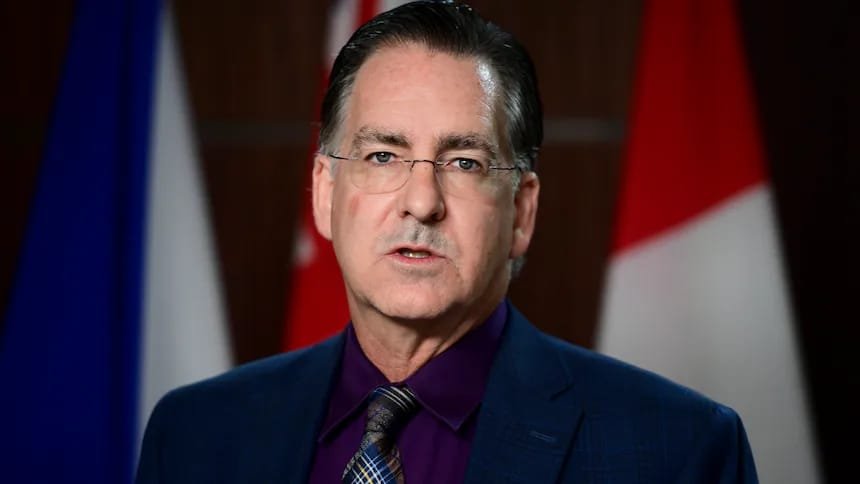
Invoking self-defense has become a near-automatic response in fatal encounters involving federal or local officers. While self-defense is a legitimate legal principle, its overuse erodes public trust, especially when initial narratives conflict with local leadership or eyewitness accounts. In this case, the mayor’s challenge signals a critical democratic function: local officials acting as a check on federal power. If self-defense claims are accepted without rigorous, independent scrutiny, accountability becomes performative rather than real.
Immigration Enforcement Is Not a Battlefield
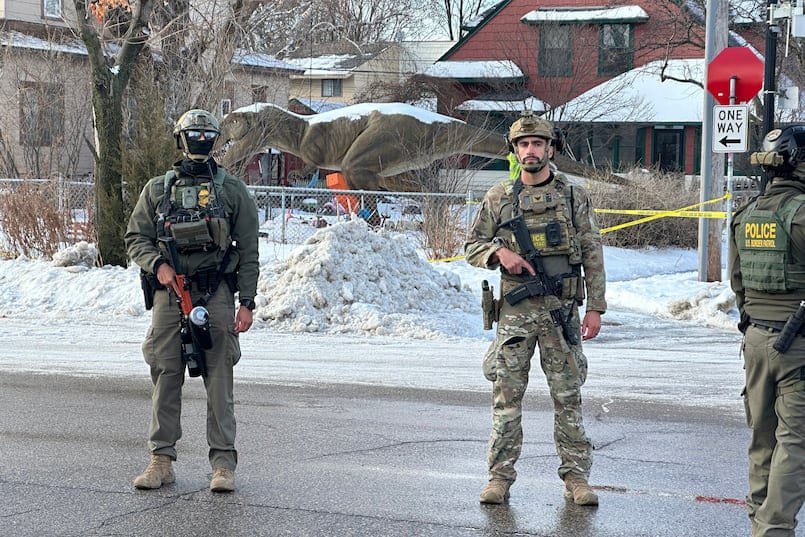
ICE agents are not deployed in war zones, yet immigration operations increasingly resemble tactical missions. The use of aggressive tactics in civilian settings—traffic stops, homes, neighborhoods—raises the risk of lethal escalation. Immigration violations are civil offenses, not violent crimes by default. Treating them as such transforms routine enforcement into a high-stakes confrontation where fear, misinterpretation, and split-second decisions can cost lives. Minneapolis is a reminder that when enforcement mimics combat, civilians pay the price.
Federal Power Versus Local Reality
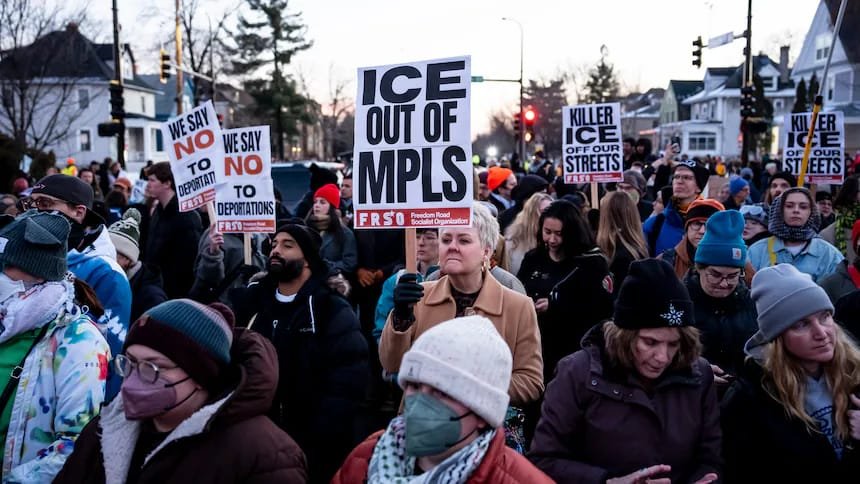
The mayor’s public dispute matters because local governments absorb the consequences of federal actions. Communities live with the trauma, protests, and distrust that follow deadly incidents. Federal agencies, meanwhile, often operate with limited transparency and minimal local consent. This imbalance creates a dangerous accountability gap: Washington authorizes the tactics, but cities inherit the fallout. That gap is where public confidence collapses.
Fear as a Policy Outcome
Aggressive immigration crackdowns do not just target undocumented individuals; they send shockwaves through entire communities. Families avoid schools, hospitals, and even police assistance out of fear. When an operation ends in death, that fear hardens into resentment and silence. From a policy standpoint, this is self-defeating. Public safety depends on cooperation, not terror. A system that relies on intimidation undermines its own stated goals.
Accountability Is Not Anti-Law Enforcement
Demanding independent investigations and questioning official narratives is not an attack on law enforcement—it is a defense of its legitimacy. The strongest institutions are those willing to examine their failures openly. If ICE and the federal government want public trust, they must welcome scrutiny, release evidence promptly, and accept local oversight when operations turn deadly.
A Turning Point, If We Choose It
The Minneapolis shooting should mark a turning point in how immigration enforcement is discussed and designed. This is not a call to abandon the rule of law, but to enforce it with proportionality, restraint, and humanity. When civil enforcement results in civilian death, the system—not just the individual—must be put on trial in the court of public reason.
Conclusion: Law Without Legitimacy Is Just Force
A government’s authority rests not only on its power to enforce laws, but on the public’s belief that those laws are enforced fairly and wisely. The killing of a woman during an immigration crackdown—and the immediate dispute over the truth—signals a legitimacy crisis. If leaders ignore this moment, such tragedies will repeat. If they confront it honestly, Minneapolis could become the catalyst for reform rather than another name on a growing list of preventable deaths.