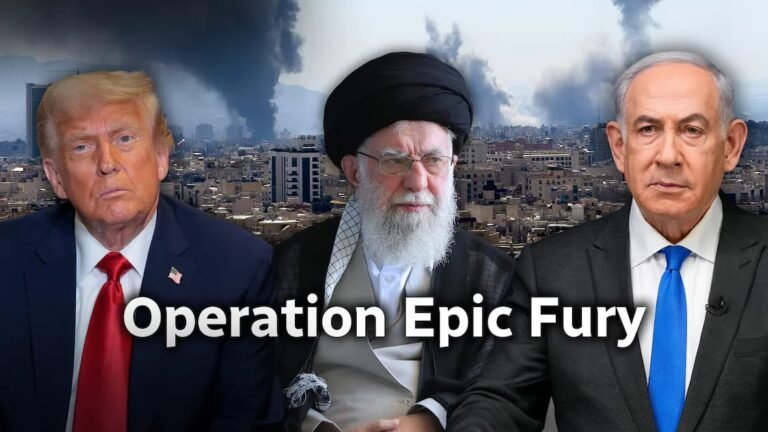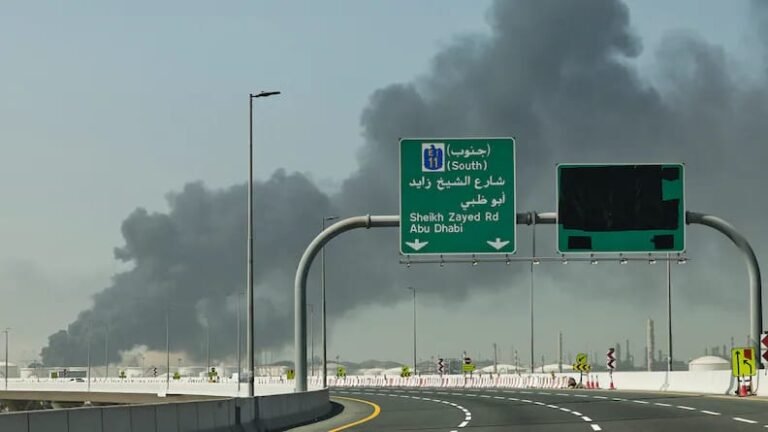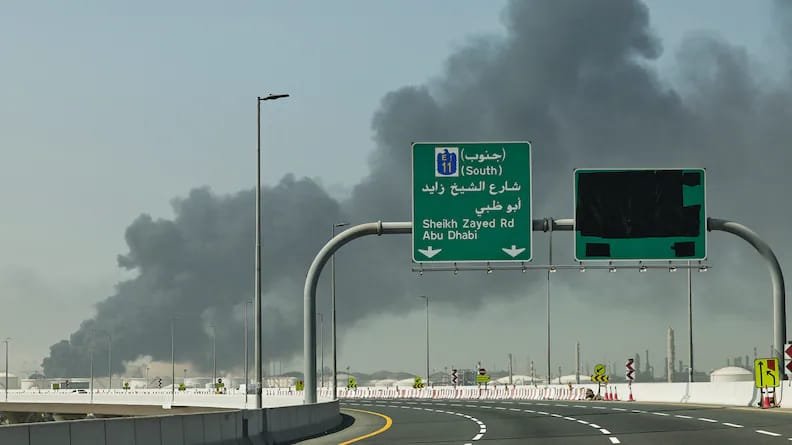
The latest drone and missile strikes attributed to Iran have pushed the United Arab Emirates into a state of heightened security alert after three people were killed and dozens injured. Beyond the immediate tragedy, this moment represents something far more consequential: a turning point in Gulf security dynamics and a sobering reminder that regional conflicts no longer stay confined within traditional borders.
A New Era of Asymmetric Warfare
The strikes underscore a hard truth — modern warfare has evolved. Drones and precision-guided missiles have lowered the barrier to projecting force across borders. States no longer need large troop deployments or conventional invasions to destabilize rivals. A handful of unmanned systems can now inflict casualties, disrupt markets, and generate global headlines.
For the UAE, a country known for stability, global business confidence, and advanced infrastructure, this is not merely a security breach; it is an attack on its strategic identity. The nation has positioned itself as a safe hub for commerce and diplomacy in a volatile region. When drone strikes pierce that image, the message reverberates far beyond the battlefield.
The Strategic Signal Behind the Strikes
These attacks should not be viewed in isolation. In geopolitics, timing is rarely accidental. Escalatory actions often serve multiple purposes: signaling power, testing defenses, and shaping negotiation leverage.
By targeting a state like the UAE — deeply integrated into global trade and finance — Iran (whether directly or through aligned actors) demonstrates that economic centers are now part of the modern battlefield. This transforms infrastructure, ports, and airports into symbolic targets. The objective may not simply be destruction, but deterrence through uncertainty.
The strategic calculation is clear: if economic stability becomes fragile, diplomatic leverage increases.
Security vs. Stability: The Gulf’s Balancing Act
The UAE now faces a critical decision-making moment. A strong security response is necessary to restore confidence domestically and internationally. Yet overreaction carries its own risks — escalation cycles can spiral quickly in the Gulf.
The most effective response may not be loud retaliation, but layered resilience:
- Strengthening missile defense systems
- Deepening intelligence cooperation with regional and global partners
- Enhancing cybersecurity and drone interception capabilities
The lesson here is that defense in 2026 is multidimensional. It requires technological sophistication, diplomatic agility, and economic shock absorption.
Economic Confidence Is Now a Security Issue
Global investors watch stability metrics closely. When missiles strike, markets respond. Insurance premiums rise. Risk calculations shift. For a country whose GDP is heavily connected to trade, tourism, and foreign investment, perception is almost as important as protection.
However, the UAE’s institutional maturity may prove to be its strongest shield. Its diversified economy, sovereign wealth buffers, and global partnerships provide a cushion that many states lack. In this sense, resilience is strategic deterrence.
A Regional Wake-Up Call
This incident is not only about the UAE. It is a warning to the broader Middle East. The normalization of drone warfare means no state — regardless of diplomatic positioning — is immune to spillover risks.
The region must confront a pressing question: Will it allow proxy and missile strategies to dictate its future, or will it invest more deeply in collective de-escalation mechanisms?
Long-term stability will not come solely from missile defenses. It will come from diplomatic frameworks that reduce incentives for cross-border escalation.
Conclusion: Strength Through Calculated Resolve
The UAE’s high alert status is not just a defensive posture — it is a signal of resolve. The coming weeks will test its leadership, alliances, and crisis management capabilities.
History shows that nations are defined less by the attacks they endure and more by how they respond. If handled with strategic patience, technological advancement, and diplomatic intelligence, this moment could reinforce — rather than weaken — the UAE’s position as a stabilizing force in the region.
The tragedy of three lives lost must not be minimized. But neither should the broader lesson be ignored: in the age of drones and missiles, resilience is power, and stability is strategy.
About the Author