




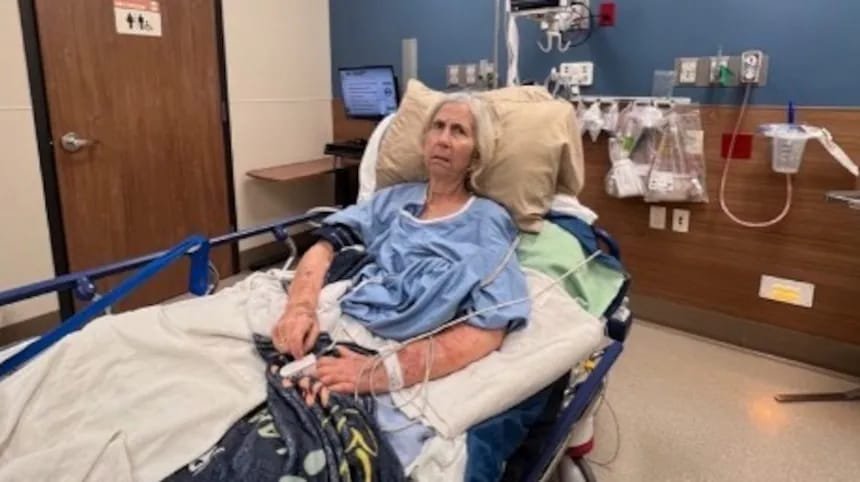
The Incident
A 70-year-old American living with Amyotrophic Lateral Sclerosis (ALS) has died, alone, in a U.S. hospital — weeks after paying US $84,000 for treatment at a controversial private health facility in Saskatchewan. The patient travelled to Dr. Goodenowe Restorative Health Centre, drawn by promises of healing for her debilitating condition. Former employees of the centre later revealed that as her symptoms worsened, she was left without support; the facility’s management allegedly abandoned her care, leaving her to seek urgent medical attention on her own.
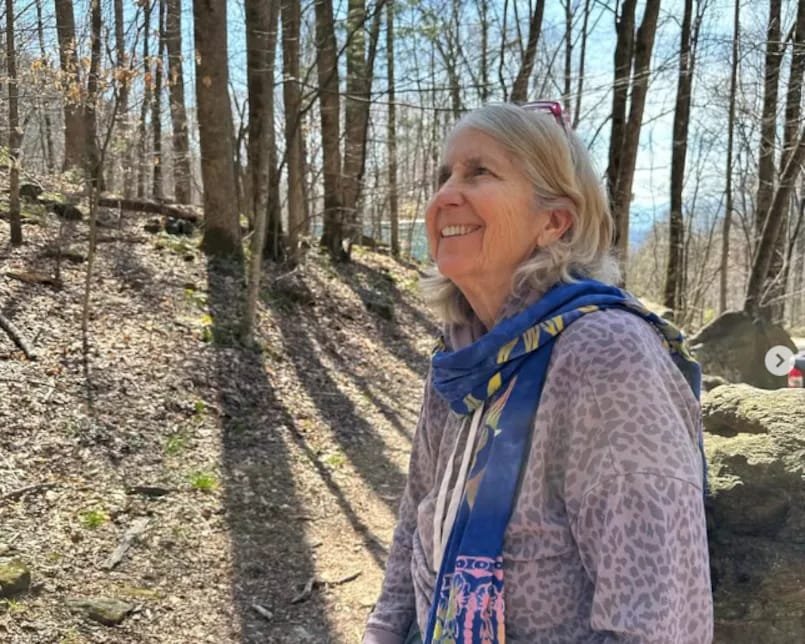
Location & Context
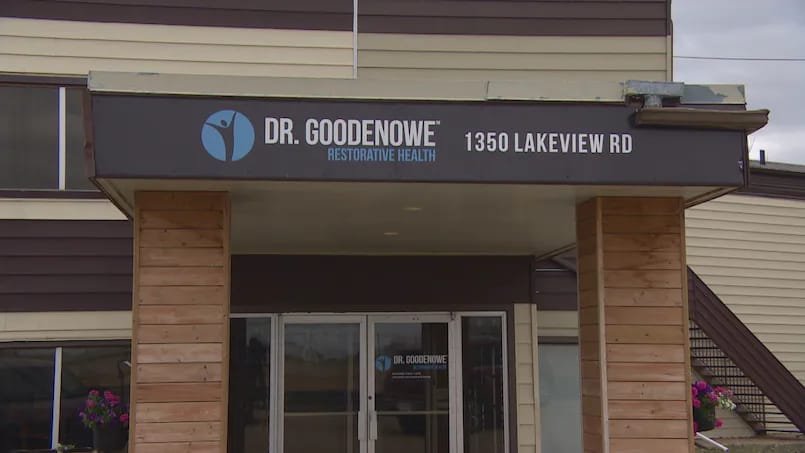
The facility in question is located in Moose Jaw, a city in the Canadian province of Saskatchewan. The centre had been offering a one- to three-month live-in treatment program to patients diagnosed with serious neurodegenerative disorders such as ALS, Parkinson’s, Alzheimer’s, and Multiple Sclerosis. For clients from abroad — particularly the United States — the cost could escalate up to nearly US $90,000.
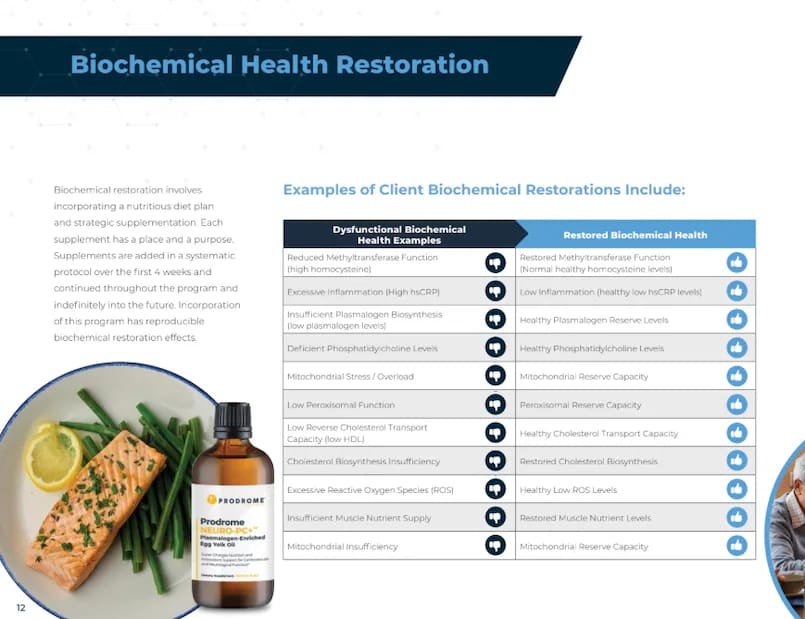
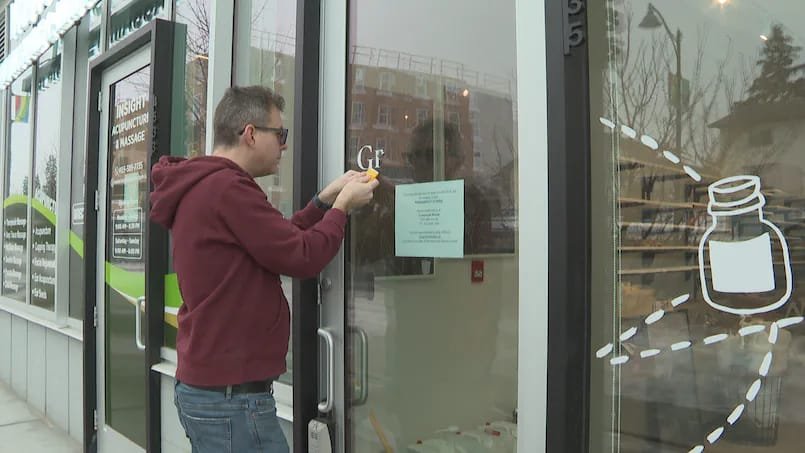
Though the centre presented itself as a haven for those desperately seeking hope, critics say the business operated outside the formal Canadian healthcare system: the operator is not registered with the provincial medical regulatory authority, and the centre lacks licensed doctors or nurses. Patients seeking cures were instead offered a regimen of supplements, personalized “biochemical assessments,” physiotherapy, and rehabilitation — described on the centre’s website as ways to “restore your biochemistry.”
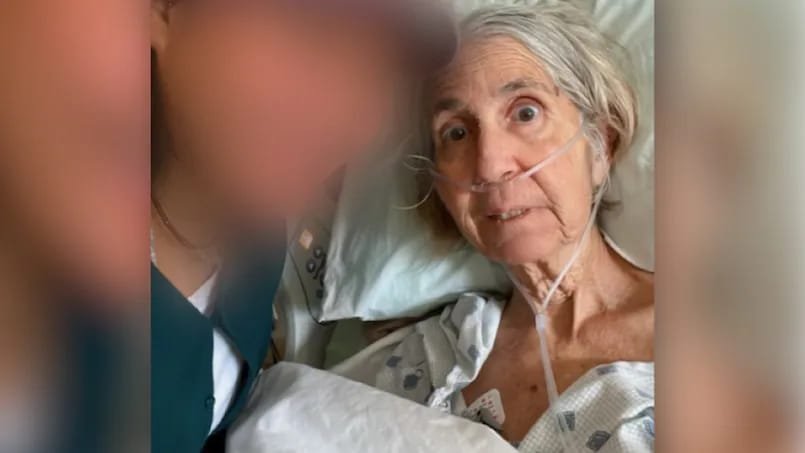
What Is Known So Far
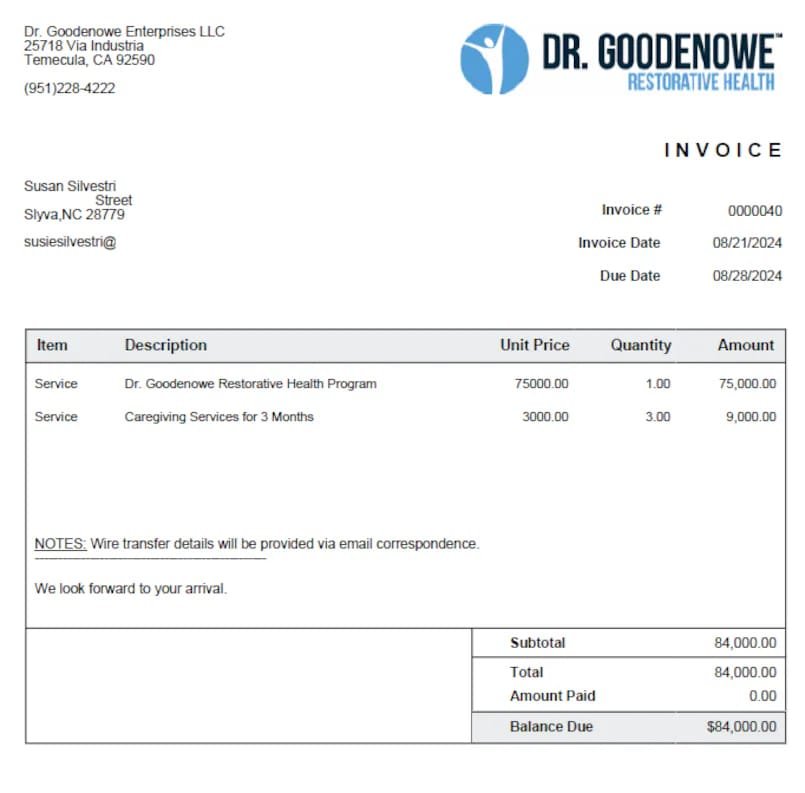
According to reporting, the late American patient had paid US $84,000 for her stay at the centre, hoping to slow or reverse the painful progression of ALS.
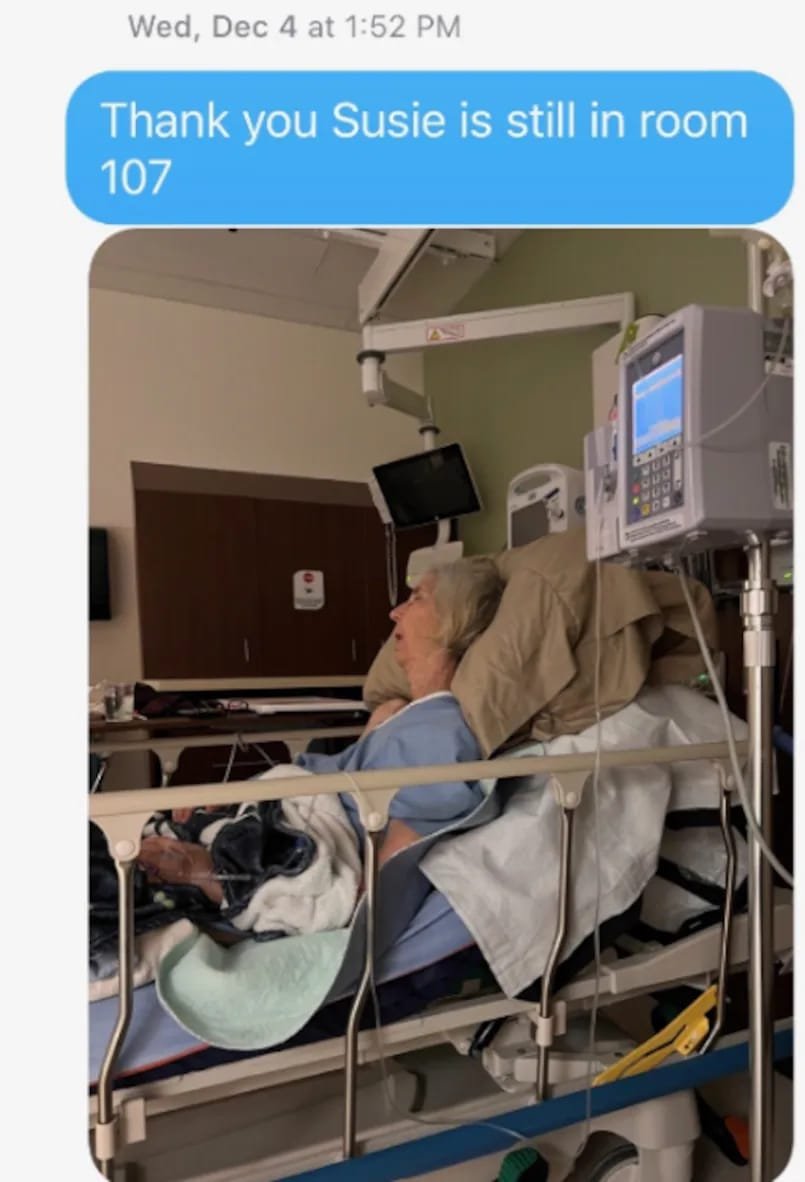
As her condition deteriorated, she claimed she was left unsupported by the facility; former staff say she was effectively abandoned.
Unable to receive adequate care at the centre, she returned to the United States — where she subsequently died in hospital alone.
The centre’s treatments have been widely criticized as unsupported by any scientifically validated clinical evidence. The ALS Society of Saskatchewan and political representatives have jointly demanded a full investigation into the centre’s practices.
According to the Society, there is a danger that facilities like this exploit vulnerable people — those facing terminal diagnoses — selling false hope for profit under the guise of medical treatment.
Broader Reflections
This tragic outcome shines a harsh light on the gap between human hope and medical reality. For many diagnosed with terminal illnesses like ALS — a disease known to progressively rob a person of muscle control and bodily autonomy — the pull of a possible “cure” can be overwhelming.
But when desperation meets unregulated practices, the consequences can be devastating. The decision to invest tens of thousands of dollars, uproot oneself, and commit to treatment — all on faith — underscores the vulnerability of patients and their families. In this case, the cost was not just financial. It was life itself.
What remains even more painful is the sense of abandonment — not just by a facility that promised healing, but by a system that allowed that facility to operate with minimal oversight. When regulatory safeguards fail or are absent, vulnerable people bear the brunt.
Community Reaction
Within Saskatchewan, the loss has reignited fierce debate over the role and oversight of private health-care operations targeting terminally ill patients. The ALS Society of Saskatchewan and others have condemned the centre’s practices as exploitative and unethical, while calling on provincial authorities to intervene.
Among patients living with ALS, there is anger and fear. Many say they — like the deceased — had considered the centre’s offerings out of sheer desperation. One patient said the promises felt like a lifeline. Another described them as “false hope sold for profit.”
For families coping with ALS diagnoses, the tragedy has become a chilling warning: in moments of vulnerability, promises of miracle cures can do more harm than good.
The Road Ahead
Calls are growing for immediate and robust regulatory action. Advocates want a full investigation into the centre’s business — its staffing, its credentials, its claims — and whether it breached ethical guidelines by offering “treatments” without any scientific basis. The ALS Society has urged that governments step in to ensure that patients are protected and that vulnerable individuals are not preyed upon.
More broadly, this should serve as a caution for patients and families worldwide: when dealing with a tragic diagnosis, it is vital to approach “treatments” without validation with utmost skepticism. Compassion, hope, and even desperation must be balanced by critical scrutiny.
A Reflective Note
This heartbreaking death is more than a statistic or a sensational headline — it is a human story of hope, suffering, and loss. It reminds us that when people are at their most vulnerable — battling terminal illness, grasping for a chance at life — they must not be left alone to navigate a world of unregulated promises.
In the silent hospital room where she passed away, far from the facility that once offered hope, lay a warning: healing is not just a matter of money or wishful thinking. It requires honesty, compassion, and above all — responsibility. As we remember her, let us recommit to everyday vigilance: to protect the vulnerable, to question claims that sound too good to be true, and to approach suffering with empathy, integrity — and unwavering care.
One thought on “Tragedy After Hope: American ALS Patient Dies Following $84K Stay at Disputed Sask. Centre”