








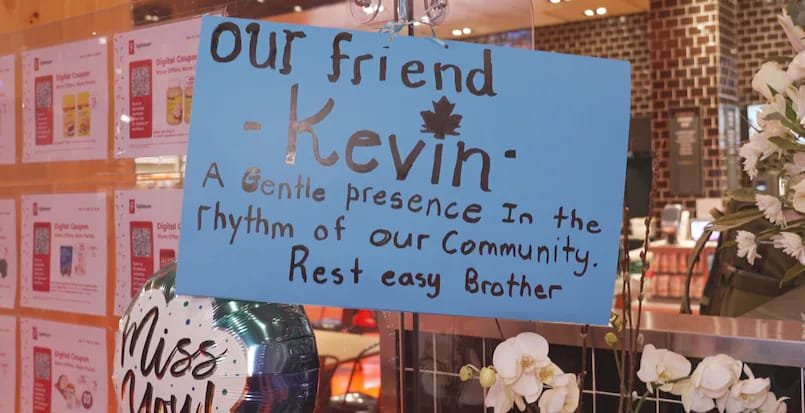
More Than a Gesture: Why This Tribute Truly Matters
When a Toronto Maple Leafs player took time to honor a late grocery store worker who was a lifelong fan, it wasn’t just a feel-good headline—it was a reminder of what professional sports are supposed to represent. In an era where athletes are often criticized for being disconnected from everyday realities, this act cut through the noise. It showed that fandom is not transactional, and loyalty doesn’t depend on wealth, status, or proximity to the spotlight.
This tribute mattered because it acknowledged something sports leagues frequently overlook: teams are built as much by people in grocery aisles as they are by people in luxury suites.
The Backbone of Sports Fandom Lives Off the Ice
Grocery store workers, transit operators, teachers, nurses—these are the people who keep cities running. They are also the ones wearing jerseys on long shifts, listening to games on radios, and defending their teams in everyday conversations. The Leafs’ fan base isn’t powered by marketing campaigns; it’s sustained by people who show up emotionally, season after season, despite disappointment.
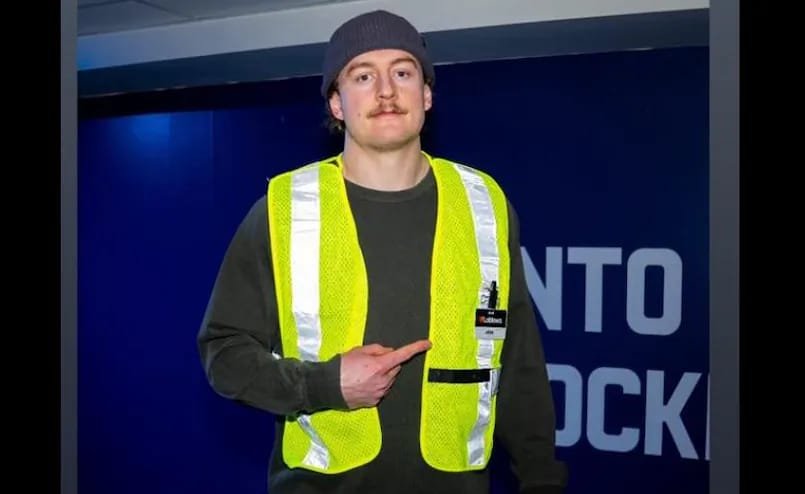
By recognizing a grocery store worker, the player implicitly recognized this broader truth: without ordinary fans, professional sports would collapse into empty spectacle. No chants. No atmosphere. No legacy.
Why Symbolism Still Has Power in a Cynical Sports Era
Skeptics may dismiss the tribute as symbolic, but symbolism matters—especially in sports culture. A single public acknowledgment can reframe how fans see their relationship with a team. It tells them they’re not invisible, that their devotion is noticed even if they never step inside an arena.
This is particularly relevant in a league where rising ticket prices and corporate branding increasingly alienate everyday supporters. Small, sincere gestures push back against that trend and restore a sense of shared ownership.

A Challenge to Other Athletes—and the Organization
This moment also sets a quiet but meaningful challenge for other players and teams. Paying tribute isn’t about grand ceremonies; it’s about awareness. Athletes have platforms powerful enough to validate lives that rarely receive recognition. When used thoughtfully, that power can humanize sports and reconnect teams with their communities.
For the Maple Leafs organization, this is an opportunity—not an endpoint. Community connection shouldn’t rely on individual players alone. Institutionalizing respect for everyday fans would strengthen the team’s identity far more than any rebrand.


Tried xoilac86 for the first time last night, and I gotta say, I was impressed. No lag, high quality stream. Thumbs up! xoilac86