









The Cockpit Is Not a Campaign Stage
When Canadian fighter pilots strap into an F-35 cockpit at a U.S. training base, they are not representing a party, an ideology, or a political mood back home. They are representing a mission: fly safely, operate effectively, and prepare for combat scenarios where mistakes cost lives. The insistence that politics stay out of the cockpit isn’t avoidance—it’s professionalism. In high-risk military aviation, neutrality is not a weakness; it’s an operational necessity.
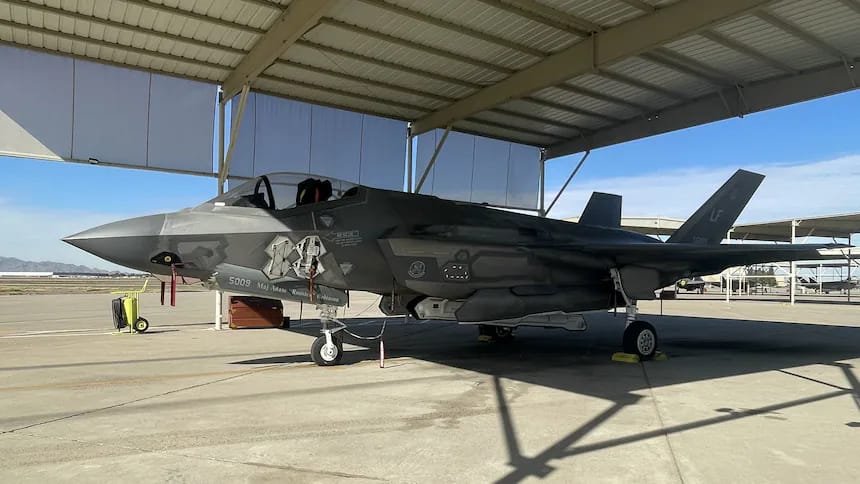
Modern air combat demands total cognitive focus. An F-35 is not simply an aircraft; it’s a flying data center, sensor fusion platform, and weapons system rolled into one. There is no mental bandwidth for political signaling when a pilot is managing threat detection, coordinating with allied assets, and making split-second life-or-death decisions.
Interoperability Over Ideology
Canada’s decision to train F-35 pilots in the United States reflects a reality that transcends domestic political debate: modern defense is multinational. The F-35 program itself is a joint enterprise involving multiple allied nations, designed specifically to ensure interoperability in real conflict scenarios. If Canadian pilots can’t seamlessly operate alongside U.S., NATO, and partner forces, the aircraft’s strategic value collapses.

Political posturing—on either side of the border—risks undermining that interoperability. Training environments must be sterile from ideological friction so trust can form naturally. A pilot must know that the person flying wing beside them will act predictably, professionally, and according to shared rules of engagement—not personal or national political sentiment.
Professional Soldiers, Not Political Symbols
There is a growing temptation in democratic societies to turn uniformed service members into symbols within political debates. That impulse is dangerous. Soldiers, sailors, and pilots swear allegiance to the state, not to the government of the day. Their credibility depends on being seen as apolitical instruments of national defense.
Canadian pilots training in the U.S. are not endorsing American foreign policy, nor are they surrendering Canadian sovereignty. They are mastering a weapons system Canada has chosen—after years of debate—to anchor its future air defense. Conflating training cooperation with political alignment cheapens the seriousness of military readiness.
The Cost of Letting Politics Fly
History offers enough cautionary examples of what happens when politics bleeds into military operations. Divided command structures, ideological interference, and politicized decision-making consistently degrade combat effectiveness. Even subtle signals—flags, slogans, social media statements—can fracture cohesion in multinational units.
In contrast, the most effective armed forces in the world enforce a strict boundary: personal beliefs stay personal. The cockpit is governed by checklists, doctrine, and trust, not opinions. That discipline is not censorship; it is survival.
A Quiet Strength in Restraint
There is something quietly powerful about Canadian pilots training on U.S. soil without fanfare, without political theater, and without ideological baggage. It signals maturity. It tells allies and adversaries alike that Canada understands the difference between democratic debate at home and operational clarity abroad.
In an era when everything is politicized—from public health to international alliances—the ability to say “not here, not now” is a strategic advantage. Keeping politics grounded while pilots take to the skies is not only sensible—it’s essential.

Conclusion: Mission First, Always
The F-35 cockpit is one of the most complex and consequential workplaces on the planet. It is no place for slogans, statements, or symbolic gestures. Canadian pilots training in the United States are doing exactly what professionals do: setting aside politics to focus on competence, cooperation, and readiness.
In the end, the true measure of sovereignty and strength is not how loudly a nation argues, but how effectively it prepares. And preparation, especially at Mach speed, demands silence from politics and total respect for the mission.



A really good blog and me back again.
每天都在战争,希望2026和平.
Mario games on Nintendo super mario play online
How to propose to a girl best places for a proposal in Barcelona
уличные навесы https://zakazat-naves.ru
Качественное SEO https://outreachseo.ru продвижение сайта для бизнеса. Наши специалисты предлагают эффективные решения для роста позиций в поисковых системах. Подробнее об услугах и стратегиях можно узнать на сайте
Любишь азарт? https://pfrrt.ru предлагает разнообразные игровые автоматы, настольные игры и интересные бонусные программы. Платформа создана для комфортной игры и предлагает широкий выбор развлечений.
Нужен банный веник? купить веник для бани натуральные банные веники помогают улучшить эффект парения и создать особую атмосферу в бане. У нас можно купить веник для бани из березы, дуба или эвкалипта.
Нужен банный веник? свежий эвкалипт веник для бани натуральные банные веники помогают улучшить эффект парения и создать особую атмосферу в бане. У нас можно купить веник для бани из березы, дуба или эвкалипта.
Противопожарные двери https://zavod-dverimontazh.moscow от производителя с профессиональной установкой в Москве. Изготовление по ГОСТ, сертифицированные конструкции с высокой огнестойкостью. Металлические противопожарные двери для офисов, складов, жилых и коммерческих зданий. Доставка, монтаж, гарантия качества и выгодные цены.
Любишь азарт? https://pfrrt.ru предлагает разнообразные игровые автоматы, настольные игры и интересные бонусные программы. Платформа создана для комфортной игры и предлагает широкий выбор развлечений.
Спортивный журнал https://beachsoccer.com.ua о мире спорта. Новости спортивных событий, обзоры матчей, аналитика соревнований и интервью со спортсменами. Читайте актуальные статьи о футболе, хоккее, теннисе, боксе и других популярных видах спорта.
Журнал о строительстве https://bms-soft.com.ua и ремонте для дома и квартиры. Полезные статьи о строительных технологиях, отделке помещений, выборе материалов и ремонте. Советы специалистов, идеи для интерьера и практические рекомендации.
Чайный портал https://etea.com.ua для любителей чая. Статьи о разных сортах чая, традициях чаепития, способах заваривания и пользе чая для здоровья. Узнайте больше о культуре чая, популярных напитках и интересных фактах о чае.
Портал о здоровье глаз https://eyecenter.com.ua и зрении человека. Советы по профилактике заболеваний глаз, улучшению зрения, правильной работе за компьютером и уходу за глазами. Полезные статьи о здоровье глаз и современных методах коррекции зрения.
Портал о технологиях https://helikon.com.ua и инновациях: новости IT, обзоры гаджетов, смартфонов и компьютеров. Статьи о цифровых сервисах, искусственном интеллекте и технологических трендах.
Мужской портал https://hooligans.org.ua о стиле жизни, здоровье, карьере и саморазвитии. Статьи о спорте, отношениях, финансах, технологиях и мужских интересах. Полезные советы, лайфхаки и вдохновение для современных мужчин.
Женский портал https://psilocybe-larvae.com о красоте, здоровье, отношениях и саморазвитии. Полезные советы для женщин, идеи для дома и семьи, мода, психология, рецепты, лайфхаки и вдохновение на каждый день. Читайте статьи, находите полезную информацию и улучшайте свою жизнь.
Информационный автожурнал https://real-voice.info о мире автомобилей. Новости автопрома, обзоры новых моделей, тест-драйвы, сравнения машин, советы по эксплуатации и обслуживанию. Полезные материалы для автолюбителей, владельцев авто и тех, кто выбирает автомобиль.
car hire montenegro airport https://www.montenegro-car-rental-hire.com
нужен биг бэг? https://big-bag-mkr.ru: прочные биг-бэги для стройматериалов, зерна, гранулята и других сыпучих продуктов. Производство под заказ и со склада, консультация, расчет, доставка по РФ.
Накрутка подписчиков Rutube поможет быстро увеличить аудиторию канала и повысить доверие к контенту. Живые подписчики создают активность, улучшают видимость роликов и привлекают новых зрителей. Перейдя по запросу [url=https://kwork.ru/smm/45269880/zhivie-podpischiki-v-rutub-kanal-bez-spisaniy-bez-botov]накрутка подписчиков рутуб Кворк[/url] вы получите быстрый старт канала, безопасные методы продвижения и стабильный рост аудитории без отписок. Отличное решение для тех, кто хочет быстрее развить канал на Rutube.