








A Strategic Pivot Long Overdue
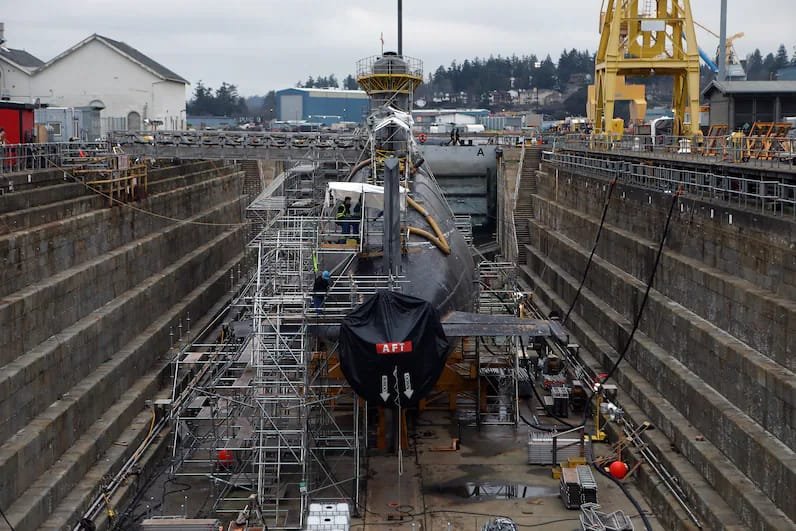
For decades, Canada has treated defence procurement as a bureaucratic exercise rather than a pillar of sovereignty. Contracts were debated, delayed, outsourced, and often exported to foreign manufacturers in the name of cost efficiency and alliance politics. Now, Ottawa’s renewed emphasis on domestic defence production signals something far more consequential than industrial policy—it is a declaration that sovereignty cannot be subcontracted.
The “Build at Home” approach is not economic nationalism for its own sake. It is a recognition that in an era defined by supply chain disruptions, geopolitical rivalry, and accelerating technological warfare, dependence equals vulnerability. If Canada is serious about reclaiming strategic autonomy and restoring military readiness, rebuilding domestic defence capacity is not optional—it is foundational.

Sovereignty Is More Than a Flag
True sovereignty is the ability to act without waiting for permission—or parts. When Canada relies heavily on foreign suppliers for aircraft components, munitions, naval systems, or advanced electronics, its operational readiness becomes tethered to external political decisions and logistical bottlenecks.
The war in Ukraine exposed this reality globally. Western nations scrambled to replenish ammunition stockpiles, only to discover that domestic production lines had been hollowed out in favor of lean, peacetime efficiency. Canada was no exception. Rebuilding domestic manufacturing is not about isolating from allies like the NATO; it is about being a credible contributor within it.
An ally that cannot sustain itself cannot meaningfully sustain others.
Readiness Begins in the Factory
Military readiness is often measured in personnel strength, training cycles, and equipment counts. But readiness actually begins on factory floors. A modern armed force requires constant upgrades—software updates for combat systems, maintenance for naval vessels, replacement parts for armored vehicles, drone manufacturing capacity, cyber defence infrastructure.
Canada’s historical expertise proves that it can rise to this challenge. Companies such as Bombardier and CAE demonstrate that advanced aerospace and simulation technologies can thrive domestically. During the Second World War, Canada transformed into one of the world’s largest aircraft producers in a matter of years. Industrial mobilization is not foreign to our national DNA.
The difference today is that defence production is as much about microchips and AI systems as it is about steel and rivets. Investing in domestic defence means investing in innovation ecosystems—cybersecurity firms, satellite manufacturers, AI labs, robotics startups. In other words, it is about securing the future economy while securing the nation.
Economic Multiplier, Not Military Excess
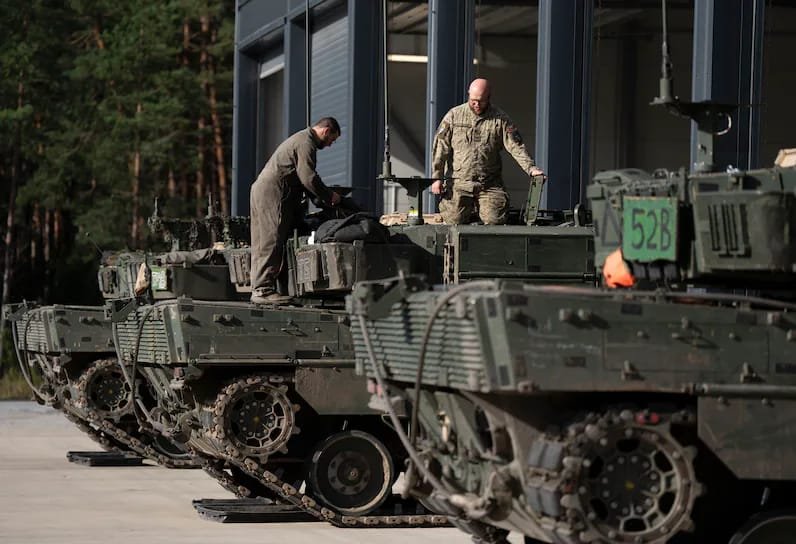
Critics argue that domestic defence manufacturing is expensive and risks protectionism. But this critique ignores the broader economic multiplier effect. Defence industries anchor high-skilled jobs, advanced research, and regional development. They stimulate STEM education, supply chain networks, and export potential.
Consider how defence innovation has historically spilled into civilian life: GPS, advanced materials, aerospace engineering breakthroughs. A robust domestic defence sector does not just build weapons; it builds capability.
Moreover, the cost of dependency can be far greater than the cost of domestic production. Supply chain disruptions during the COVID-19 pandemic revealed how fragile global logistics systems can be. If Canada could not reliably access basic medical supplies during a crisis, how can it assume uninterrupted access to critical defence components during geopolitical conflict?
Security is an insurance policy. You do not shop for it only when disaster strikes.
A Middle Power Must Act Like One
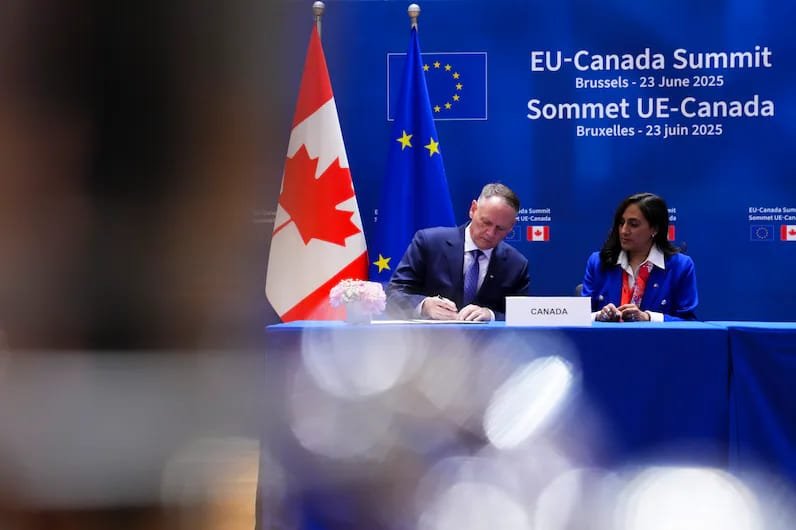
Canada often describes itself as a “middle power.” But middle powers do not coast on past reputations—they actively shape their strategic environment. Arctic security challenges, increasing great-power competition, and evolving cyber threats demand that Canada possess not only diplomatic voice but hard capability.
Domestic production strengthens leverage. When procurement dollars remain within national borders, they reinforce sovereign decision-making. They reduce vulnerability to political pressure. They signal seriousness to adversaries and credibility to allies.
At a time when global alliances are under strain and defence spending commitments are under scrutiny, Canada must prove that it is prepared to carry its weight—not symbolically, but materially.
The Risk of Half-Measures
However, Ottawa’s bet will fail if it remains incremental or politicized. Defence procurement in Canada has long been plagued by delays, cost overruns, and shifting priorities between governments. A domestic production strategy requires consistency across election cycles. It demands clear long-term procurement commitments, regulatory reform, and coordination between federal and provincial governments.
Half-measures will only inflate costs without delivering strategic independence. The “Build at Home” strategy must be paired with procurement reform, export facilitation, and targeted innovation funding.
Otherwise, it risks becoming another slogan in a long line of defence ambitions that never fully materialize.
Reclaiming Confidence Alongside Capacity
At its core, this policy shift is about confidence. For too long, Canada has operated as though serious defence manufacturing belonged elsewhere—primarily to larger allies. But sovereignty is not a population contest; it is a capability calculation.
Reasserting control over defence production does not diminish alliances—it strengthens them. It does not retreat from globalization—it recalibrates it. And it does not glorify militarization—it recognizes responsibility.
If Ottawa follows through with disciplined investment, industrial coordination, and strategic clarity, domestic defence production can become more than an economic initiative. It can be a statement: that Canada intends not only to defend itself, but to define its own strategic destiny.
That is not just smart policy. It is overdue realism.