
Citizenship Is No Longer Just Geography
The possibility that millions of Americans could claim Canadian citizenship by descent is more than a bureaucratic update—it reflects a deeper shift in how citizenship works in the 21st century. For generations, citizenship was tied primarily to geography: where you were born or where you lived. Today, ancestry is becoming an equally powerful gateway to national identity.
Countries like Canada are increasingly recognizing the enduring legal and cultural ties of diaspora communities. The idea that someone living in the United States might hold a legitimate claim to Canadian citizenship through parents or grandparents is not unusual. In fact, it reveals how modern migration has blurred the boundaries of nationality. Families have crossed borders for work, education, or opportunity for decades. Now the law is catching up to that reality.
Proof: The Gatekeeper of Opportunity
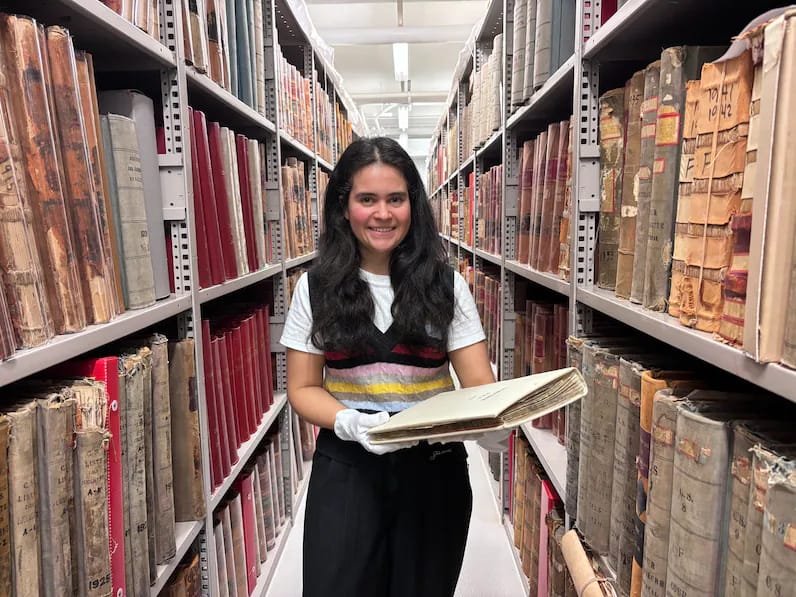
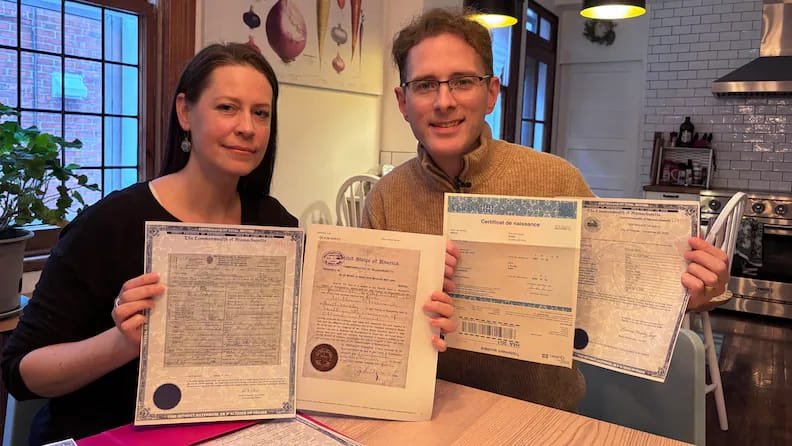
However, eligibility alone does not equal access. The real barrier lies in documentation. Governments do not operate on stories or family lore; they operate on proof. Birth certificates, immigration records, and lineage documents become the deciding factors between eligibility and rejection.
This requirement is not mere bureaucracy—it protects the integrity of citizenship systems. Without rigorous verification, citizenship by descent could easily become vulnerable to fraud or exploitation. Yet for many Americans, especially those whose families migrated generations ago, assembling these records can be difficult.
Consider families whose grandparents moved south during the early 20th century for work. Records may be incomplete, lost, or stored in different jurisdictions. The process often requires navigating provincial archives, federal databases, and historical registries. In other words, proving ancestry can be almost as complex as immigration itself.
Why Interest in Canadian Citizenship Is Growing
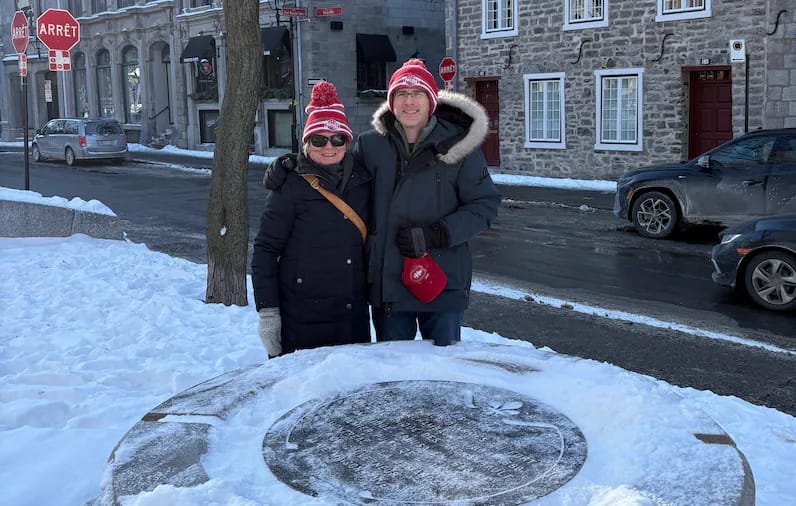
It is no coincidence that this topic is gaining attention now. Canada has built a global reputation for political stability, universal healthcare, and relatively balanced immigration policies. For many Americans, the possibility of Canadian citizenship represents more than a passport—it represents optionality.
Citizenship today is increasingly viewed as a form of security and mobility. A Canadian passport offers visa-free or visa-on-arrival access to a large portion of the world, while also granting the right to live and work in Canada indefinitely. In uncertain economic and political times, people naturally seek additional pathways that expand their freedom of movement and opportunity.
This is not unique to North America. Across Europe, countries such as Ireland, Italy, and Poland have long allowed millions of diaspora descendants to reclaim citizenship through ancestry. Canada’s framework simply places it within a broader global trend.
The Hidden Challenge of Genealogical Inequality
While the policy may appear straightforward, it reveals an uncomfortable truth: access to ancestral citizenship often depends on who has the privilege of documented history.
Families with well-preserved records—often middle- or upper-class families—can trace lineage more easily. Meanwhile, communities affected by displacement, poverty, or historical discrimination may struggle to produce documentation even when their ancestry is legitimate.
This creates what could be called genealogical inequality. The opportunity technically exists for millions, but only those who can navigate archives, legal paperwork, and administrative systems will actually benefit.
A New Era of Flexible National Identity
Ultimately, the growing relevance of citizenship by descent reflects a larger transformation in global identity. National belonging is becoming more flexible, layered, and transnational. A person can be culturally American, legally Canadian, and economically global all at once.
Rather than weakening national identity, this shift may actually strengthen it. Countries that maintain connections with their diaspora build networks of cultural influence, economic ties, and political goodwill around the world.
For Canada, allowing descendants to reclaim citizenship is not simply an act of generosity—it is a strategic investment in a global community that already shares historical roots with the country.

The Real Question: Who Will Actually Claim It?
The headline suggests millions of Americans may qualify, but the real number who will successfully claim citizenship will likely be far smaller. The process requires time, documentation, and persistence.
Still, the message is powerful: borders may define nations, but they do not erase ancestry. As governments adapt to a world shaped by migration and globalization, citizenship by descent will continue to grow in importance.
And for many Americans discovering Canadian roots, the question is no longer whether the door exists—it is whether they can gather the evidence needed to open it.
About the Author