







The killing of Mexican drug lord El Mencho: How it unfolded
Mexican army kills leader of powerful Jalisco New Generation Cartel during operation to capture him
The Mexican government’s dramatic operation to eliminate Nemesio Rubén Oseguera Cervantes, known as “El Mencho,” the elusive head of the Jalisco New Generation Cartel (CJNG) — one of the world’s most powerful criminal syndicates — marks a watershed moment in Mexico’s long struggle against narco-violence. But this high-risk gamble — to take him out rather than capture him — demands a brutally honest assessment: was it a strategic triumph, or a dangerous gamble with Mexico’s future?
Why Mexico’s “Kingpin Strategy” Was Inevitable — and Risky
For years, El Mencho evaded authorities with near-mythical precision, commanding vast drug trafficking and violent enforcement networks across Mexico’s 32 states and into the United States market. His cartel’s arsenal — including rocket launchers, armored vehicles, and drones — outgunned many local forces and embedded terror into everyday life.
Targeting him wasn’t just symbolic. The cartel was central to the production and distribution of fentanyl, a drug linked to thousands of deaths in the U.S. and beyond — which added pressure from Washington and arguably made inaction politically untenable.
Yet the decision to kill rather than capture El Mencho wasn’t just about tactical opportunity. It was a recalibration of policy — a calculated risk that the short-term disruption of the cartel’s leadership justified potential fallout. Historically, Mexico’s “kingpin strategy” has produced mixed results: decapitations of cartels often lead not to peace, but fragmentation and escalated violence.
The Immediate Aftermath: Chaos and Warning Signs
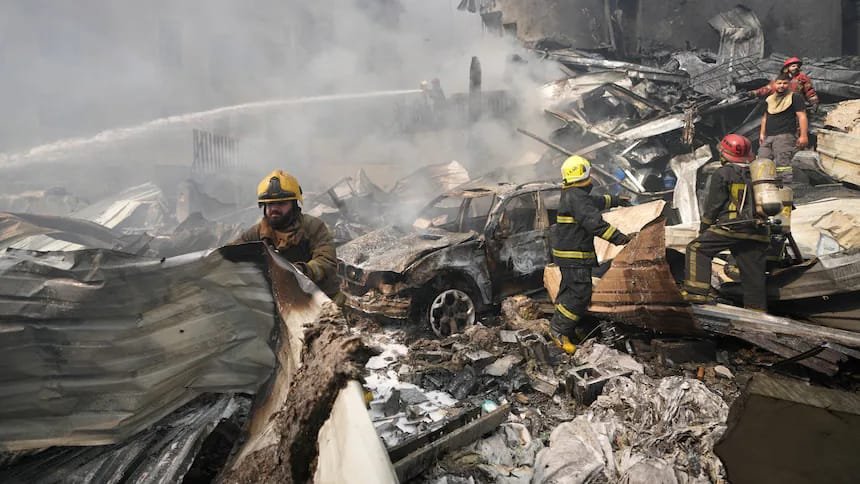
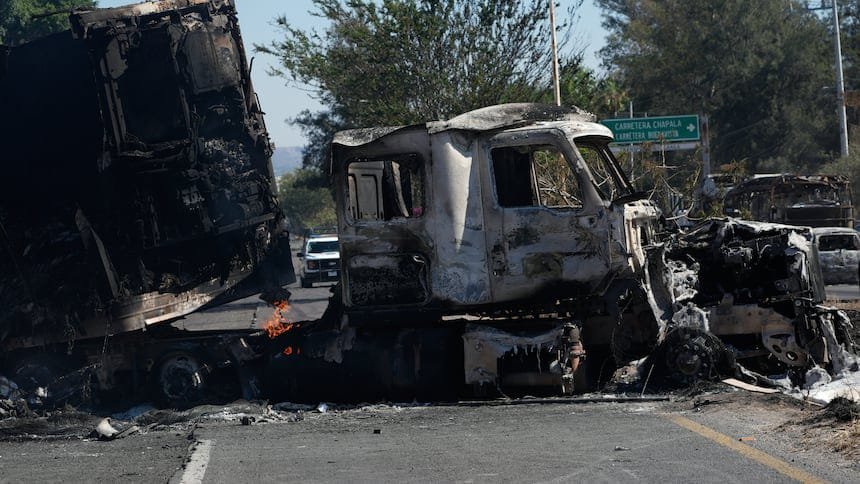
Within hours of his death at the hands of the Mexican army, coordinated retaliation erupted across the country. Roadblocks, arson, and violence flared in at least 20 states, underscoring the CJNG’s deep roots and capacity for organized retribution.
This is exactly the nightmare scenario critics predicted: remove the figurehead and unleash unpredictable forces. The CJNG was not a cult of personality alone — it was a sprawling network of mid-level bosses, regional commanders, and entrenched local affiliates. With El Mencho gone, the power vacuum risks igniting internecine battles and territorial wars far more chaotic than before.
Mexico’s leadership argues the country is stabilizing and that violence is subsiding — a hopeful assertion. But we cannot mistake temporary calm for structural success. Past cartel decapitations have bred short-term volatility followed by long-term transformation into even more diffuse criminal threats.

A Strategic Break — But At What Cost?
Proponents of the operation can reasonably argue:
El Mencho’s death removes an unparalleled criminal mastermind whose evasion and brutality made him a near-untouchable symbol of the government’s impotence.
The operation demonstrated Mexico’s evolving capabilities, including intelligence and operational coordination with the U.S. — a message to both cartels and international partners that Mexico is asserting force.
Immediate disruption of CJNG operations could buy time for broader reforms and law enforcement restructuring.
But the costs are profound and structural:
Violence spiked instead of being contained. The CJNG’s network did not disappear with its boss; it retaliated forcefully.
Cartel fragmentation typically yields more, not less, violence. Decentralized criminal entities are harder to negotiate with and harder to dismantle than one hierarchical organization.
Mexico now embraces a militarized approach that critics argue neglects socioeconomic roots of narcotics economies, from rural poverty to political corruption.

Real-World Relevance: Lessons Beyond Mexico
Mexico’s high-risk strike mirrors other global “decapitation” strategies — from counter-terrorism operations against ISIS leaders to extrajudicial strikes against organized crime bosses in other nations. These efforts share one lesson: removing a leader alone rarely solves an entrenched systemic problem. In Iraq and Afghanistan, Taliban and ISIS leadership losses often resulted in splinter factions harder to track and more radicalized. The same pattern now faces Mexico’s CJNG landscape.
Conclusion: A Bold Move — But Not the Endgame
Mexico’s operation against El Mencho is undeniably historic. It broke a decades-long impasse and showcased a willingness to confront nightmare scenarios most democracies avoid. But strategic audacity must be paired with structural caution. Without sustained efforts to strengthen civil institutions, uproot corruption, and offer nonviolent alternatives to the illicit economy, this operation risks becoming a brutal flint strike — sparking fires without furnishing the tools to control them.
In the final analysis, killing El Mencho was not the end of Mexico’s security struggle. It was a dramatic escalation — one that demands equally dramatic commitments to comprehensive reform, or else risks plunging Mexico into even more unpredictable conflict.