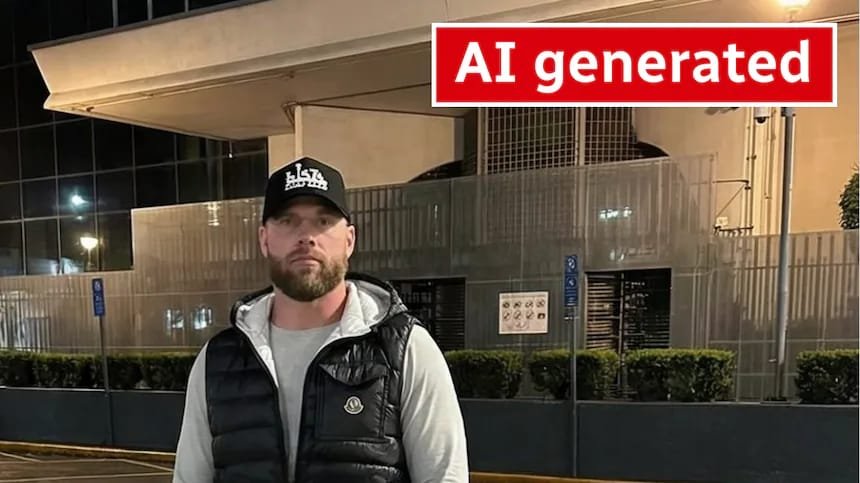
A Digital Shortcut With Real-World Consequences
When a sitting president shares an AI-generated image of a private individual—or even a public figure—the act is never neutral. It signals a willingness to trade verification for virality, nuance for narrative. The controversy surrounding the Mexican president’s decision to share an AI-generated image of Ryan Wedding isn’t about a single post; it’s about the erosion of standards at the very top of political power. Leaders don’t merely participate in the information ecosystem—they set its norms.
The Power Imbalance Problem
Presidents wield megaphones that ordinary citizens do not. When that power amplifies synthetic media, the imbalance becomes dangerous. An AI-generated image carries an implicit endorsement when shared by a head of state, regardless of disclaimers or intent. The subject of the image—here, Ryan Wedding—has little recourse against the perception created by a presidential post. In a world where images shape beliefs faster than facts, authority can turn probability into “truth” overnight.
Intent Doesn’t Cancel Impact
Defenders often argue intent: perhaps the image was symbolic, illustrative, or meant to provoke discussion. But intent is a weak shield against impact. AI images are persuasive precisely because they look real. Even when labeled, they travel farther and stick longer than clarifications. We’ve seen this play out globally—from deepfake videos muddying elections to AI-generated photos inciting outrage before corrections can catch up. Leaders should know better because the stakes are higher when they speak.
The Slippery Slope of “Just a Post”
Normalizing AI-generated imagery in political communication opens a slippery slope. Today it’s an illustrative image; tomorrow it’s a fabricated scene implying wrongdoing; next week it’s plausible deniability—“It was just AI.” Once the line blurs, accountability weakens. Democracies depend on a shared baseline of reality. Synthetic media, when used casually by leaders, chips away at that baseline until trust collapses under its own skepticism.
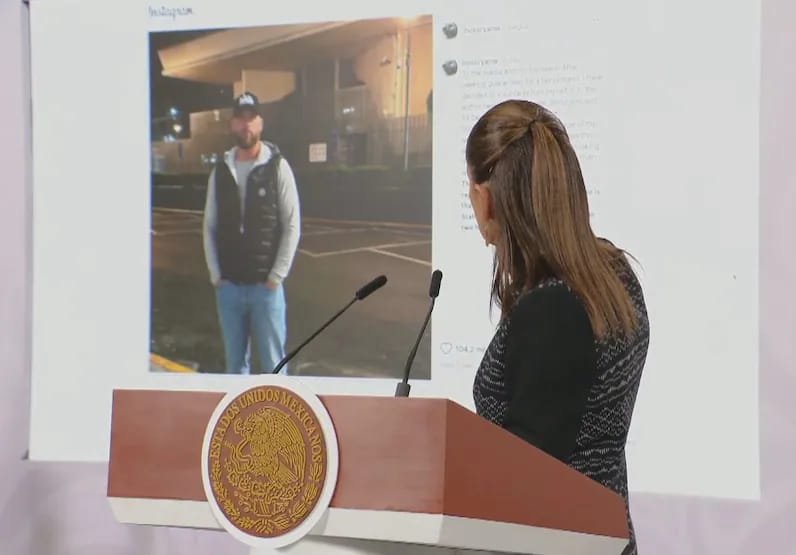
A Missed Opportunity for Leadership
Ironically, this controversy could have been a masterclass in responsible tech governance. Imagine a president using the moment to explain why AI images require strict labeling, restraint, and context—especially from officials. Instead, the choice to share first and explain later reinforces the worst habits of the attention economy. Leadership isn’t about keeping pace with platforms; it’s about setting guardrails for them.
Why This Matters Beyond Mexico
This isn’t a parochial issue. Governments everywhere are grappling with AI’s role in public life. What one president normalizes, others imitate. The precedent matters: if leaders treat synthetic media as fair game, citizens will too. And when everyone becomes their own propaganda machine, truth becomes optional—an accessory rather than a requirement.
The Standard We Should Demand
The bar for political communication must be higher than “it got clicks.” Leaders should commit to three principles: verification before amplification, context over spectacle, and restraint with synthetic media. AI can be a powerful tool for governance—analyzing data, improving services, expanding access. But using it to shape perception through imagery is a misuse of power, not an innovation.
Conclusion: Reality Is a Public Good
Reality isn’t just a philosophical concept; it’s a public good that requires stewardship. When a president shares an AI-generated image tied to a real person, they gamble with that good. The controversy should serve as a wake-up call: in the age of AI, credibility is the currency of leadership. Spend it recklessly, and the cost isn’t just political—it’s societal.
About the Author