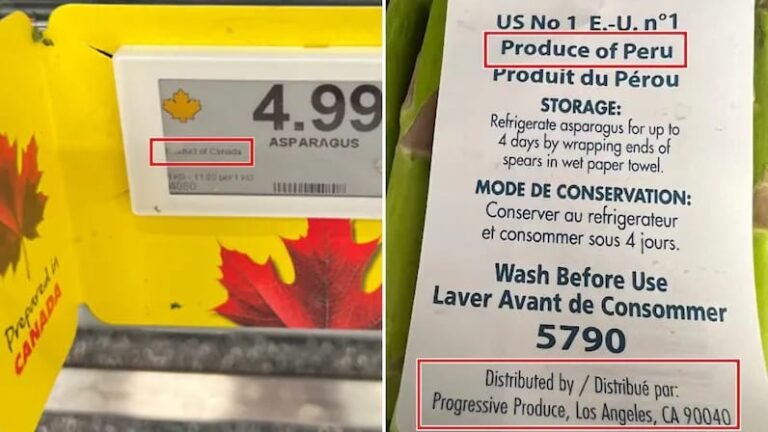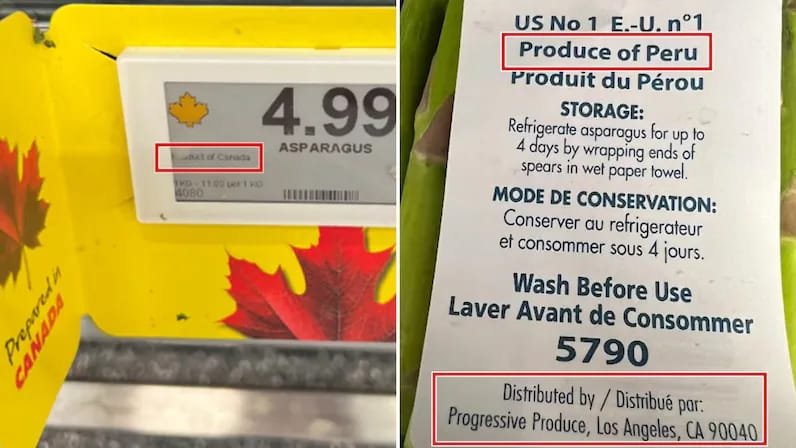
A $10,000 Lesson in Trust
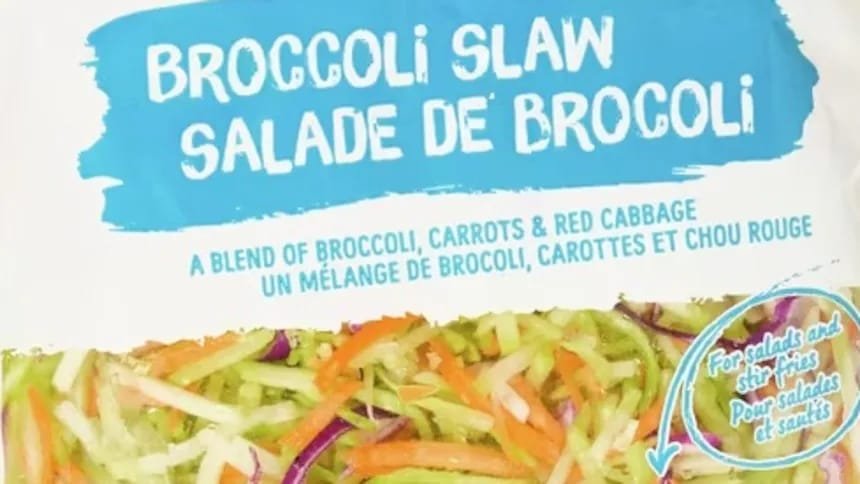
When Loblaw Companies Limited was fined $10,000 for promoting imported broccoli slaw as a “Product of Canada,” the number itself seemed almost trivial. For a grocery giant generating billions in annual revenue, $10,000 is a rounding error — less a punishment and more a parking ticket.
But this story isn’t about the money. It’s about trust.
In a country where consumers actively choose domestic goods to support farmers, reduce environmental impact, and strengthen food sovereignty, mislabeling imported produce strikes at something deeper than compliance. It undermines confidence in the entire “Buy Canadian” movement.
The Broccoli Slaw That Broke the Promise
It wasn’t luxury seafood or rare specialty imports. It was broccoli slaw — an everyday grocery item. And that’s precisely what makes this case significant.
Everyday items build everyday habits. When a staple product is falsely marketed as Canadian, the breach of trust becomes routine rather than rare. Consumers who carefully read labels, pay premium prices, and make deliberate purchasing decisions feel deceived — not because broccoli slaw is glamorous, but because it represents the principle.
If origin labels can’t be trusted on a simple produce mix, what else slips through?
The Real Cost Is Reputational
For a corporation like Loblaw, the reputational cost may far exceed $10,000. In today’s climate — where grocery pricing, food inflation, and corporate accountability are already under intense scrutiny — even small compliance failures amplify public skepticism.
Consumers increasingly see major grocers not just as retailers, but as gatekeepers of fairness in the food supply chain. When labeling rules are bent or loosely interpreted, it reinforces the perception that corporations operate under a different set of consequences than ordinary Canadians.
Trust, once eroded, doesn’t come back with a cheque.
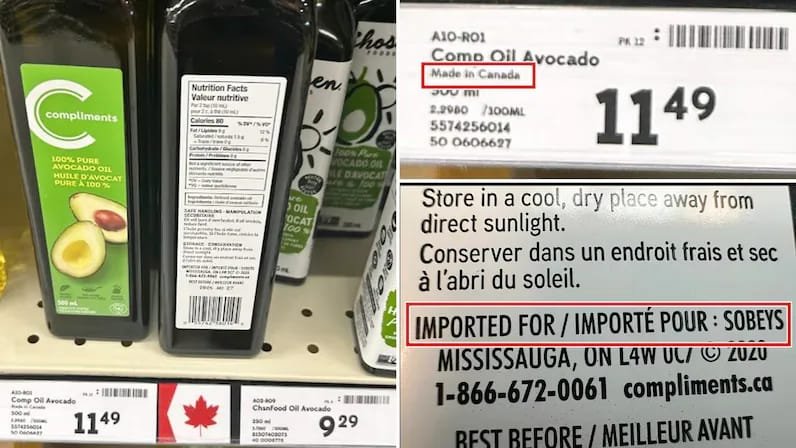
“Product of Canada” Is Not Just Marketing — It’s Meaning
Country-of-origin labeling is not decorative branding. It carries economic, environmental, and ethical weight.
When shoppers select Canadian products, they are often:
- Supporting domestic farmers and local supply chains
- Reducing transportation emissions
- Investing in national food security
- Responding to patriotic or community-driven values
A false claim short-circuits all of that intent. It turns a values-based purchase into an illusion.
And the damage doesn’t stop with one retailer. It risks weakening consumer faith in labeling standards altogether.
The Fine Feels Small — The Signal Must Be Big
Here’s the uncomfortable truth: a $10,000 fine does little to deter a multi-billion-dollar corporation. If penalties are not proportionate to scale, they risk being absorbed as operational costs rather than corrective signals.
Regulatory enforcement must reflect modern retail realities. When corporations operate at national scale, consequences must scale with them. Otherwise, compliance becomes optional math.
This is not about punishing success — it’s about preserving integrity in a system that millions rely on daily.
Accountability Should Be the Competitive Advantage
There is, however, a smarter path forward.
Instead of viewing this fine as an unfortunate headline, Loblaw could treat it as a turning point. Transparent corrective action, clearer sourcing disclosure, and proactive auditing of labeling practices could transform a mistake into a competitive advantage.
In an era where consumers are skeptical, the retailer that doubles down on accuracy wins long term.
The Broader Lesson for Canadian Retail
This case is not just about one grocery chain. It’s a reminder that the “Made in Canada” label is not marketing fluff — it’s economic infrastructure. It shapes purchasing behavior, supports rural livelihoods, and influences national resilience.
Broccoli slaw may seem small. But the principle is not.
If Canadian consumers are asked to pay more, shop consciously, and support domestic industry, the least corporations can do is ensure the label tells the truth.
Because in the grocery aisle — as in governance — credibility is everything.
About the Author