









This Was Not Just a Tragedy — It Was a Warning
The deaths of three junior hockey players in an Alberta crash have been widely described as “tragic,” a word so familiar in headlines that it risks dulling its meaning. But this was more than a heartbreaking accident. It was a warning—about how we move young athletes across vast distances, how casually we accept risk in the name of sport, and how quickly communities are expected to grieve and move on.
When young lives end on a highway, the story should not stop at condolences. It should force a reckoning.
Junior Hockey’s Hidden Reality: Long Roads and Quiet Risks
Junior hockey in Canada is built on relentless travel. Teenagers spend countless hours on highways, often late at night, often in harsh weather, often exhausted after games or practices. This reality is treated as normal—almost a rite of passage.
But normal does not mean acceptable.
We celebrate the toughness of junior players, their willingness to sacrifice comfort for opportunity. What we don’t question enough is why the system requires so much risk in the first place. When teams regularly travel hundreds of kilometres by road, the odds eventually catch up. This crash is not an anomaly; it is the most devastating outcome of a routine many have long worried about.
The Cost of Chasing the Dream
Junior hockey sells hope. For a small percentage, it leads to professional careers. For most, it builds character, friendships, and memories that last a lifetime. But the dream economy surrounding the sport often pressures players, families, and organizations to accept dangers they would never tolerate elsewhere.
If this were a school field trip, there would be inquiries, new regulations, and systemic change. In sport, we too often settle for memorial patches and moments of silence. Symbolism replaces reform.
Honouring these players means asking whether the structure of junior hockey truly protects those who give it everything.
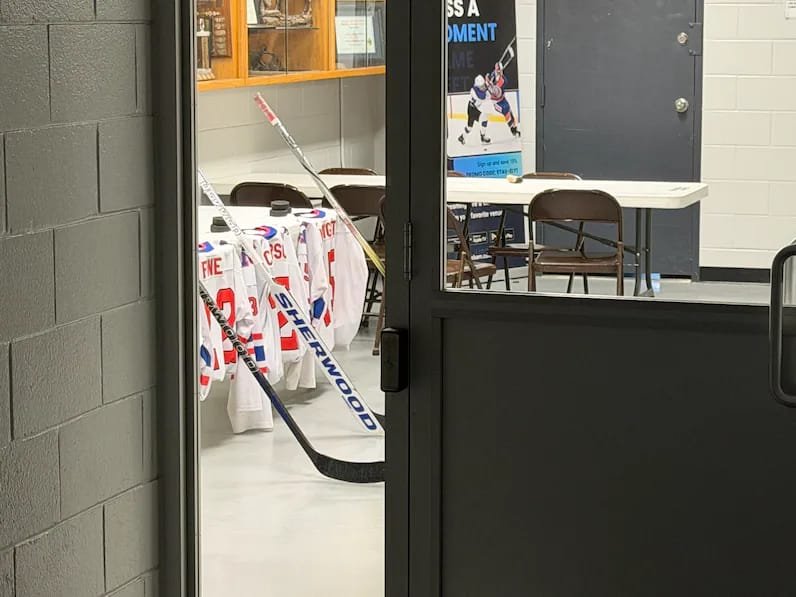
Communities Mourn, Systems Stay Silent
The outpouring of grief from teammates, fans, and towns across Alberta has been genuine and overwhelming. That speaks to hockey’s unique place in Canadian life. These players were not anonymous athletes—they were sons, friends, classmates, and local heroes.
Yet grief without accountability changes nothing.
Transportation standards, scheduling demands, rest requirements, and investment in safer travel options are not emotional topics—but they are necessary ones. Silence from governing bodies after tragedies sends an implicit message: this is the price of doing business.
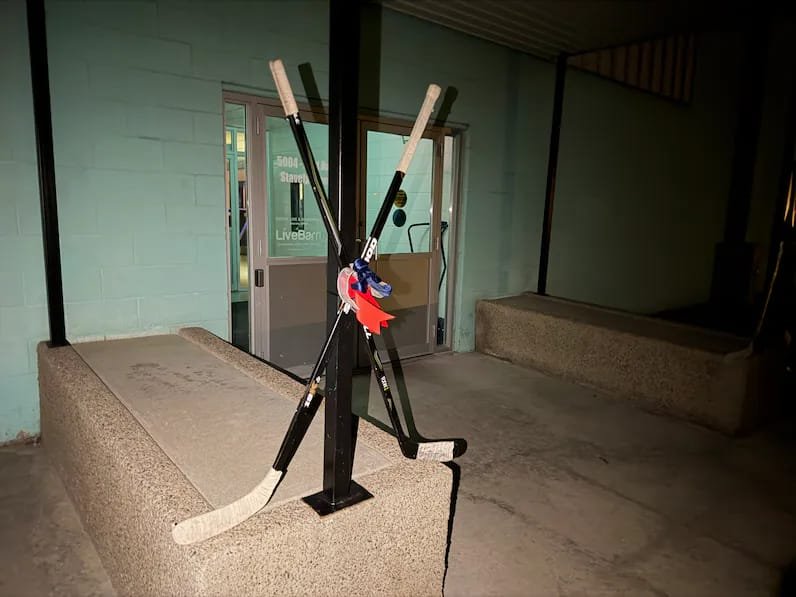
Remember Them by Refusing Complacency
The most uncomfortable truth is this: if nothing changes, this will happen again. Maybe not tomorrow, maybe not next season—but eventually. Highways do not care about potential, and neither does fatigue.
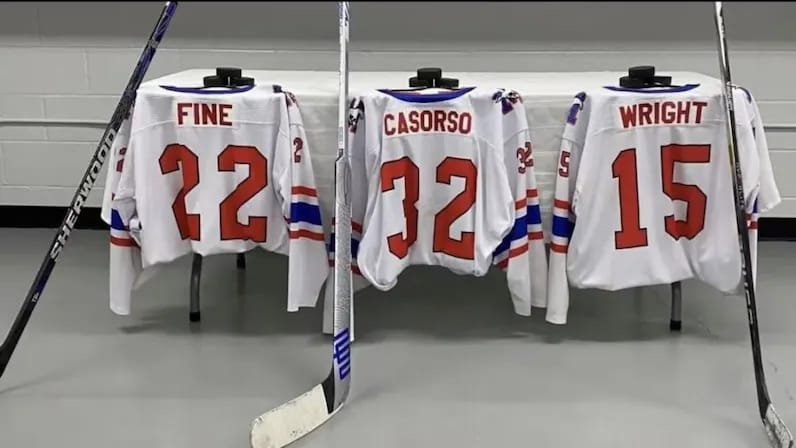
The lives lost in this crash mattered far beyond the rink. Remembering them should mean more than plaques and jersey numbers. It should mean courage—the courage to admit that tradition is not an excuse, that risk can be reduced, and that young athletes deserve better than “that’s just how it’s always been.”
Lives were cut short. The least we owe them is the resolve to ensure fewer are cut