






The Incident
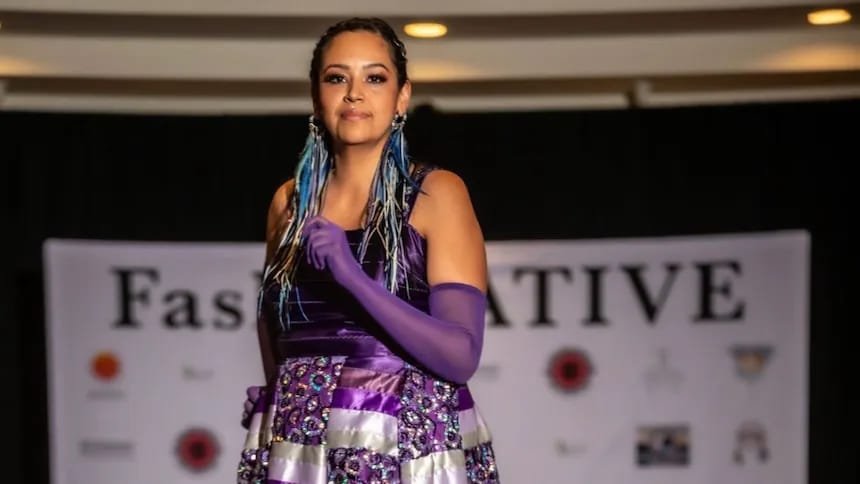
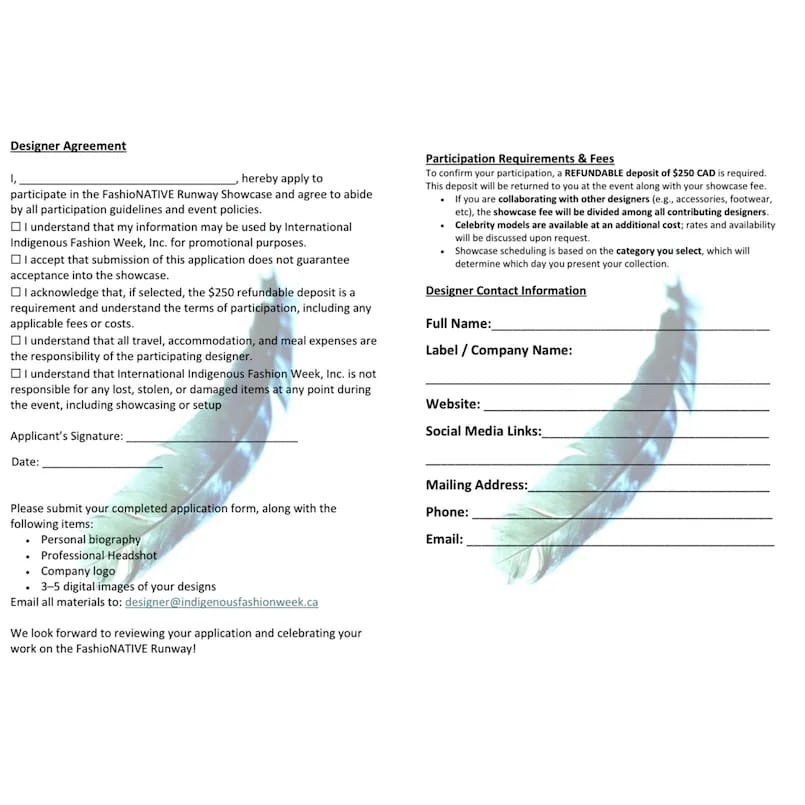
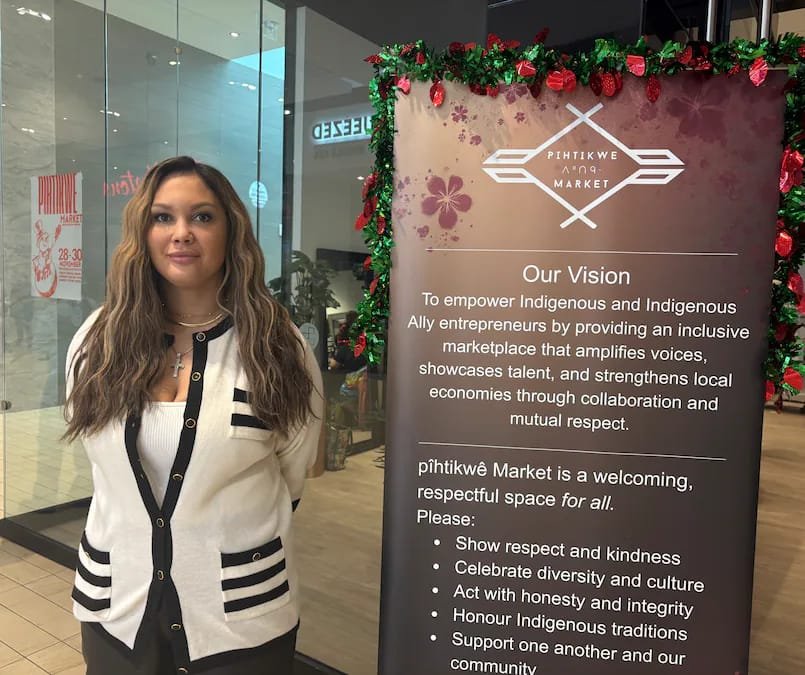
When dozens of Indigenous models and local vendors gathered for a highly publicized Saskatchewan fashion show earlier this year, many believed it would be a rare opportunity to showcase Indigenous artistry on a mainstream stage. Instead, the excitement that built around the event has since given way to frustration, disappointment, and a renewed conversation about how vulnerable communities are too often left carrying the emotional and financial weight of broken promises.
https://amarsonpost.com/why-beef-prices-are-surging-as-canada-faces-record-low-cattle-numbers/
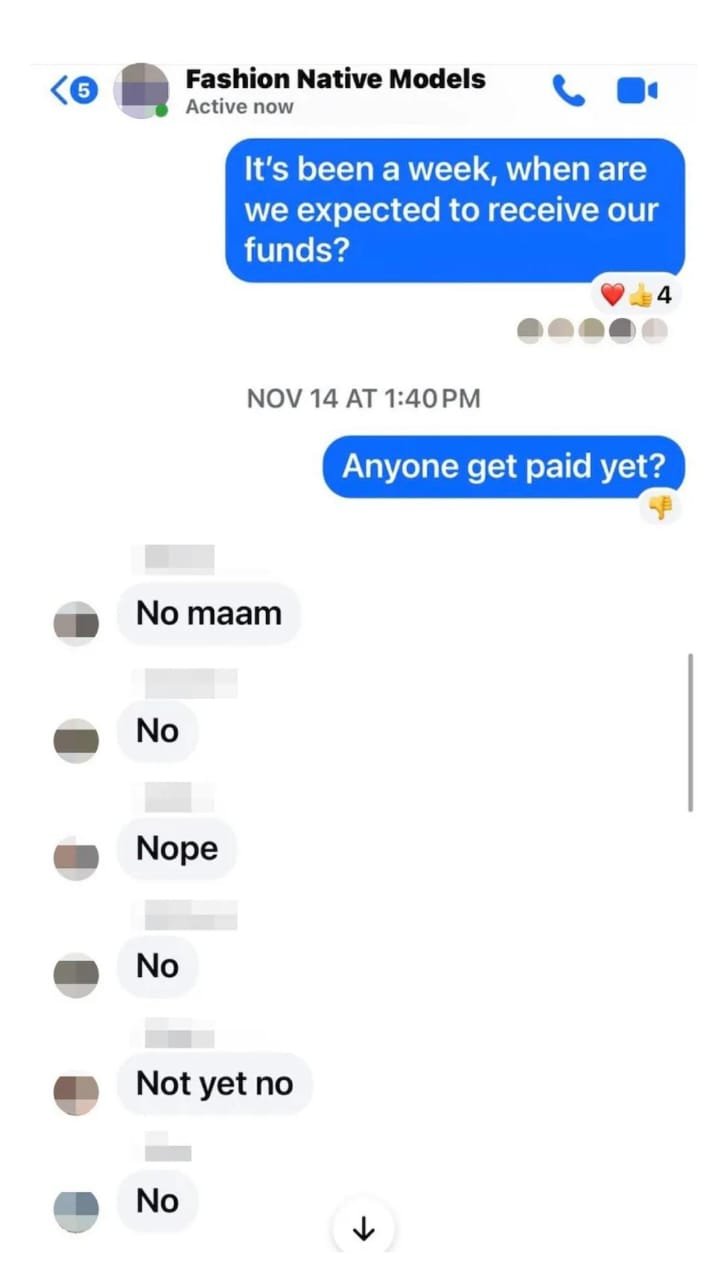
Multiple participants say they are still waiting to be paid for their work — some for modeling, others for selling handmade clothing, beadwork, and accessories at the show’s marketplace. For many, these were not side projects but sources of income that support families and affirm cultural identity. What was supposed to celebrate Indigenous creativity has now become a painful reminder of how easily trust can be tested.

Location & Context
The show was held in Saskatchewan, a province where Indigenous designers and artists have gained increasing visibility and recognition. Many creators travel long distances to participate in events like this, bringing not only their art but their families, often juggling child care, travel logistics, and the financial strain of preparing for a major showcase.
In some cases, models who live in high-rise apartments in Regina and Saskatoon described how participation in such events requires careful planning around their children’s routines and safety at home. These details, while peripheral to the event itself, highlight the interconnected pressures faced by families balancing cultural work, economic reality, and day-to-day responsibilities.
What Is Known So Far
Organizers have acknowledged that payments remain outstanding but have provided limited explanations. Some participants report receiving partial updates, others none at all. For small vendors, the unpaid amounts range widely but often represent months of preparation, material costs, and uncompensated labour.
For young Indigenous models — many of whom are working parents or caretakers — the unpaid wages represent more than a missing cheque. It is a breach of trust in an industry that has long struggled with inequity, representation, and fair compensation.
Several participants have begun sharing their stories publicly, hoping that visibility will bring accountability, if not resolution.
https://amarsonpost.com/a-historic-milestone-canadas-first-building-to-reach-100-storeys/
Broader Reflections
While the fashion show is a distinct incident, the emotional landscape surrounding it touches deeper issues in the community. Many parents involved describe how every decision — whether attending a workshop, traveling for a show, or leaving children at home in high-rise buildings — carries a layer of anxiety.
Child safety in high-rise living has become an increasingly discussed topic in Saskatchewan cities. Parents, already navigating economic pressures, are vigilant about window locks, balcony access, and the unpredictability of busy residential towers. That vigilance is part of why moments like this unpaid labour dispute hit harder: the families involved are already stretched thin, doing everything they can to keep their children safe, stable, and supported.
In that broader context, the unpaid work becomes not just a financial burden but an emotional one, echoing into households where parents are trying to model resilience and responsibility.
Community Reaction
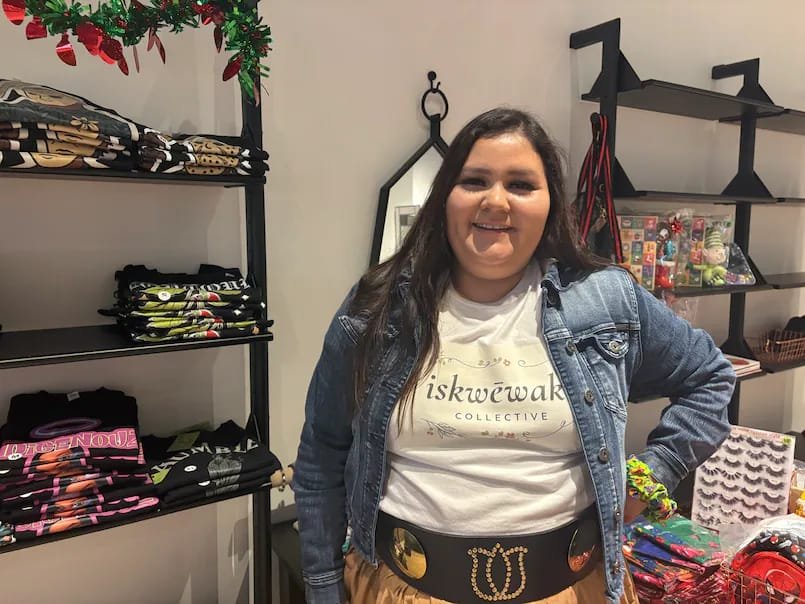
Indigenous artists, elders, and community leaders have responded with a mix of sadness and solidarity. Social-media posts and community statements emphasize not only the need for fair compensation but the importance of protecting those who are often the least protected — including children who feel the impact of financial stress even if they do not fully understand it.
Some local advocates have pointed out that when parents are forced to take on additional shifts, extra gigs, or last-minute travel to make up for unpaid labour, it can affect child-care arrangements and routines — particularly in high-rise settings where neighbors may not know each other well and safety can depend on constant awareness.
The emotional tone across the community is one of collective disappointment but also collective resolve. Indigenous artists are calling for better systems, clearer contracts, and more transparent organizational leadership in any event that uses their names, faces, or cultural expression.
The Road Ahead
Several participants are considering formal next steps, from organizing as a group to seeking legal guidance. Others are simply asking for communication — an acknowledgement that their work mattered and that their time and cultural labour deserve respect.
Beyond the immediate dispute, the incident has opened a larger conversation about how communities can support one another, whether through advocating for fair artistic compensation or ensuring safer living environments for children in urban high-rise buildings. Both reflect the same underlying principle: that everyone deserves safety, dignity, and care.
Reflection
This episode, painful as it is, reminds us that vigilance and compassion are everyday responsibilities. Whether safeguarding children at home or protecting the labour and creativity of Indigenous artists, the measure of a community is how it responds when trust is strained. In moments like these, empathy becomes not just a feeling but a practice — one that calls us to look out for one another, speak up for fairness, and ensure that no one is left carrying the burden alone.