







By SONAM RANA
A Growing Crisis in Dental Health Access
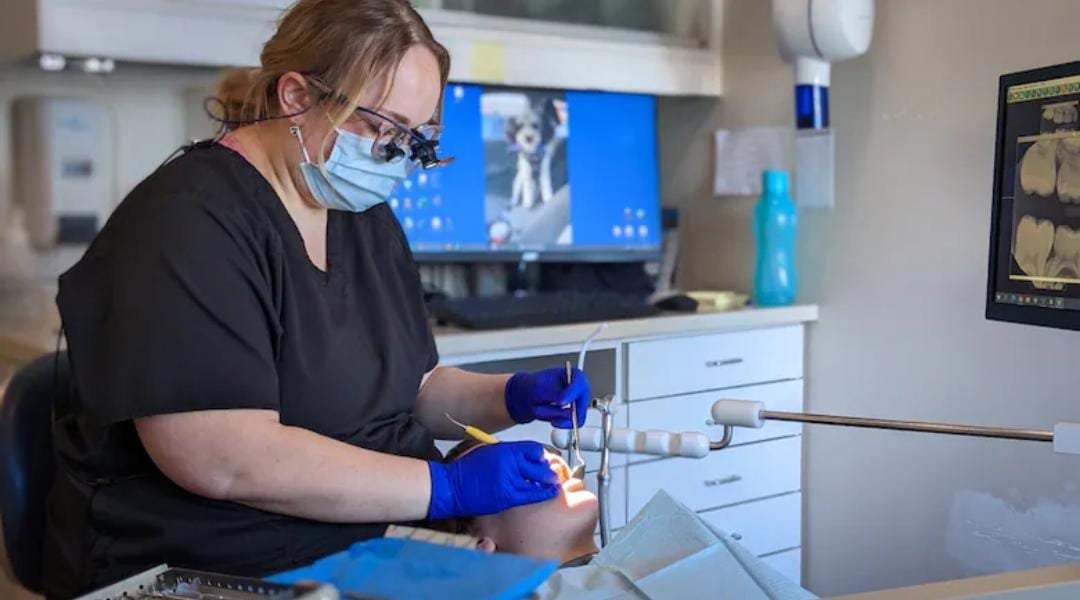
An alarming number of patients are being denied approval for complex dental procedures under the national insurance plan, with recent figures indicating that nearly 50% of such requests are being rejected. This growing trend has sparked widespread concern among dental professionals, health advocates, and patients alike, as it threatens to undermine access to essential oral healthcare—particularly for low- and middle-income individuals.
https://amarsonpost.com/mark-carney-reveals-trump-has-abandoned-talk-of-annexing-canada/
What Qualifies as “Complex Dental Work”?
Complex dental work typically includes treatments such as:
- Root canals
- Crowns and bridges
- Dental implants
- Orthodontic treatments
- Full or partial dentures
- Oral surgeries
These are procedures that go beyond routine check-ups or cleanings and are often necessary to preserve oral function, prevent systemic infection, and improve overall quality of life. Unfortunately, these are also the procedures most likely to face insurance scrutiny.
Why Are So Many Requests Being Denied?
There are several factors contributing to the high rejection rate:
1. Cost Containment Pressures:
Insurers operating under the national plan face pressure to keep healthcare spending down. As dental treatments can be expensive, there is a growing tendency to challenge or deny claims unless deemed absolutely necessary.
2. Stricter Medical Necessity Criteria:
Many insurers have tightened their definition of what qualifies as “medically necessary,” often dismissing treatments they consider to be cosmetic or optional—even when they are essential for function or pain relief.

3. Lack of Standardized Assessment:
There is no uniform national standard guiding how dental necessity is evaluated. This results in inconsistent decision-making, where similar cases may be approved in one region and denied in another.
4. Administrative and Documentation Gaps:
Some denials are attributed to missing documentation or inadequate diagnostic explanations from dental providers, especially for time-sensitive cases.

The Human Cost: Patients in Pain, Providers in Limbo
The impact of these rejections is not just bureaucratic—it’s deeply personal.
Many patients are left suffering from untreated dental issues, such as chronic infections, broken teeth, or impaired chewing ability. These problems can escalate, leading to malnutrition, severe pain, and even hospitalization due to systemic infections like sepsis.
Case Example:
Maria Thompson, a 58-year-old retiree, was denied coverage for a full-mouth reconstruction after losing several teeth due to gum disease. “They told me it wasn’t essential,” she said. “But how do you eat or smile without your teeth?”
Dental professionals, too, find themselves caught in a bind. Many report burnout and frustration from spending more time appealing insurance denials than treating patients.
Disparities in Access and Equity
The rejection trend disproportionately affects vulnerable populations:
Low-income families who rely entirely on public insurance are hit hardest, as they often lack the funds to pay out-of-pocket.
Elderly patients are often denied coverage for dentures or implants, despite these being crucial to maintaining nutrition and dignity.
https://amarsonpost.com/a-chilling-glimpse-into-modern-hybrid-warfare/
People with disabilities or chronic illnesses, who require specialized dental care, face added layers of rejection and red tape.
This further deepens existing healthcare inequities and undermines the national goal of providing universal, comprehensive care.

What Are Experts and Advocates Saying?
Public health experts warn that poor dental health is closely linked to systemic diseases, including diabetes, heart disease, and stroke. Denying necessary care today may mean higher medical costs and worse health outcomes tomorrow.
Dr. Linda Wu, a dental policy expert, notes:
“We’re creating a system where we treat a heart attack but not the tooth infection that may have caused it. That’s short-sighted and dangerous.”
Advocacy groups are now calling for:
- Transparent approval criteria
- Faster appeals processes
- Expanded coverage for restorative procedures
- National dental health oversight task forces
Government Response and Policy Outlook
In response to mounting criticism, the Health Ministry has pledged to review current dental policy guidelines under the national insurance scheme. While no legislative changes have yet been implemented, there are discussions around:
- Expanding preventive coverage to reduce long-term costs
- Piloting dental equity programs in underserved areas
- Digitizing the claims system to reduce bureaucratic delays
However, critics argue that reform efforts are moving too slowly to meet the urgency of the problem.

What Can Patients Do Right Now?
Until systemic reform occurs, patients are encouraged to:
- Get second opinions and detailed treatment justifications from dental professionals
- Appeal insurance denials through formal channels—many reversals are possible with the right documentation
- Contact local patient advocates or legal aid services for support
- Request itemized explanations from insurers about rejection reasons
A Call to Action: Reimagining Oral Health as Essential Health
The rejection of half of all complex dental treatment requests is not just a statistic—it’s a red flag for a healthcare system that fails to recognize oral health as essential to overall health.

To truly protect the well-being of its citizens, the national insurance plan must:
Treat dental care as a core medical need, not a luxury
Ensure equity in access regardless of income or age
Build systems that support both patients and providers, not pit them against red tape
Until then, millions will continue to suffer silently—one tooth at a time.