








The Incident
Earlier this month, a quiet Toronto high-rise was shaken by an incident that left families across the city pausing in the middle of their holiday preparations. A young child, momentarily unsupervised while a parent sorted through newly purchased holiday gifts, managed to access an unsecured balcony. Although the child was safely recovered after a neighbour intervened, the close call has become a sobering reminder of how quickly danger can arise in high-rise living—especially during the chaotic lead-up to the holidays.
The episode, while thankfully not ending in tragedy, struck a nerve. It happened at a moment when families are juggling festive excitement, crowded homes, open shopping bags, and distractions. It also underscored a deeper community conversation already unfolding this season: the growing emphasis on safety, quality, and trust—values many Canadians say they increasingly associate with buying local.
Location & Context
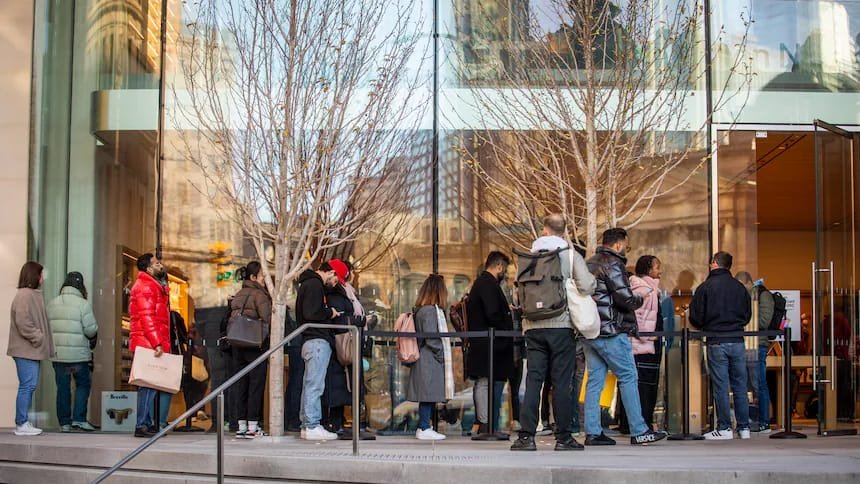
The high-rise sits in a densely populated neighbourhood in downtown Toronto, where families of all backgrounds share hallways, elevators, and the balancing act of raising children in vertical communities. During December, lobbies fill with wreaths, parcels pile up outside mailrooms, and parents rush between work, school pickups, and shopping for gifts—many of them wrapped in the red-and-white branding of Canadian makers.
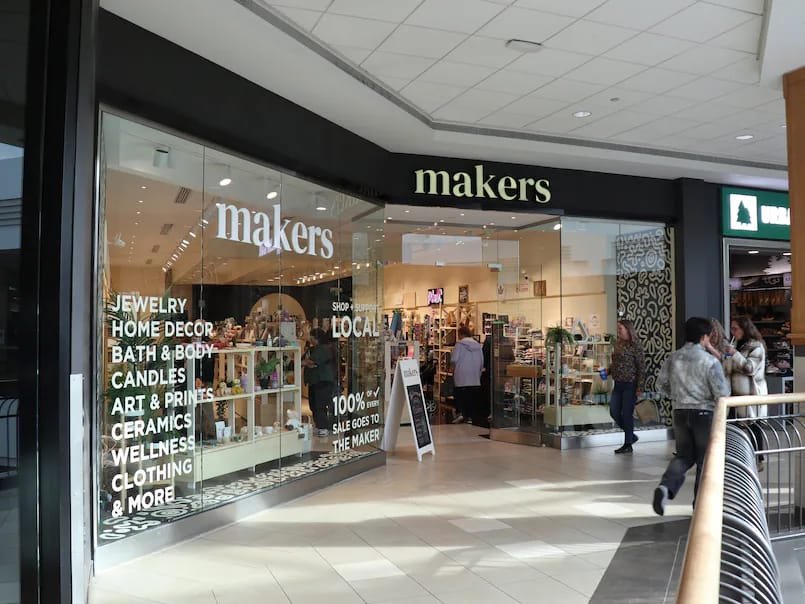
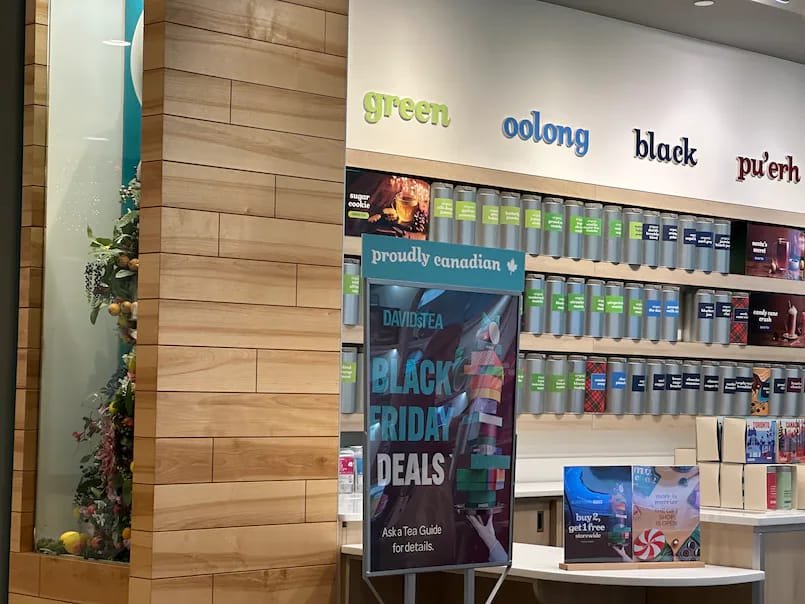
The push toward “buying Canadian” has been growing for years, but this season feels different. Local markets are drawing record attendance. Small-batch toy makers are selling out online. And across the city, products stamped Made in Canada seem to carry something more than origin—they’re carrying a sense of reassurance.
Yet, as this recent scare reminded residents, even trusted environments and quality products don’t diminish the need for constant attention to child safety, especially in homes built dozens of storeys above the ground.
What Is Known So Far
Authorities say the child’s caregiver was only a few feet away, sorting through holiday gifts bought from local vendors at a neighbourhood craft fair. A box left near the balcony door became an unintended step stool. The child climbed, reached the handle, and wandered into the cold December air.
A neighbour, returning from a late shift, noticed the open balcony and the small figure standing near the railing. Their quick action prevented what could have been a devastating outcome.
Officials emphasized that no structural issues or defective products played a role. Instead, it was an unfortunate alignment of seasonal distractions—packages, decorations, and a momentary lapse in supervision.
Broader Reflections
As more families commit to supporting Canadian makers—seeking out ethically sourced toys, sturdy winter gear, and sustainably crafted home goods—many parents say they trust local products because they feel connected to the people behind them. They know where items come from. They know who made them. And in a world of uncertainty, that sense of accountability offers comfort.
But safety experts warn that even the most well-crafted toys, furniture, or seasonal décor cannot replace environmental awareness, especially in high-rise settings. Doors, balconies, stacked boxes, loose cords, and furniture placement can become hazards faster than parents realize.
This year’s holiday-shopping conversation, unexpectedly, has expanded from supporting small businesses to acknowledging the practical realities of keeping children safe in dense urban homes.
Community Reaction
In the days after the incident, neighbours organized a small gathering in the building’s community room. Alongside conversations about where to find the best Canadian-made gifts, families shared tips on childproofing small spaces and managing the holiday clutter that accumulates so quickly.
Local makers, too, have chimed in. Several Toronto artisans have begun including safety reminders with their products—simple cards encouraging parents to secure items, store packaging immediately, and check sightlines around balconies and windows.
What began as a frightening moment has quietly evolved into a collective movement—one blending local pride, mutual support, and child protection.
The Road Ahead
City officials say they plan to work with property managers to amplify messaging about balcony safety, especially during holidays when routines are disrupted. Parent groups are circulating updated checklists tailored to high-rise living. And local businesses are highlighting not only the quality of their products but also the importance of safe home environments where those products will be used.
The momentum behind Canadian-made goods shows no sign of slowing. Yet this season has added an unexpected layer of meaning: the recognition that the warmth of holiday giving must always be paired with vigilance, particularly for the smallest members of our communities.
A Final Reflection
The near-miss in that downtown Toronto apartment is a reminder that amid the twinkling lights, wrapped gifts, and pride in supporting Canadian makers, the greatest responsibility we carry is the everyday protection of one another—especially our children. As families shop local, gather, and celebrate, the season’s true spirit may lie not only in what we give, but in the care, attention, and compassion we extend in the moments that matter most.

One thought on “From Local Makers to National Pride: Are Canadian Products Becoming the New Holiday Must-Haves”