









Introduction: A Catastrophe of Neglect and Accountability
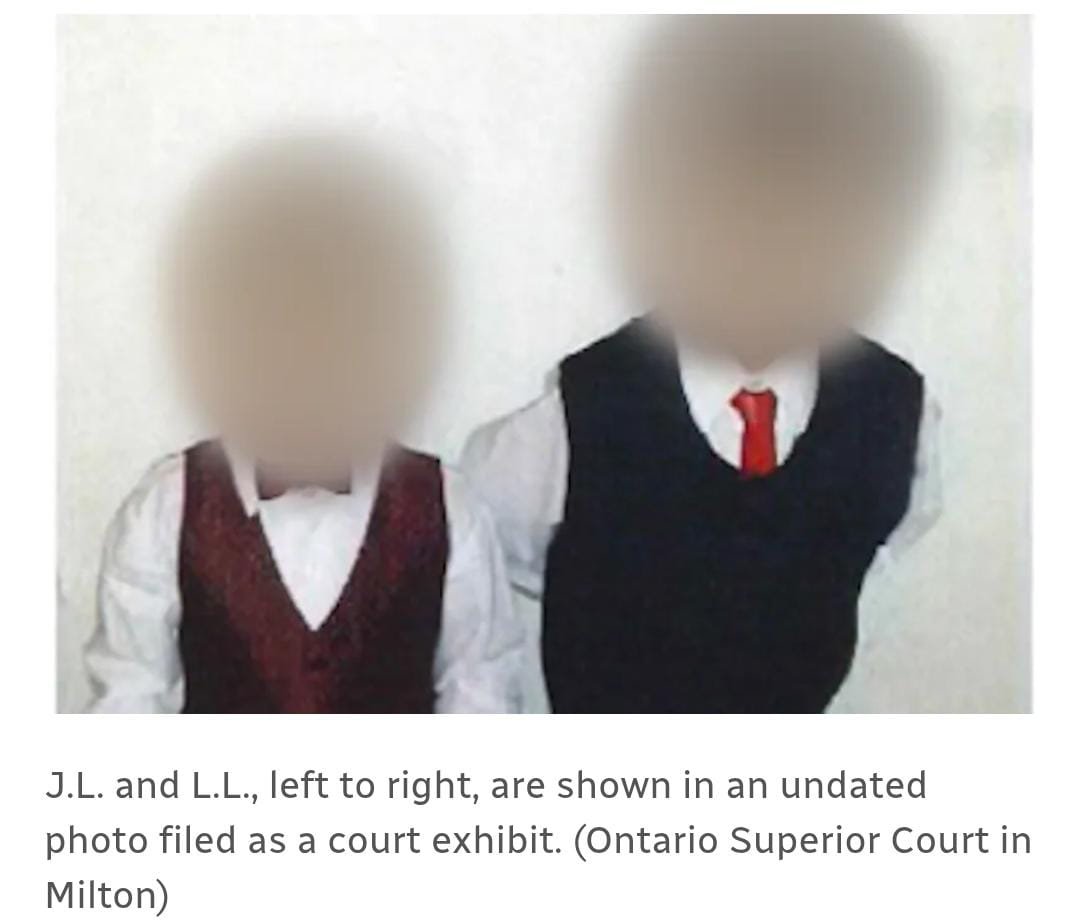
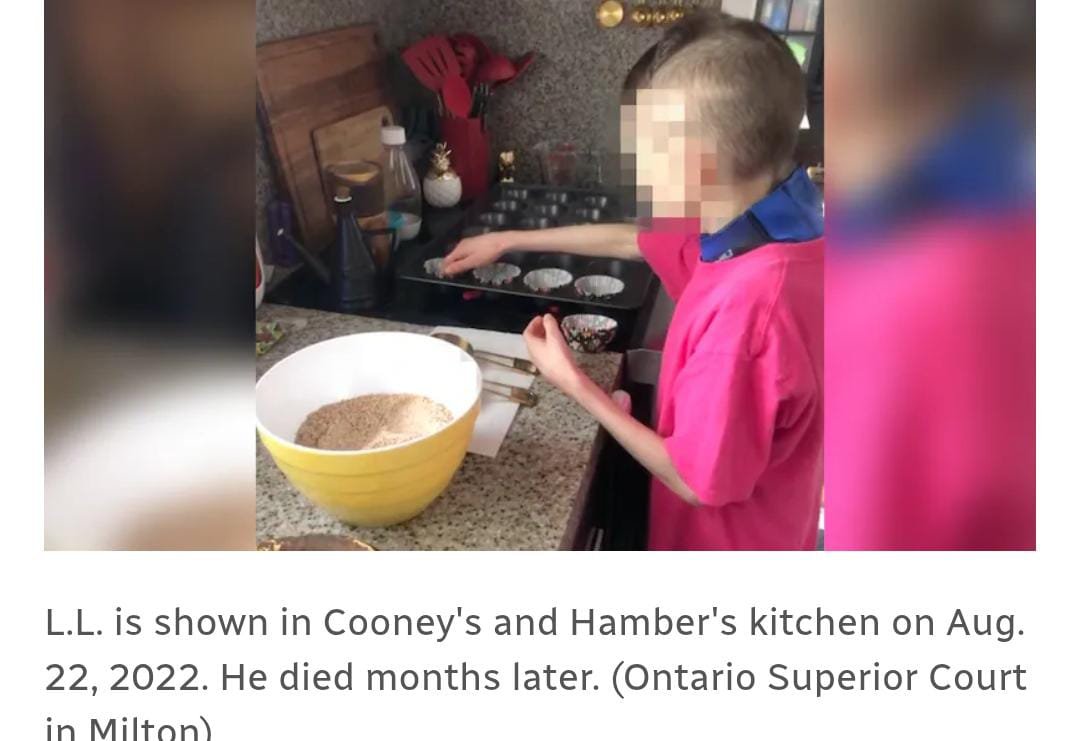
The harrowing allegations surrounding the deaths of two young Indigenous brothers call into question more than the culpability of two adults on trial for murder — they expose deep systemic failures in institutions charged with protecting children. In this case, civil claims seek $4 million from Ontario’s Halton and Ottawa Children’s Aid Societies (CAS), three doctors, and the couple accused of heinous abuse.
This is a story fundamentally about trust betrayed — trust that society places in child welfare agencies and healthcare professionals to safeguard children when families, for whatever reason, cannot.
I. Beyond Individuals: Institutional Accountability Matters
It is easy to focus solely on the monstrous acts allegedly carried out by Brandy Cooney and Becky Hamber, the Burlington couple on trial for first-degree murder and abuse. Their actions, if proven, are reprehensible and demand full legal consequences. But legal settlements and criminal convictions, while necessary, are not sufficient.
Placing these boys with caregivers should have triggered rigorous oversight — not the apparent silence that preceded L.L.’s death and the sustained trauma inflicted on J.L. A child’s welfare system exists precisely to prevent the abandonment, neglect, and harm that can occur within families or foster placements.
When the guardians of a child’s safety fail, the consequences are not abstract — they are literal loss of life.
II. Patterns of Oversight Failures Are Not New
The painful reality is that this case echoes other historical tragedies where child welfare systems failed catastrophically. Consider the infamous 2002 death of young Jeffrey Baldwin in Ontario — placed with relatives known to have troubling histories, his murder triggered major policy shifts and public outrage over child protection lapses.
The Baldwin case and the current lawsuit share a chilling common denominator: the system designed to protect children repeatedly failed to do so. In both instances, red flags were visible long before the worst unfolded.
What separates isolated horror stories from systemic problems is repeat occurrence. These tragedies should be warnings — not anomalies.
III. Structural Issues Undermine Child Protection Work
It would be a mistake to vilify every child protection worker or doctor involved. Many professionals within these systems are overwhelmed, under-resourced, and navigating impossible caseloads. Online accounts from social workers and those who have interacted with CAS illustrate burnout, inadequate investigation, and systemic indifference to nuanced needs — especially among Indigenous and marginalized families.
But structural dysfunction does not absolve responsibility.
When social workers repeatedly fail to intervene despite credible reports, or when doctors and agencies do not respond to warnings from teachers, therapists, police and family members, the problem is not merely “individual error.” It is a reflection of chronic under-investment in our social safety net.
IV. Justice Must Include System Reform
The $4 million lawsuit should be understood not just as compensation for immense suffering but as a catalyst for meaningful change. Civil litigation — like the notable jury verdicts in medical negligence cases elsewhere — can force institutions to confront lapses and adopt more robust safeguards.
But dollars alone are not enough.
We must demand:
- Transparent public inquiries into systemic failures.
- Better support and training for child protection workers.
- Clearer accountability mechanisms for agencies and professionals.
Cultural competence in placements, especially for Indigenous children, whose needs for stable, culturally rooted environments were legally mandated yet seemingly ignored.
Children’s welfare is not a bureaucratic checkbox — it is a moral imperative.
V. Conclusion: A Reckoning Beyond Courtroom Drama
The deaths and abuses in this case are horrifying on a human level. But they also shed light on a broader truth: our child protection systems are only as strong as our willingness to invest in them and hold them accountable.
We rightly expect courts to punish individual wrongdoing. But justice demands more — a holistic reevaluation of how we as a society protect the most vulnerable among us. Only then can the loss of these children serve as a turning point instead of another tragic footnote.


Need kèo ma cao 7m info? Honestly, give this website a look. It’s a pretty decent source of truth. See for yourself! Click here: kèo ma cao 7m