






The Incident
On the morning of January 5, the financial tickers blinked red across Canada. The capture of Venezuelan President Nicolás Maduro by U.S. forces — and the U.S. government’s move toward controlling that country’s vast oil reserves — sent shockwaves through global energy markets, lifting U.S. energy stocks and rattling Canadian oil equities. The TSX energy index plunged sharply as investors recalibrated expectations about Canada’s role in a changing energy landscape. The Canadian dollar weakened, weighed down by uncertainty. Markets were nervy and unsettled.
But for families living in Calgary’s high-rise apartment districts and Edmonton’s downtown towers, the market reaction was more than abstract numbers on a screen — it was a backdrop to a deepening sense of anxiety about safety, security, and what the future holds for their children.
Location & Context
In cities like Calgary — where oil and gas jobs are woven into the urban fabric and many families’ livelihoods depend on the energy sector — the market downturn hit close to home. Downtown condo living, once a symbol of urban aspiration, now feels fragile to some parents who see layoffs, stock dips, and economic uncertainty on the horizon.
For parents like Ravi and Meera Singh, whose two young children attend school in a 20-storey tower just steps from the Bow River, the financial news was not just about investors losing money. It amplified fears about job security, rent affordability, and the ability to maintain a safe, stable environment for their kids. In tight quarters and at dizzying heights, even small incidents — a late elevator, a loud noise on the fire escape — can feel threatening when economic stress looms.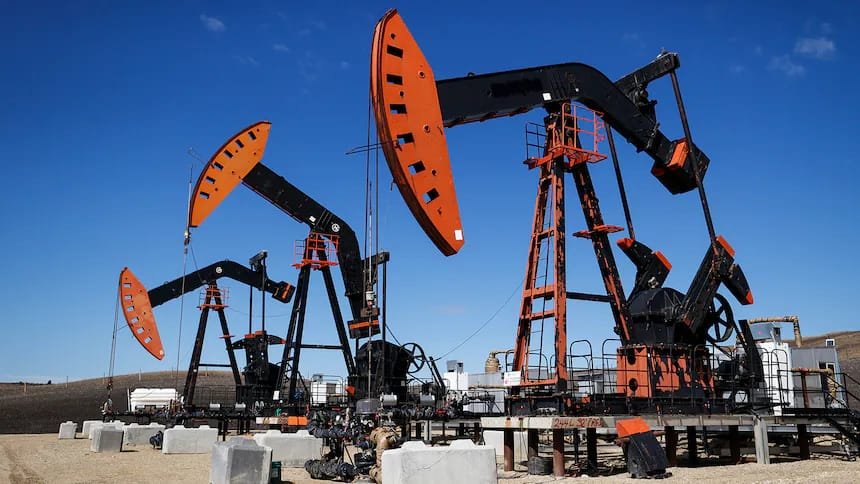
What Is Known So Far
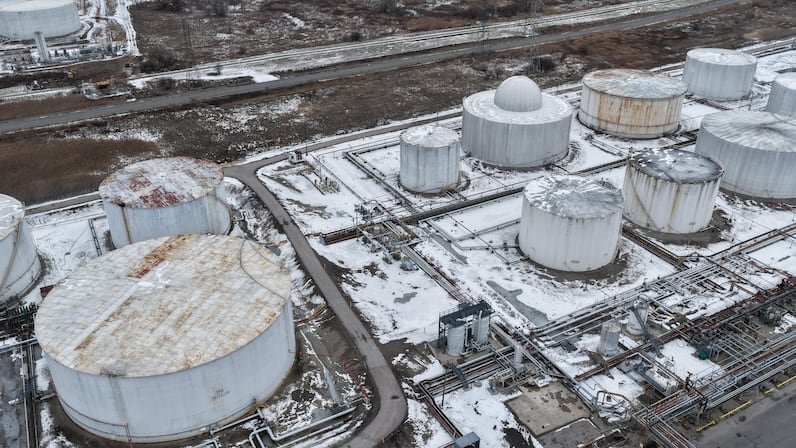
By midday trading, Canadian heavy oil producers such as Canadian Natural Resources Ltd. and Cenovus Energy Inc. had seen share prices fall significantly. Even integrated companies like Suncor and infrastructure firms like Enbridge were under pressure as markets assessed the potential competitive threat from revived Venezuelan oil exports and U.S. involvement.
Analysts cautioned that the long-term implications remain uncertain, and that Venezuelan infrastructure is still in disrepair after years of sanctions and neglect — meaning any actual competitive impact could take years to materialize.
But for residents in urban towers across Alberta, the numbers translate into real questions: Will my partner keep their job? Will we still be able to afford our rent? Is this high-rise safe if we have to tighten our belt?
Broader Reflections
The rumble in the markets has touched a nerve beyond financial portfolios. In high-density living spaces — where public areas, elevators, and playgrounds are shared — concerns about physical safety, community cohesion, and preparedness are resurfacing.
Parents who met at morning school drop-off began exchanging stories not just about stocks, but about the cracks in concrete, the creaking elevators, and the need for better safety drills in their buildings. One mother recounted how a child had once been locked alone in an elevator for nearly 20 minutes; another spoke of fear around fire escape maintenance. While the events are unrelated to markets, the feeling of instability has drawn them together.
“What we’re really talking about,” says childcare worker and community organizer Laura Chen, “is not just economic security, but a sense of safety that families need to feel in their homes. When the world starts to look unpredictable — whether it’s markets or geopolitics — these everyday fears get louder.”
Community Reaction
A small group of parents convened a community meeting in a Calgary condo common room. Some shared concerns about emergency preparedness in their building; others voiced anxiety about the stress that economic uncertainty is placing on their children.
“We keep seeing these headlines about market crashes and foreign interventions,” said Ayesha Patel, a parent of a six-year-old. “My daughter hears the tension in our voices. I want her to feel secure — that her home is safe, that we’re watching out for her, that nothing awful is going to happen unexpectedly.”
Local community boards have since begun circulating safety checklists for high-rise families: ensure working smoke detectors, establish a family evacuation plan, and take time to talk with children about what safety means and how to feel secure even when adults are stressed.
The Road Ahead
Economists are urging calm. They remind Canadians that Venezuelan production — though vast in reserves — currently accounts for a small share of global output and that rebuilding its oil sector will take years, not weeks. However, the emotional ripple effects are already here: in living rooms where parents check stock tickers before breakfast, and in hallways where neighbors now compare notes on elevator maintenance as much as they do on job prospects.
For the Singh family, it means having nightly conversations about big feelings, reassuring their children when the news seems overwhelming, and — importantly — slowing down long enough to practice what actual safety means in their home.
A Reflective Note
In a world where a headline about energy markets can unsettle investments, livelihoods, and the sense of future stability, the story ultimately circles back to a timeless truth: safety is not just built on concrete and steel, but on vigilance, communication, and compassion. Whether it’s preparing for an emergency in a high-rise or comforting a child awakened by anxiety over “economy trouble,” everyday vigilance — and human connection — matters most.