









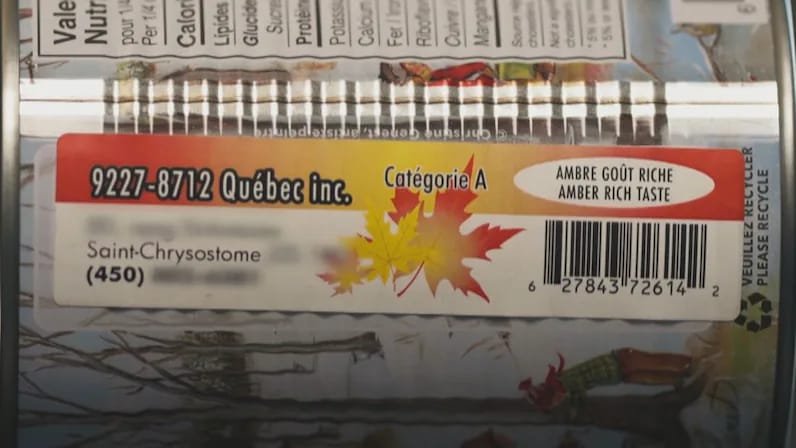
A Sweet Deception with Bitter Consequences
The discovery of counterfeit maple syrup linked to a Quebec producer appearing on grocery store shelves is not just a case of food fraud—it is a symptom of a deeper failure in supply chain accountability. Maple syrup is more than a commodity; it is a product rooted in tradition, geography, and trust. When that trust is violated, the damage extends far beyond a mislabeled bottle—it undermines consumer confidence in the entire food system.
This incident raises a critical question: how can a product so iconic and tightly associated with a specific region be so easily compromised? The answer lies in the growing complexity—and opacity—of global food distribution networks.
The Illusion of Authenticity
Consumers often associate maple syrup from Quebec with purity and quality. Labels, branding, and geographic identity create an illusion of authenticity that buyers rarely question. Counterfeiters exploit this trust by mimicking packaging and marketing cues, knowing that most shoppers lack the tools—or time—to verify what they are purchasing.
This is not unique to maple syrup. Similar patterns have emerged in industries ranging from olive oil to honey, where adulterated or fake products flood markets under the guise of premium origin. The lesson is clear: authenticity has become a marketing tool rather than a guaranteed standard.
A Failure of Oversight, Not Just Ethics
It is tempting to frame this issue as a simple case of unethical producers cutting corners. But that view ignores the systemic gaps that allow such fraud to flourish. Regulatory bodies, certification systems, and retail chains all play a role in ensuring product integrity. When counterfeit goods reach store shelves, it signals a breakdown at multiple levels.
Retailers, in particular, cannot escape responsibility. Large grocery chains have sophisticated procurement systems and auditing capabilities. If counterfeit maple syrup slips through, it suggests that cost efficiency and supply volume may be prioritized over rigorous verification. In a competitive market, the pressure to maintain low prices can quietly erode quality control standards.
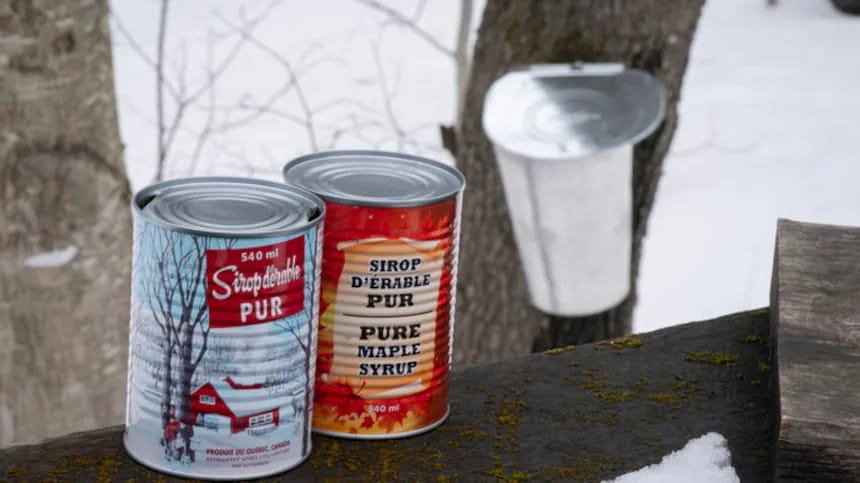
The Economic Ripple Effect
The consequences of counterfeit maple syrup extend beyond consumers. Legitimate producers—many of whom rely on seasonal yields and traditional methods—suffer direct financial harm. Their products are undercut by cheaper, fake alternatives that dilute the market value of genuine syrup.
This creates a dangerous cycle. As authentic producers face shrinking margins, they may be forced to scale production or cut costs, potentially compromising quality themselves. Over time, the very identity of the product risks being diluted, not just economically but culturally.
Trust Is the Real Commodity at Risk
At its core, this issue is about trust. Food is one of the most intimate consumer relationships—we ingest it, rely on it, and assume its safety and authenticity. When that trust is broken, the impact is psychological as much as economic.
Consumers who feel deceived may not just avoid a single brand; they may become skeptical of labels, certifications, and even entire categories of products. This erosion of trust is far more damaging than any single incident of fraud, as it destabilizes the credibility of the food industry as a whole.

A Call for Radical Transparency
The solution is not merely stricter regulation, but greater transparency. Technologies such as blockchain tracking, QR-based origin verification, and real-time supply chain audits are no longer futuristic—they are necessary. Consumers should be able to trace the journey of a product from source to shelf with minimal effort.
Moreover, accountability must be shared. Producers must ensure integrity at the source, regulators must enforce standards rigorously, and retailers must verify what they sell. Anything less is an invitation for fraud to thrive.

Conclusion: Beyond Maple Syrup
The counterfeit maple syrup scandal is not an isolated event—it is a warning. In an era where supply chains span continents and consumer trust is leveraged as a selling point, authenticity must be actively protected, not passively assumed.
If the industry fails to respond decisively, the next scandal will not just involve syrup—it will involve something far more critical. And by then, rebuilding trust may prove far more difficult than preserving it today.