








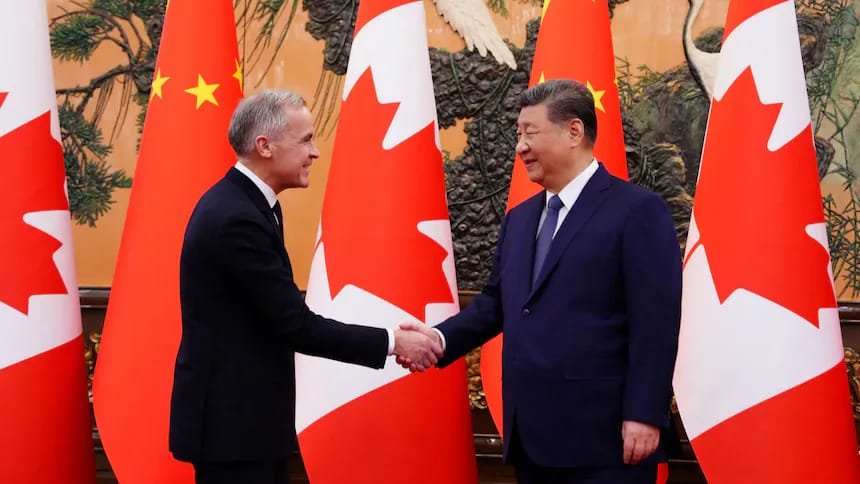
A Game-Changing Moment in Global Mobility and Diplomacy
China’s decision to grant 30-day visa-free entry to Canadian passport holders, effective February 17, 2026, isn’t just a travel convenience — it’s a strategic shift with profound implications for international relations, commerce, and cultural exchange.
Redefining Canada-China Relations Through Practical Mobility
For decades, travel between Canada and China — two nations with deep trade, education, and diaspora links — has required navigating complex visa procedures. Today’s change drastically lowers that barrier. Visa requirements weren’t merely bureaucratic hoops; they were symbolic of broader diplomatic caution. With this policy, China has signaled a willingness to deepen engagement with Canada through practical mobility, rather than abstract rhetoric.
This move aligns passport holders from Canada with citizens of roughly 50 other nations enjoying similar access, including much of Europe, Australia, and Japan — a list that now reflects a new global mobility hierarchy in which ease of access equals economic and diplomatic relevance.
Economic Logic: Business Without Borders
Visa-free travel isn’t an abstract perk — it delivers measurable economic value. Imagine a Canadian tech start-up closing a deal in Shanghai without first timing a visa appointment in Ottawa. Envision Canadian agricultural exporters discussing supply chain logistics in person rather than over glitchy video calls. The simplification of travel logistics reduces cost, accelerates deal-making, and fosters competition, particularly in sectors where face-to-face engagement still matters.
Chinese authorities themselves framed the move as one facilitating business, tourism, family visits, people-to-people exchanges, and transit — categories that cover the frontlines of economic interaction.
For Canadian businesses still navigating the Asia-Pacific market, this policy is not just a buzzworthy headline — it is a real-world facilitator of commerce.
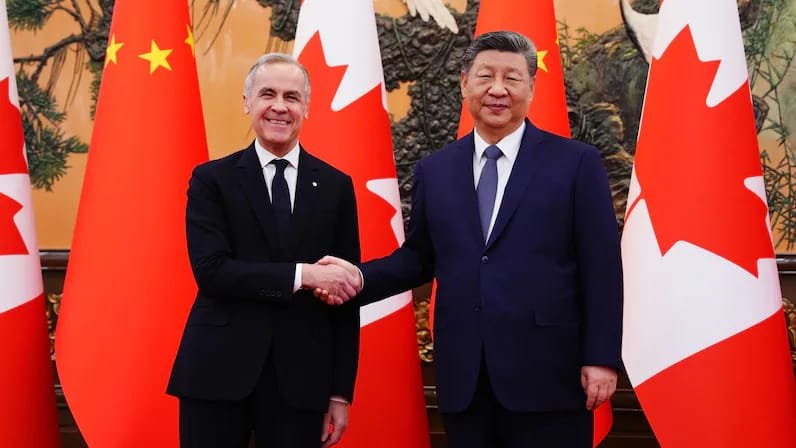
Beyond Diplomacy: People First
Economic logic aside, the liberalization has a human dimension that should not be underestimated. With an estimated two million Canadians of Chinese descent and growing cultural interconnectivity, the policy encourages family reunification, academic exchange, and tourism that bridges cultural understanding. It shifts the focus from state-level negotiation to individual choice and agency — a profound recalibration of international engagement at the citizen.
This is especially compelling at a time when global geopolitics often prioritizes competition over cooperation. Visa-free travel humanizes international relations, offering more than just economic utility — it offers people opportunities to literally see the world through each other’s eyes.
Strategic Timing: A Global Signal
China’s timing is not accidental. Announcing visa-free access at the dawn of a new Lunar New Year and amid expanding inbound travel initiatives underscores a strategic pivot to reinvigorated global tourism and connectivity after years of pandemic disruptions. Combined with broader visa-free arrangements, including for European countries and others, this new policy suggests that China sees openness as a competitive asset against rising travel markets in East Asia.
Almost equally telling is who’s excluded: as part of the Five Eyes intelligence alliance, the United States is still not on the visa-free roster. That fact alone highlights how visa policy doubles as geopolitical messaging — a reminder that mobility privileges increasingly reflect strategic relationships, not mere reciprocity.
Conclusion: A Bold Step Toward Seamless Global Engagement
The introduction of visa-free travel for Canadian passport holders to China is far more than a travel update. It is a logical, mutually beneficial policy that strengthens diplomatic ties, unlocks economic opportunity, and enriches cultural exchange. In a world where borders often symbolize division, this policy boldly redefines them as bridges for opportunity.
Canada and China may not see eye to eye on every geopolitical issue — and they never need to. But in recognizing the value of ease of movement, policymakers on both sides have taken a tangible step toward a more interconnected, dynamic global future.