A Signal of Changing Global Security Dynamics
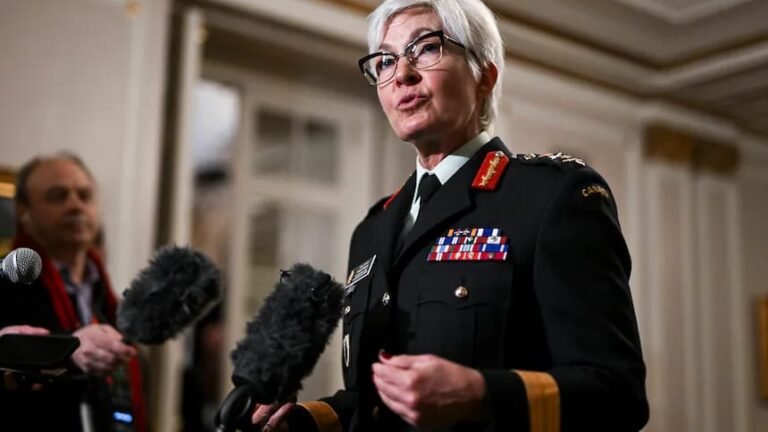
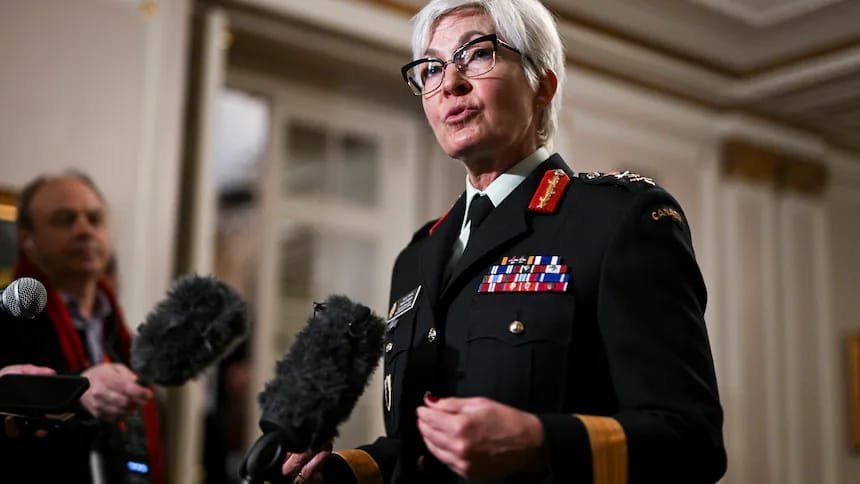
The suggestion that Canada could be called upon to help defend Gulf states is more than just a military observation—it is a reflection of shifting global security realities. For decades, the security architecture of the Gulf region has largely depended on the United States and a handful of Western allies. However, the evolving geopolitical landscape now demands broader participation from middle powers like Canada.
Canada has traditionally been viewed as a peacekeeping nation rather than a frontline military actor. Yet the world of 2026 is far more complex than the era when blue helmets symbolized international stability. Threats today are interconnected, ranging from regional conflicts and drone warfare to cyber threats and disruptions in global energy supply. In such an environment, Canada cannot afford to remain a distant observer.
Why the Gulf Region Matters to Canada
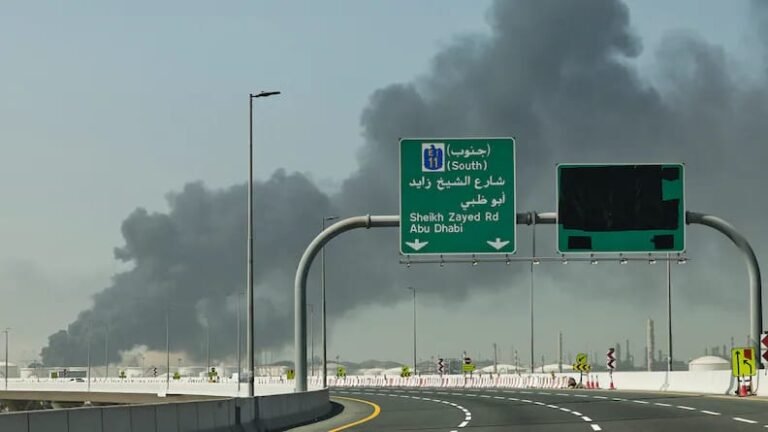
At first glance, the Gulf might appear geographically and politically distant from Canada’s immediate interests. But that perception is misleading. The Gulf region sits at the heart of global energy markets and international trade routes. Instability there has ripple effects across the world—including in Canada’s own economy.
Consider the implications of major disruptions in the Strait of Hormuz, through which roughly a fifth of the world’s oil supply passes. A conflict that threatens this corridor would spike global energy prices, disrupt markets, and ultimately affect Canadian industries and consumers. Security in the Gulf is therefore not simply a regional matter—it is part of a global economic equation that Canada benefits from maintaining.
Canada’s Role as a Credible Middle Power
Canada occupies a unique position in global politics. It is not perceived as an aggressive power, yet it possesses advanced military capabilities, strong diplomatic credibility, and close ties with NATO allies. This combination gives Canada a strategic advantage when participating in multinational security missions.
Canadian forces have proven their effectiveness in international operations—from Afghanistan to anti-ISIS missions in the Middle East. These experiences demonstrate that Canada can contribute meaningfully without necessarily leading large-scale military campaigns. Instead, Canada often excels in specialized roles such as intelligence sharing, training allied forces, maritime security, and technological support.
In the Gulf context, Canada’s involvement would likely follow this model. Rather than deploying massive combat forces, Canada could provide naval patrols, surveillance capabilities, and military advisors to strengthen regional defense frameworks.
The Strategic Case for Preventive Engagement
One of the most compelling arguments for Canada’s involvement in Gulf security is the principle of preventive engagement. Waiting for crises to escalate before acting has repeatedly proven costly in global politics. Early cooperation with regional partners can deter conflict, reduce tensions, and maintain stability.
For example, multinational naval coalitions already operate in the region to ensure freedom of navigation and prevent attacks on commercial shipping. Canada’s participation in such initiatives would not represent militarization but rather a commitment to safeguarding international trade and security norms.
By contributing early and constructively, Canada helps maintain stability while reinforcing international law—a principle that has long been central to its foreign policy.
Balancing Responsibility with Prudence
Despite the strategic logic, Canada must approach any involvement in the Gulf with careful consideration. Military engagement should never become automatic simply because allies request support. Clear objectives, transparent mandates, and strong diplomatic coordination are essential.
Canada’s strength lies not only in its military but also in its diplomatic influence. Any security role should therefore be paired with efforts to encourage dialogue, reduce regional tensions, and support long-term political solutions. Military support without diplomacy risks addressing symptoms rather than causes.
A Test of Canada’s Global Leadership
Ultimately, the possibility of Canada helping protect Gulf states raises a larger question about the country’s role in the world. As global power dynamics evolve, middle powers are increasingly expected to share responsibility for maintaining international stability.
Canada cannot simultaneously advocate for a rules-based international order while avoiding the commitments required to defend it. Participation in Gulf security, if carefully designed and internationally coordinated, would reflect a nation willing to translate its principles into action.
In a world where instability in one region can quickly affect the entire global system, Canada’s engagement is not merely about defending distant allies—it is about protecting the broader framework of security and cooperation that benefits Canadians themselves.
About the Author