






Trump’s Prime-Time Message
The Power of Declaring Victory Early
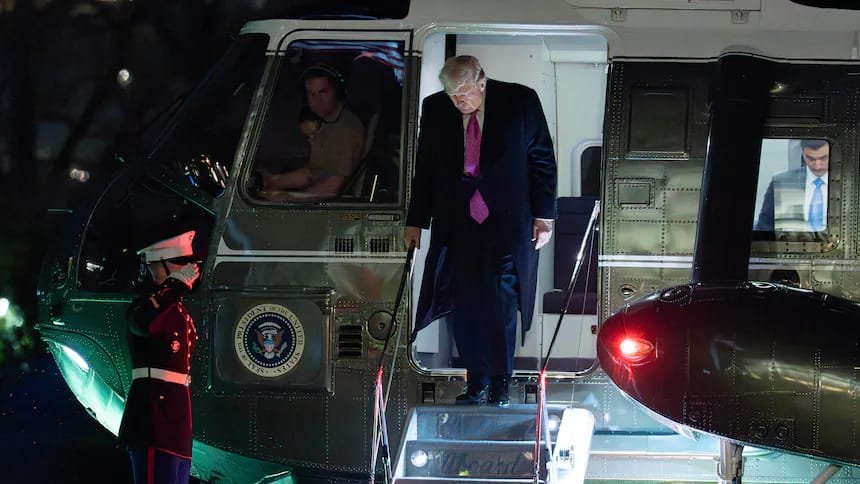
When Donald Trump stepped onto the prime-time stage to address the nation about the Iran conflict, the message was unmistakable: the war is nearing its end, and success is within reach. But history urges caution. Declaring victory before a conflict has fully stabilized is not a sign of resolution—it is often a strategic narrative choice.
Leaders have long understood that perception can shape reality. By framing a war as “almost over,” Trump attempts to shift public sentiment from anxiety to closure. Yet wars are not ended by speeches; they are concluded by concrete outcomes—ceasefires, political agreements, and lasting stability. None of these can be conjured through rhetoric alone.
Narrative vs. Ground Reality
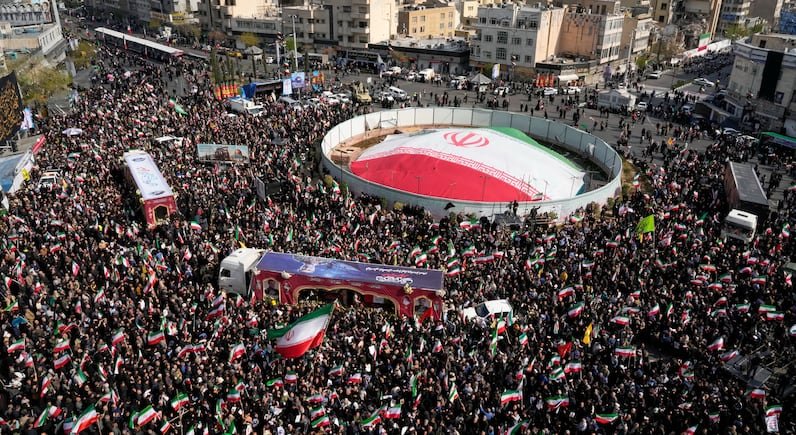
There is a growing disconnect between political messaging and battlefield complexity. Conflicts involving Iran are rarely linear; they are layered with proxy forces, regional alliances, and long-standing geopolitical tensions. Suggesting a near-end risks oversimplifying a deeply volatile situation.
Consider past conflicts where “mission accomplished” narratives emerged prematurely. Such declarations often masked unresolved tensions that later resurfaced, sometimes more violently. The concern here is not just optimism—it is the potential misalignment between public expectation and strategic reality.
If the war were truly nearing its end, we would expect clear indicators: reduced hostilities, diplomatic breakthroughs, or verified de-escalation. Without these, the claim functions more as a political instrument than an objective assessment.
The Politics of Prime-Time Messaging
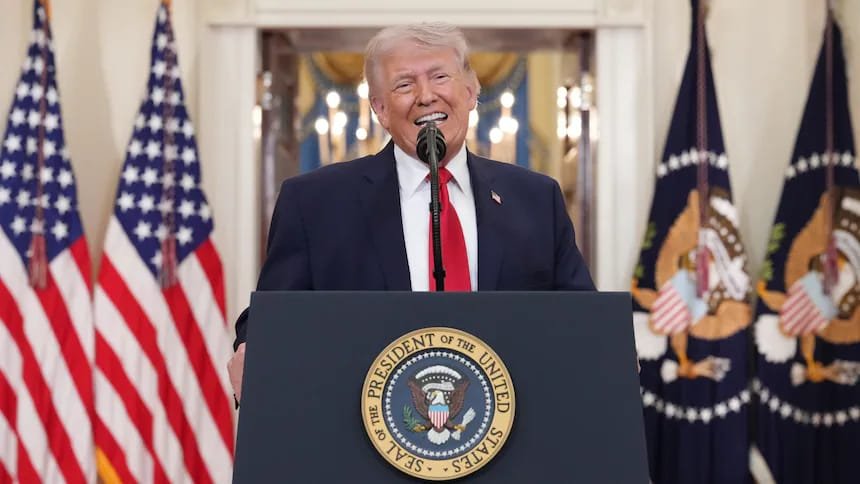
Prime-time addresses are not neutral updates—they are carefully staged moments of influence. Trump’s choice to speak directly to the public at such a high-visibility hour signals intent: to control the narrative before critics or unfolding events can.
This approach serves multiple purposes. It reassures domestic audiences, signals strength to international observers, and potentially pressures adversaries. However, it also narrows the space for nuance. Complex wars demand careful explanation, not simplified declarations designed for mass consumption.
The risk is that policy becomes secondary to presentation. When communication is optimized for impact rather than accuracy, it can distort both public understanding and policy direction.
Strategic Ambiguity or Strategic Advantage?
Supporters might argue that Trump’s messaging is a calculated move—projecting confidence to accelerate the end of the conflict. There is some merit to this. In international politics, perception can influence behavior. A strong narrative might deter escalation or push opponents toward negotiation.
But this strategy carries inherent danger. If the narrative overpromises and reality fails to align, credibility erodes. Both allies and adversaries begin to question the reliability of U.S. assessments. In global politics, credibility is currency—and once lost, it is difficult to regain.
Why This Matters Beyond Politics
This is not merely a debate about one speech; it reflects a broader pattern in modern leadership. In an era of instant communication and media saturation, leaders increasingly shape conflicts through messaging as much as through action.
For the public, this creates a critical responsibility: to distinguish between narrative and evidence. For policymakers, it raises the stakes—decisions influenced by premature narratives can lead to miscalculations with real human consequences.
The Iran conflict, like many before it, will not end in a single moment or declaration. It will end through sustained effort, negotiation, and structural change.
Conclusion: A Narrative in Search of Reality
Trump’s prime-time message is powerful, but power does not equal truth. Declaring that a war is nearing its end may serve political and psychological purposes, but it does not guarantee resolution.
The real question is not whether the war is ending—but whether the narrative is getting ahead of reality. Until actions on the ground align with words on the screen, skepticism remains not only justified, but necessary.