






The Incident
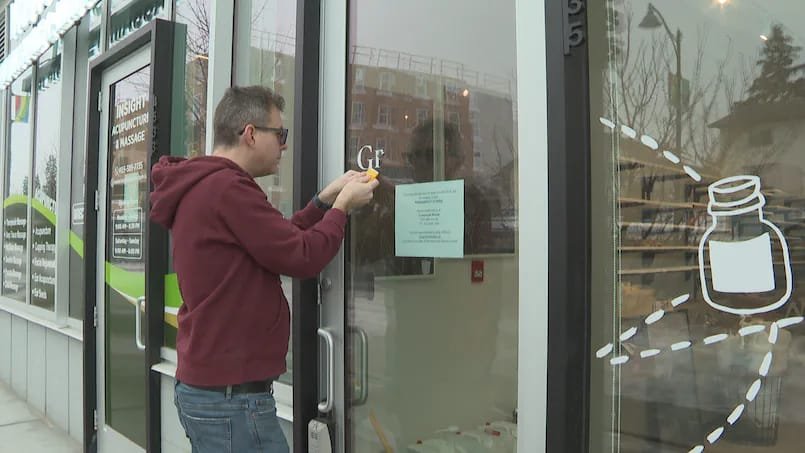
For many Calgarians, the sound of rushing water has become a source of dread rather than comfort. Early this week, that fear returned with force as another major water main failure sent thousands of litres cascading through streets and into buildings, disrupting daily life and reopening wounds that never fully healed. For business owners still recovering from last year’s catastrophic break, the rupture felt less like an accident and more like a cruel echo.
Inside affected buildings, alarms rang, lights flickered, and elevators stalled. Parents gathered children in their arms, unsure whether to stay put or rush down darkened stairwells. In moments like these, safety is not theoretical — it is immediate, visceral, and deeply personal.
Location & Context
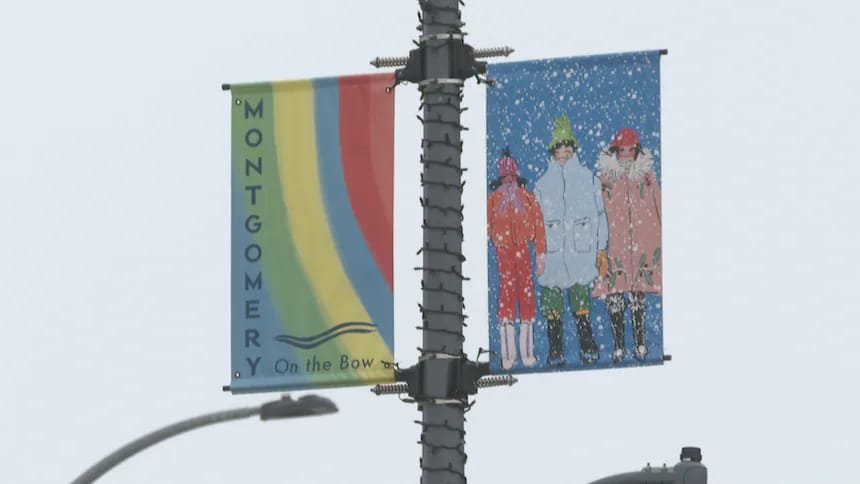
The break occurred in a dense inner-city corridor where commercial spaces share walls with high-rise residential towers. These mixed-use neighbourhoods are home to families, seniors, and newcomers who rely on vertical living for affordability and access to the city core.
This area had already endured a devastating water main disaster not long ago — one that shuttered shops, displaced residents, and strained emergency services. The return of similar destruction has reignited questions about aging infrastructure and the hidden risks of living and working above ground when essential systems fail.
What Is Known So Far
City crews responded quickly, isolating the damaged section and shutting off water to prevent further flooding. Engineers have described the rupture as significant, though the precise cause remains under investigation. Early assessments point to a combination of aging pipes and pressure stress, a familiar explanation that offers little comfort to those once again counting losses.
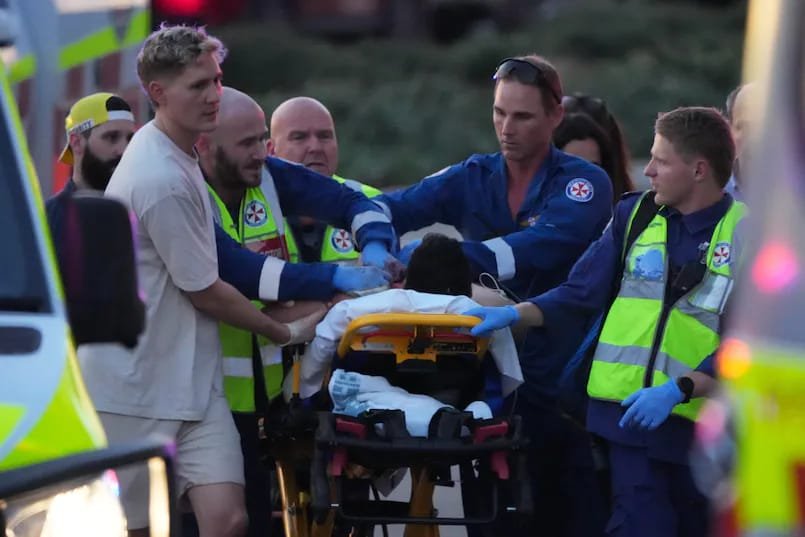
While no serious injuries have been confirmed, emergency responders report multiple evacuations, including families with young children carried through wet hallways and down emergency stairs. In high-rise settings, even a non-lethal incident can become dangerous in seconds — slippery floors, power outages, and limited exit routes turning routine living spaces into potential hazards.
Broader Reflections
Beyond the immediate damage lies a deeper unease. High-rise living is increasingly common in Canadian cities, and with it comes a reliance on complex systems most residents never see. When those systems fail, children are among the most vulnerable — dependent on adults to recognize danger quickly and act decisively.
This incident has renewed conversations about parental awareness: knowing evacuation routes, preparing children for emergencies without fear, and understanding building safety protocols. It is a reminder that safety planning is not alarmist; it is an act of care.
Community Reaction
The emotional response has been swift and heavy. Business owners spoke of exhaustion — financial, emotional, and psychological. Parents described sleepless nights, replaying the moment water began seeping under doors or pouring down stairwells. Neighbours checked on one another, offering spare rooms, dry clothes, and reassurance.
Social media filled with messages of solidarity and frustration. “We can rebuild,” one resident wrote, “but we shouldn’t have to relive the same nightmare twice.” The sense of community resilience is strong, but so is the fatigue of being resilient over and over again.
The Road Ahead
City officials have promised a thorough review and renewed investment in infrastructure, while affected residents and business owners brace for weeks — if not months — of recovery. Insurance claims will be filed, repairs scheduled, and routines slowly restored.
Yet the lasting impact may be less visible. Incidents like this leave behind a heightened awareness — parents holding children a little closer in elevator lobbies, neighbours exchanging emergency plans, business owners listening more carefully for unfamiliar sounds after closing time.
In the end, this painful repeat is more than a story about broken pipes. It is about the fragility of everyday safety, the responsibility we share to protect one another, and the quiet vigilance that turns compassion into action. In a city built upward as much as outward, looking out for each other — especially the youngest among us — remains the strongest foundation of all.