








The Incident
When the Robertson family walked into their usual grocery store in Calgary last week, they expected the familiar rhythm of a Saturday shop—fresh vegetables, school snacks, and the pack of lean ground beef that had anchored family dinners for years. Instead, they froze in front of the meat counter, stunned by a price tag that had climbed yet again. A single package now cost nearly double what they were paying just two years earlier. What felt like an inconvenience to some hit the Robertsons like a warning: something deeper was unfolding behind those numbers.
Location & Context
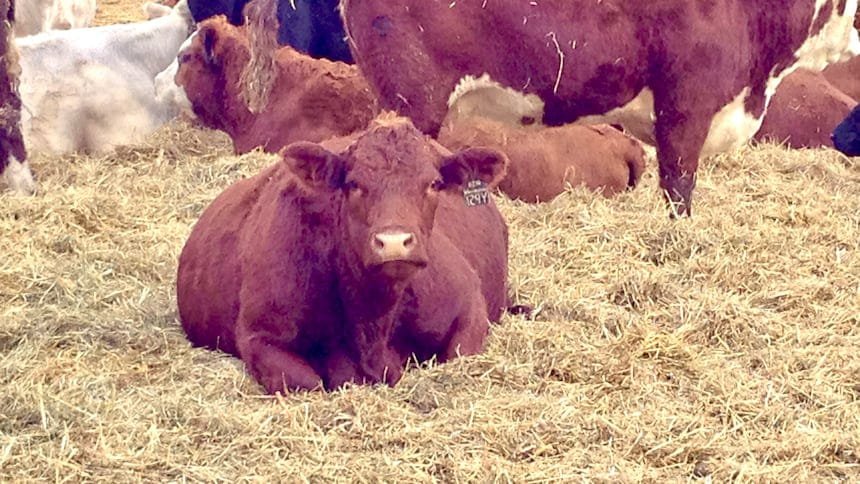
Across Alberta, Saskatchewan, and Manitoba—the historic heartland of Canadian cattle ranching—the sight of shrinking herds has become a quiet but unmistakable reality. Drought, high feed costs, labour shortages, and years of financial strain have pushed cattle numbers to their lowest point in decades. Ranchers who once carried generations-long legacies are selling off animals earlier than planned, unable to sustain the heavy costs of production. From the Prairies to regional markets, the consequences ripple outward, ultimately landing on dinner tables across the country.
What Is Known So Far
Industry reports confirm that Canada’s beef cow inventories have dropped to record lows, with some provinces seeing reductions not witnessed since the early 1980s. The reasons are layered and painful. Severe droughts have scorched grazing lands, forcing ranchers to buy expensive feed or reduce their herds. Operating costs—from fuel to veterinary care—have surged. Many smaller operations, already stretched thin, have chosen to exit the industry entirely.
This supply-side pressure has driven prices upward at a pace that consumers feel every week. Meanwhile, restaurants, food banks, and small grocers are wrestling with supply uncertainty that complicates everything from menu planning to community meal programs.

Broader Reflections
Behind the price hikes are human stories—ones rooted in resilience, exhaustion, and a changing agricultural landscape. Families who have worked the same land for generations describe a quiet heartbreak: the fear that they may be the last caretakers of a tradition that once formed the backbone of rural Canada.
For urban families, the shift is just as real. Rising beef prices are reshaping grocery lists, prompting difficult decisions about nutrition, budgeting, and the comfort foods that often anchor family life. It is a reminder of how intimately connected Canadians are to the quiet, often unseen work of those who feed the nation.
Community Reaction
In rural towns, conversations at local cafés echo with worry. Neighbours talk about shrinking herds with the same tone others would reserve for a family illness—somber, sympathetic, uncertain. Urban communities, too, are responding, though differently. Parents trade tips online for affordable meal substitutions. Teachers notice students talking about changing dinners at home. Food banks report increasing demand for protein alternatives as beef becomes harder for many families to afford.
The emotional response, while quieter than the headlines, is very real. People are anxious—not just about prices, but about what this change signals for the future of food security, family life, and community stability.
The Road Ahead
Experts warn that herd recovery will take years, even if conditions improve soon. Rebuilding cattle numbers requires long-term stability—better weather, more sustainable feed costs, and renewed confidence among ranchers. Government programs may offer some support, but they cannot erase the deeper challenges of a sector facing a generational crossroads.
For consumers, the path forward will mean adapting: more mindful shopping, alternative proteins, and a growing awareness of how fragile the food system can be when any link in the chain begins to falter.
A Final Reflection
The story of rising beef prices is, at its heart, a story about the everyday connections that bind Canadians to one another—ranchers to families, rural fields to city kitchens, individual choices to collective resilience. It is a reminder that behind every product on a shelf lies a network of human effort, vulnerability, and hope. In moments like these, vigilance and compassion matter—not only in how we navigate our own household challenges, but in how we understand and support the people whose unseen work sustains us all.




2 thoughts on ““Why Beef Prices Are Surging as Canada Faces Record-Low Cattle Numbers””