







The Incident
The announcement came in a short but striking statement from the Kremlin, responding to the release of the United States’ updated national security strategy. Moments after the document became public, Russian officials noted—almost pointedly—that several core elements appeared to “align with Russia’s long-term interests.”
For global observers, it wasn’t just a geopolitical comment. It was a spark that set off waves of anxiety, debate, and reflection far beyond Washington and Moscow. In communities across the U.S., the news landed not as abstract diplomacy but as something deeply personal—another reminder of the fragile balance shaping everyday life in an uncertain world.
Location & Context
The comment emerged from Moscow during a televised briefing, interpreted by many analysts as both a strategic signal and a political gesture. In the U.S., the announcement spread rapidly: on smartphones in coffee shops, across community centers, and in the living rooms of families already weary from years of political tension.
For many Americans, especially immigrants with ties to Russia, Ukraine, and neighboring regions, the news amplified a familiar ache—one rooted in memories of instability, divisions between loved ones, and the unpredictable shifts of global power.
What Is Known So Far
The Kremlin did not specify which portions of the security blueprint it viewed as favorable. Analysts cite a mix of defense posture changes, diplomatic tones, and economic language that could be interpreted as accommodating Russian interests.
But what struck average citizens was not the policy nuance. It was the emotional undertone—the sense that major powers were once again moving pieces across a geopolitical chessboard with consequences that would eventually reach ordinary people.
Parents wondered what this meant for their children’s future. Veterans felt echoes of conflicts past. Teachers and community leaders grappled with how to explain the news to young people who already struggle to understand the tension-filled world around them.
Broader Reflections
Beyond geopolitics, the moment prompted a quiet, collective pause. In a world where global tensions often shape local realities—from gas prices to military deployments—people reflected on the fragility of international trust and the ease with which one statement can stir fear or hope.
Residents in cities with large Eastern European populations shared stories: grandparents recalling life behind shifting borders, young adults worrying about disinformation campaigns, parents considering whether their communities might someday be touched by decisions made continents away.
The news became not just a political update but a mirror—one showing the interconnectedness of everyday life with distant diplomatic maneuvering.
Community Reaction
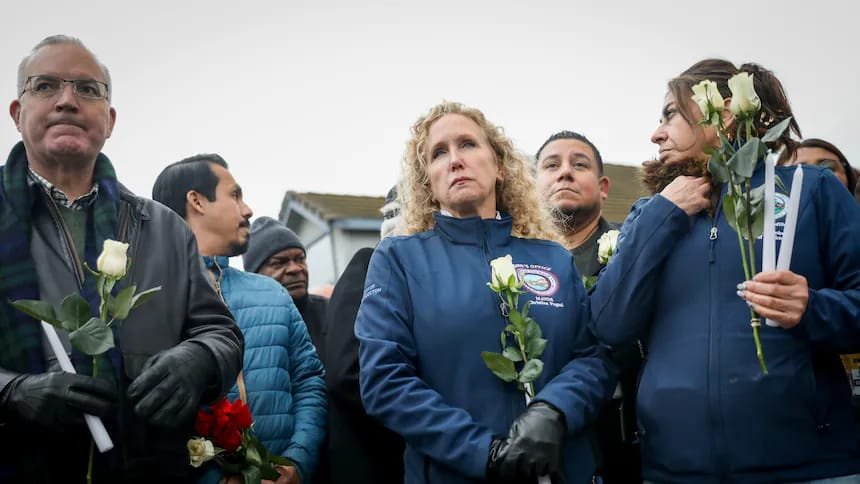
Community centers in cities like Chicago, New York, and Seattle quickly became places of solidarity. Some residents expressed anxiety; others voiced exhaustion at what felt like yet another escalation in a long saga of distrust.
Local organizers hosted discussions, urging families to stay informed yet grounded. In support groups, immigrants spoke about the emotional toll of watching their homelands referenced in power struggles, and young parents talked about raising children in a climate thick with uncertainty.
What unified them was a shared desire for transparency, stability, and the reassurance that their daily lives would not be overshadowed by geopolitical rivalry.
The Road Ahead
Experts caution that diplomatic statements often serve strategic purposes rather than literal alignments. Yet the emotional resonance of such news lingers. Communities continue to hope for communication rather than conflict, cooperation rather than escalation.
For many, the moment reinforced a broader truth: global events are not abstract. They shape the experiences of families, immigrants, workers, and children—people whose lives unfold far from the halls of power yet are deeply affected by what occurs within them.
As neighborhoods process the announcement, the message is clear: vigilance matters, informed citizenship matters, and compassion matters. Even when the headlines revolve around distant capitals, the heart of the issue remains close to home.
A Reflective Close
The Kremlin’s remark may become just another line in the long history of geopolitical tension, but the way communities responded speaks to something profoundly human. In uncertain times, people look to one another for steadiness. They worry for their loved ones. They seek understanding. And they remind each other that the world, while complicated, can still be navigated with empathy and everyday awareness.
In a world shaped by forces far larger than any one person, the most powerful acts may be the simplest: staying informed, staying connected, and watching over one another with care.