






The Incident
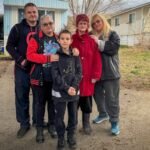
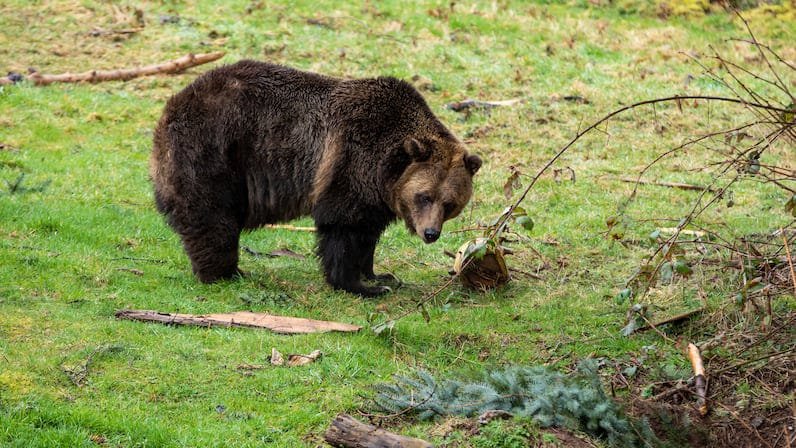
On November 20, 2025, what began as a peaceful field-trip lunch turned into a harrowing ordeal for a small group of students and teachers in the remote community of Bella Coola, British Columbia. A grizzly bear — later described by investigators as “aggressive” and unlike any previously documented in the region — charged the group of roughly 20 outdoors during their lunch break. In the chaos, three young students and one teacher suffered serious injuries. Several others required medical attention. Teachers who rushed to protect their students — using bear spray, bear bangers, and even their own bodies — were later hailed as heroes for their swift, selfless action, giving children a chance to run to safety.
Location & Context
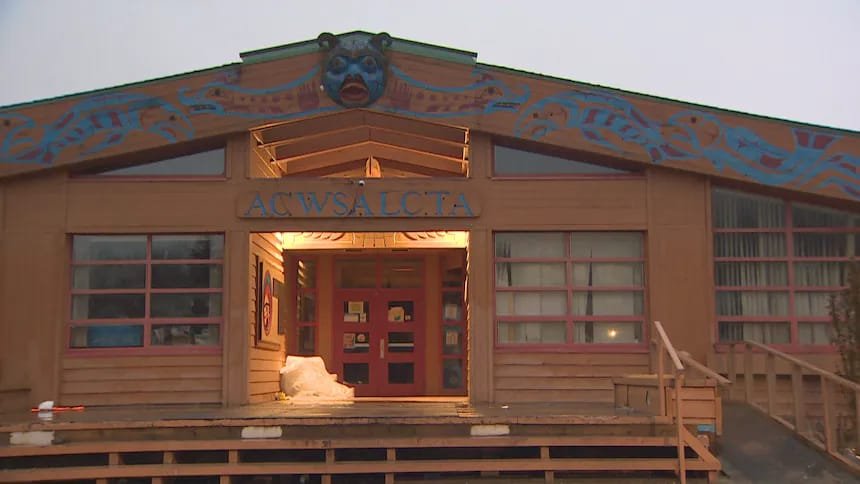
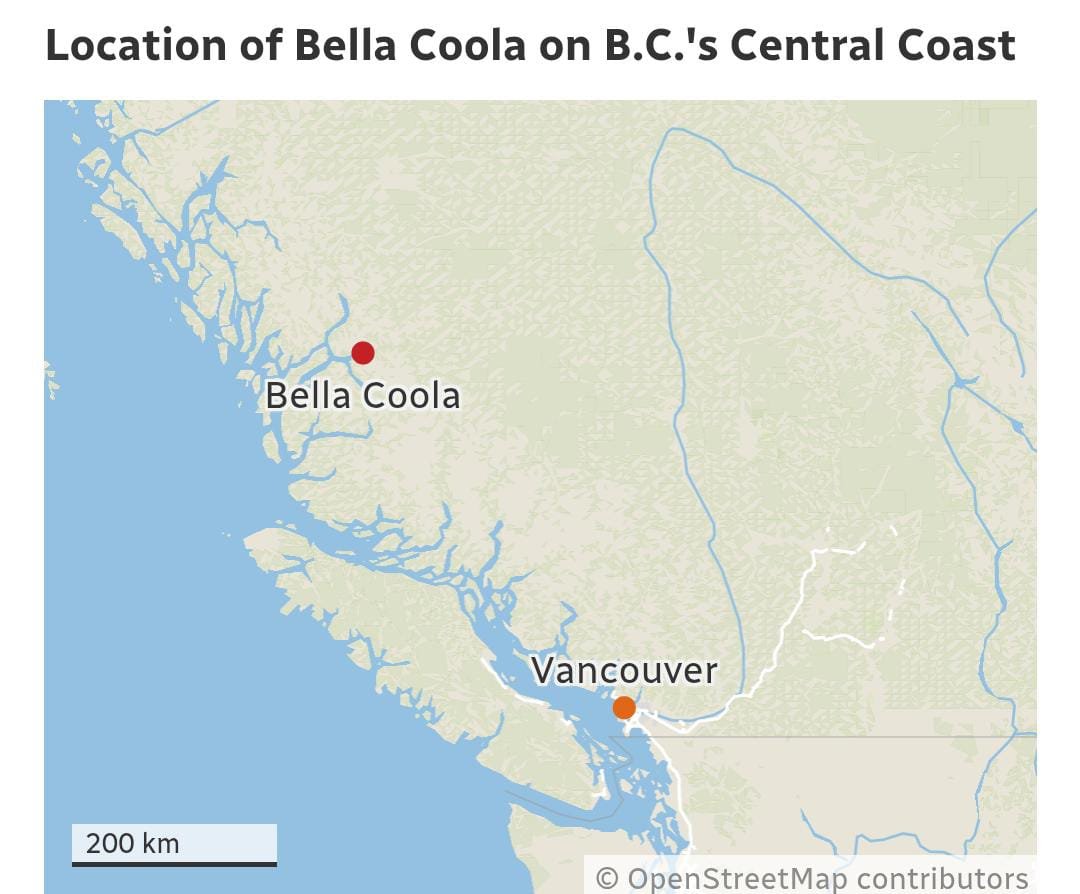
Bella Coola lies deep in the heart of the coastal wilderness, roughly 700 kilometres northwest of Vancouver, nestled in a region where forest, fjords, and mountains meet — a landscape long shared by humans and wildlife, including grizzlies. The particular spot of the attack, known locally as “4 Mile,” is part of a valley and forested area where bears are known to roam. While human-bear coexistence has long been part of life here, interactions have historically been cautious and respectful. Until now, such a violent, sustained attack on a school group was unimaginable.
What Is Known So Far
In the days following the attack, the B.C. Conservation Officer Service (BCCOS) mounted an intensive search. Officers — supported by aerial patrols equipped with thermal imaging and ground teams — sought to track down what they believed might be a mother grizzly accompanied by two cubs. Over two weeks, 24 officers worked around the clock, collecting forensic evidence, conducting DNA tests, and interviewing witnesses. On December 5, authorities announced they were suspending active search efforts. Four grizzlies previously captured in the region were ruled out by DNA and forensic analysis; none matched evidence from the attack site. There have been no further sightings in the area for at least five days, and with the onset of the denning season, officers removed equipment and scaled back operations. A full-time conservation officer will remain on watch, and BCCOS stated it will coordinate with the local community — including the Nuxalk Nation — to develop safer coexistence strategies.
Broader Reflections
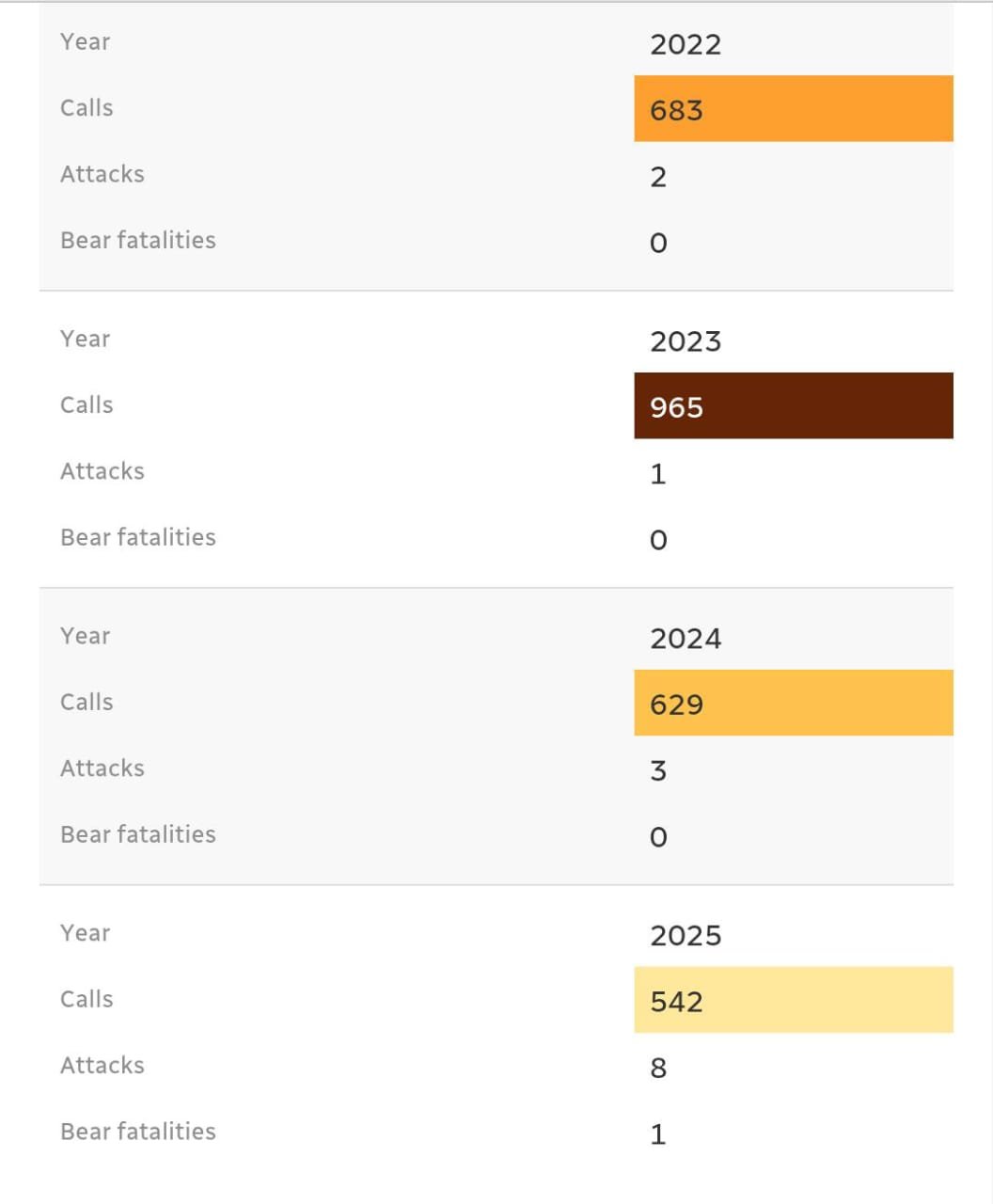
This tragedy — rare though such attacks are — underscores the fragile line communities walk when living alongside wild animals. For generations, Bella Coola’s residents have respected and feared nature’s power in equal measure. The attack challenges long-held assumptions about safety even in familiar wild spaces. The fact that the bear eluded capture despite intensive, coordinated efforts adds to the anxiety. It raises questions: What drives a wild animal to strike in such a setting? Was it hunger? Injury? Fear? Whatever the cause, the consequences ripple far beyond those injured — they shake the collective sense of security, especially in a community where the boundary between home and wilderness is thin.
https://amarsonpost.com/a-historic-milestone-canadas-first-building-to-reach-100-storeys/
Community Reaction
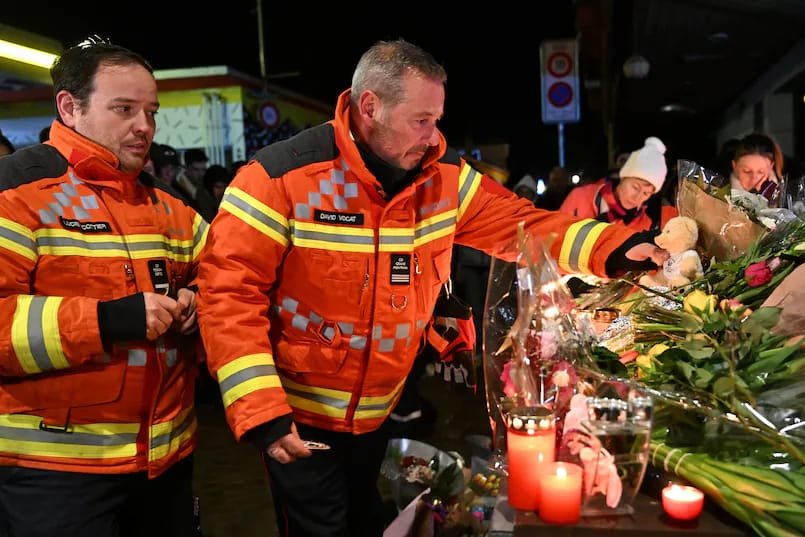
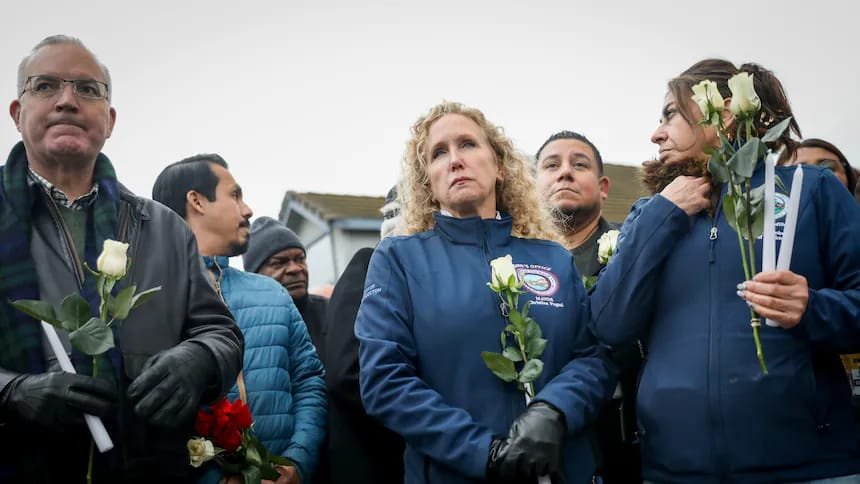
Shock, grief, and fear now hang over Bella Coola like a long winter dusk. Parents, already protective, are now haunted by “what ifs.” Elders recall childhoods spent roaming these same woods — but also acknowledge a changing reality: wildlife behavior may be changing. The Nuxalk Nation described the event as a “moment of life and death,” mourning the suffering of children and teachers. Community meetings have drawn dozens, many sharing anxious glances and whispered prayers. A relief fund launched to help with medical and recovery costs has already raised significant support, a testament to the community’s solidarity. Traumatized students and staff have been offered counselling, while some locals say they won’t allow their children outside unsupervised for a long time — if ever.
The Road Ahead
With the search suspended, Bella Coola must now reckon with a new reality. BCCOS, local First Nations leadership, and community organizations plan to work together on updated safety protocols: clearer guidelines for outdoor education, possible restrictions on forest visits during risky periods, and educational campaigns around bear awareness. Long-term coexistence strategies — non-lethal deterrents, safe-waste disposal, improved community communication — will be revisited. Families and guardians across the region are likely rethinking how they approach nature: not as a familiar playground, but as a wild, unpredictable neighbor.
https://amarsonpost.com/dna-test-reunites-three-generations-of-women-after-years-apart/
In a world where humans and wild animals share space — sometimes due to proximity by geography, other times by choice — this tragedy in Bella Coola is a stark reminder: vigilance, respect, preparation, and compassion remain our most essential tools. For the children hurt, the teachers who protected them, and the many who now carry fear and grief — everyday caution may save lives. We owe them not just empathy, but action: to build safer spaces, to honor the wild without underestimating it, and to protect the vulnerability of childhood wherever it may roam.