







The Incident
On a cold November afternoon in downtown Toronto, emergency crews rushed to a high-rise apartment complex after reports that a young child had fallen from a balcony. Neighbours watched in disbelief, some in tears, as paramedics worked urgently. The tragedy shook the entire building — a stark reminder of how quickly everyday life can shift from routine to devastating.
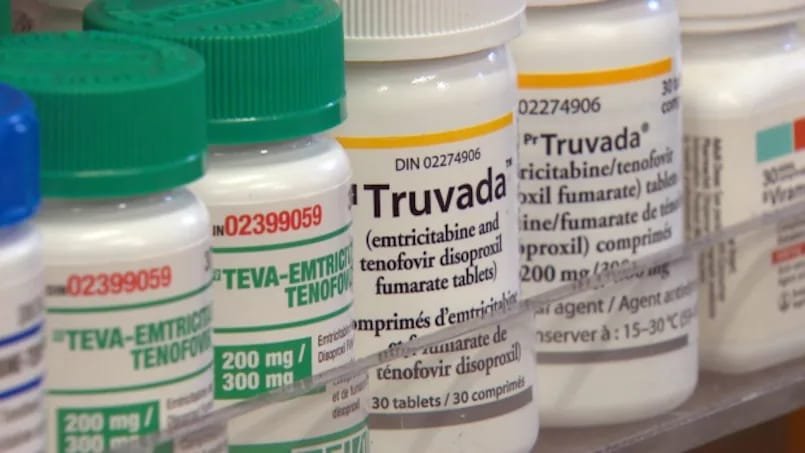
Amid the grief, a quieter, parallel story emerged: the child’s family had been navigating multiple stresses, including limited access to essential preventive healthcare. A relative later shared that the parents had struggled for months to secure HIV prevention medication for an adult family member, encountering barriers that added strain to an already fragile household.
https://amarsonpost.com/a-historic-milestone-canadas-first-building-to-reach-100-storeys/
Location & Context
The building, a 32-storey tower in one of Canada’s densest urban corridors, is home to hundreds of families — many newcomers, many living in small units, many juggling long work hours and limited support. In homes like these, safety risks can escalate without constant vigilance, and access to healthcare can become yet another challenge in an already complex environment.
This week, Canadian doctors issued a national call for universal, no-barrier access to HIV prevention drugs such as PrEP, arguing that anyone who requests them should receive them promptly and without judgment. Their message resonated in communities like this one, where health, housing conditions, and daily survival are deeply intertwined.

What Is Known So Far
Authorities have confirmed that the child’s fall was accidental — a momentary lapse, a door left ajar, an opportunity that lasted only seconds. The family has asked for privacy, and neighbours say they had always appeared attentive, loving, and devoted.
At the same time, doctors nationwide are pointing to this tragedy as part of a broader conversation: when families are stretched thin by housing insecurity, complicated medical processes, or systemic barriers, the smallest gaps in safety can widen unexpectedly. Healthcare advocates argue that removing burdens — including barriers to HIV prevention — strengthens families’ overall stability and reduces the weight of stress that can contribute to unsafe environments.
Broader Reflections
Experts note that in high-rise living, child safety requires more than parental awareness; it demands structural support, predictable access to healthcare, and community networks that help families stay anchored. When medical systems are difficult to navigate, families can become overwhelmed, leaving fewer emotional and mental resources to manage daily risks.
Doctors advocating for universal HIV prevention access emphasize that healthcare is inseparable from community well-being. A parent preoccupied with medical fear, stigma, or bureaucratic hurdles may be more vulnerable to fatigue and chaotic routines — conditions that can compromise safety in homes where one open window or unattended balcony door can have irreversible consequences.
Community Reaction
Neighbours gathered in the building’s lobby in the days after the incident, sharing stories, grief, and quiet reassurances. Many spoke of the pressures of raising children in tall towers: the constant worry over windows, the fast pace of daily life, and the stress of navigating health systems that feel complex and unforgiving.
The doctors’ national message — that HIV prevention medication should be freely and easily available — struck a chord with many residents. Some said they had delayed seeking medical help in the past because they feared long waits, complicated forms, or stigma from providers. Others expressed hope that reducing these barriers could ease the burdens on families already stretched thin.
The Road Ahead
As the community mourns, tenant groups are calling for stronger balcony safety guidelines, more education for families newly living in high-rise environments, and improved building supports. Health advocates continue urging policymakers to recognize that preventive care — including HIV prevention — must be treated as a fundamental necessity, not a privilege.
For many, the tragedy has become a collective reminder: safety is not only about locks, latches, and vigilance, but also about ensuring families are not overwhelmed by avoidable stressors.
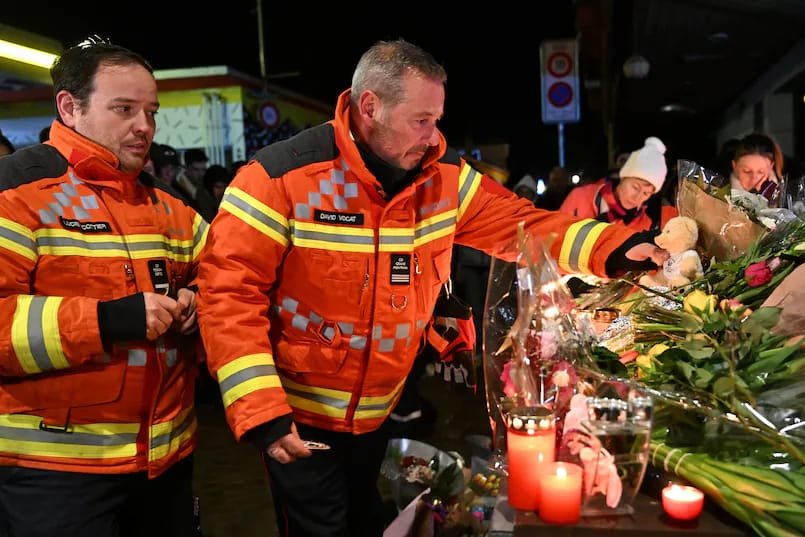
In the quiet after the emergency sirens, residents left flowers at the building’s entrance — a gesture of grief, solidarity, and fragile hope. The loss has underscored something profound: that in the dense vertical world of high-rise living, every act of care matters. Whether it is keeping a balcony door secured or ensuring lifesaving medication is easy to obtain, the small protections we create for one another can mean everything.
And as Canadians confront these intertwined challenges, the call for compassion — in healthcare, in parenting, and in community life — feels more urgent, and more vital, than ever.

2 thoughts on “Canadian Doctors Call for Universal, No-Barrier Access to HIV Prevention Medications for Anyone Who Requests Them”