








The Incident
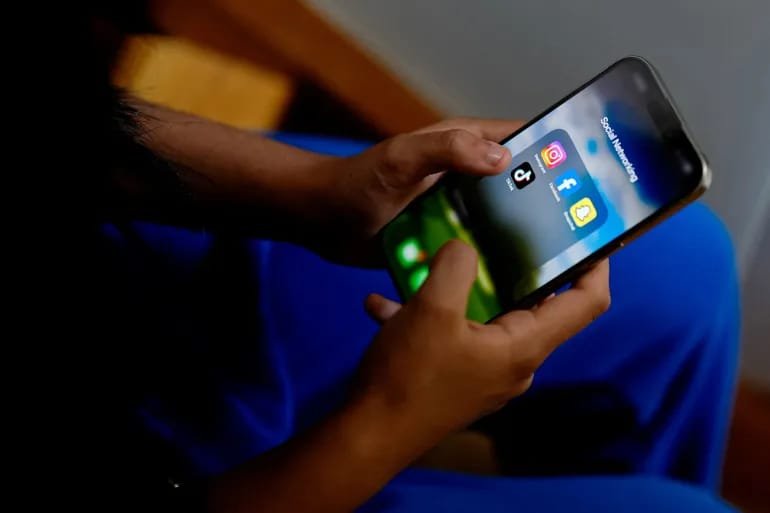
In a historic and sweeping decision, the government of Australia has enacted a law that will ban children under the age of 16 from creating or holding accounts on most major social media platforms. From 10 December 2025, anyone below 16 found using restricted platforms like TikTok, Instagram, Facebook, Snapchat, YouTube, X (formerly Twitter), Reddit and others — will have their accounts deactivated.
Platforms that fail to “take reasonable steps” to enforce the ban risk hefty fines — up to A$49.5 million.
Location & Context
The decision was formalized under the Online Safety Amendment (Social Media Minimum Age) Act 2024, building on growing concerns about online risks faced by minors, including cyberbullying, harmful content, mental-health challenges and exploitation.
Australia — often seen as a pioneer in digital safety policy — has become the first country to implement such an age-based social media restriction at national scale. The law reflects a shift in thinking: online childhood is no longer seen as benign or harmless, but increasingly risky for too-young users.
What Is Known So Far
The law affects a wide array of social-media services defined as “age-restricted” — notably TikTok, Instagram, Facebook, Snapchat, YouTube (despite earlier plans to exempt it), X, Reddit, Twitch and others.
Platforms are required to take “reasonable steps” to block under-16s, which could include age-verification through IDs, age-estimation tools or behavioral signals — though there’s no uniform standard.
Existing under-16 accounts will be deactivated; no penalties will be placed on parents or children themselves if there’s a violation — the onus is on the platforms.
Certain apps are exempt: services primarily used for messaging, education, gaming or professional purposes (e.g. educational platforms, messaging services) may remain accessible to under-16s under the exemptions.
Even so, critics — including major tech firms like Google — have expressed doubts about how effectively the ban can be enforced, citing technical difficulties, risk of circumvention, and privacy issues around age verification.
Broader Reflections
This move forces a reckoning with what childhood means in a deeply digital world — when even routines like friendship, identity exploration, and self-expression often happen online. For many under-16s, social media is more than entertainment; it’s community, affirmation, and belonging. Cutting that off entirely feels like a monumental decision.
At the same time, the risks are real. Experts have long warned of how unchecked access to social media can expose children to bullying, grooming, toxic content, pressure for unrealistic body images, addictive screen use, and deteriorating mental health. At its core, the ban reflects a radical shift: prioritizing child safety and wellbeing over digital freedom and social access for minors.
The scale of the ban also raises difficult questions about privacy, equity and digital rights. Age-verification tools, by their nature, demand personal data — sometimes sensitive. And there’s no guarantee that children won’t simply circumvent restrictions: tech-savvy minors may migrate to lesser-known, unregulated platforms offering the same risks.
In effect, Australia’s decision tests a global tension: how much control should society exert to protect children — and at what cost to their autonomy, social life, and privacy?
Community Reaction
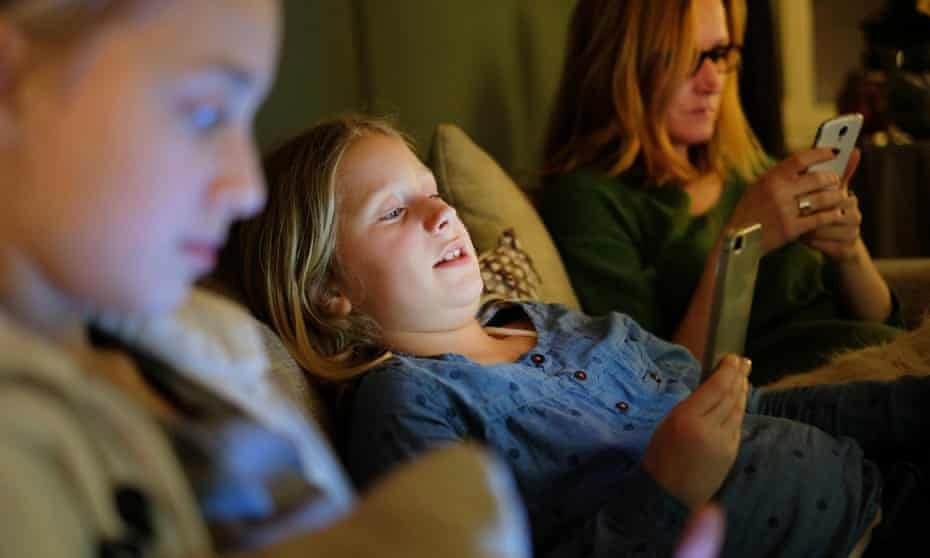
Across Australia, reactions are mixed — emotional, conflicted, worried. Many parents have expressed relief, feeling that the ban offers a long-overdue shield against dangers of the online world. For them, it’s a recognition that childhood should be protected, not monetized or exploited.
Yet for some teens — soon to be cut off from their digital lives — the ban feels like punishment rather than protection. For adolescents for whom social media is where they communicate with friends, explore their identities, or engage with communities, the loss is deeply personal. Others worry that restricting official platforms won’t stop digital connection — but will push children into unsafe, unregulated corners of the internet, where dangers may be amplified.
Child-safety advocates and psychologists emphasise that the ban cannot work alone: emotional support, open communication, parental awareness, and healthy offline spaces are essential. Many warn that blanket bans may alleviate some risks — but not the root causes.

The Road Ahead
Starting 10 December 2025, platforms will begin disabling under-16 accounts and locking access. Officials and regulators will monitor compliance. But enforcement is likely to remain patchy — especially given the technical and privacy challenges of age verification.
Critics — including digital-rights groups — are already mounting legal and public-policy challenges. Some argue that rather than blanket bans, a better approach would be to strengthen platform accountability, child-protection tools, parental controls, and digital-literacy education.
Meanwhile, families across Australia will have to navigate a new reality: teens once wedded to social feeds will need guidance, alternative social spaces, and emotional support to adapt.
Reflective Note
Australia’s bold decision to ban social media for under-16s is more than a legislative milestone — it is a societal mirror. It underscores how the digital world, for all its promises, can be perilous for the vulnerable and young. In a way, the ban asks us: what kind of childhood do we owe our children? One with risks, screens and constant connectivity — or one grounded in safety, real relationships, and space to grow without pressure?
https://amarsonpost.com/dna-test-reunites-three-generations-of-women-after-years-apart/
As communities adjust, platforms scramble, and families brace for change, the deeper lesson remains timeless: protecting childhood requires more than laws. It demands vigilance in everyday life, compassion in parenting, and a willingness to listen — to children, to their fears, and to their needs. In the quiet corners of homes and in everyday conversations lies the true armor against digital harm.

One thought on “Unprecedented Move: Australia Bans Social Media Access for Anyone Under 16”