


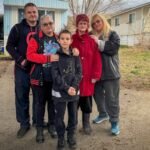




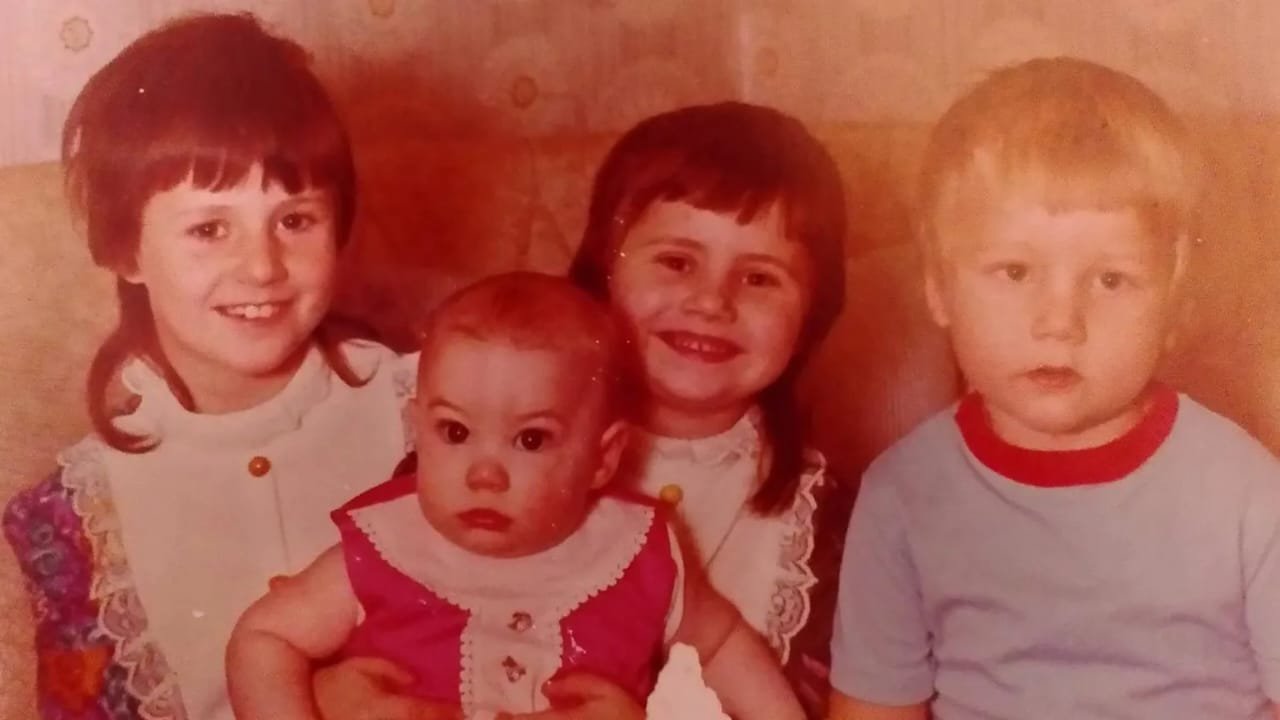
The Incident
What began as a quiet search for medical clarity became an emotional turning point for three women who had long carried questions about their origins. A routine DNA test, taken by 32-year-old marketing analyst Mira Desai to understand her genetic health risks, unexpectedly led to the discovery of both her biological mother, Anika, and grandmother, Lila — women who had spent decades believing they might never cross paths with their missing family again.
The reunion, though rooted in joy, also exposed years of silent grief and the profoundly human cost of separation. For the three women, the moment they finally stood together was not simply a meeting — it was the breaking open of years of longing.
Location & Context
The women’s story spans multiple cities. Mira, raised in Pune by her adoptive parents, had grown up aware that she was adopted but had never had enough detail to pursue her biological family. Anika, who had lived in Mumbai since she was a teenager, had spent years searching through orphanage records and outreach programs with no success. Meanwhile, Lila, now living in a retirement community in Ahmedabad, had believed her daughter Anika was lost forever after a chaotic period marked by a high-rise building fire that displaced families and separated children from parents.
The tragedy had become a quiet part of the city’s history — one in which crowded stairwells, poor emergency planning, and split-second panic had fractured multiple families. Anika was one of many children displaced during the evacuation, eventually placed into temporary care before aging out of the system with little documentation.
That single disaster, and the lack of oversight that followed, shaped the next three decades of their lives.
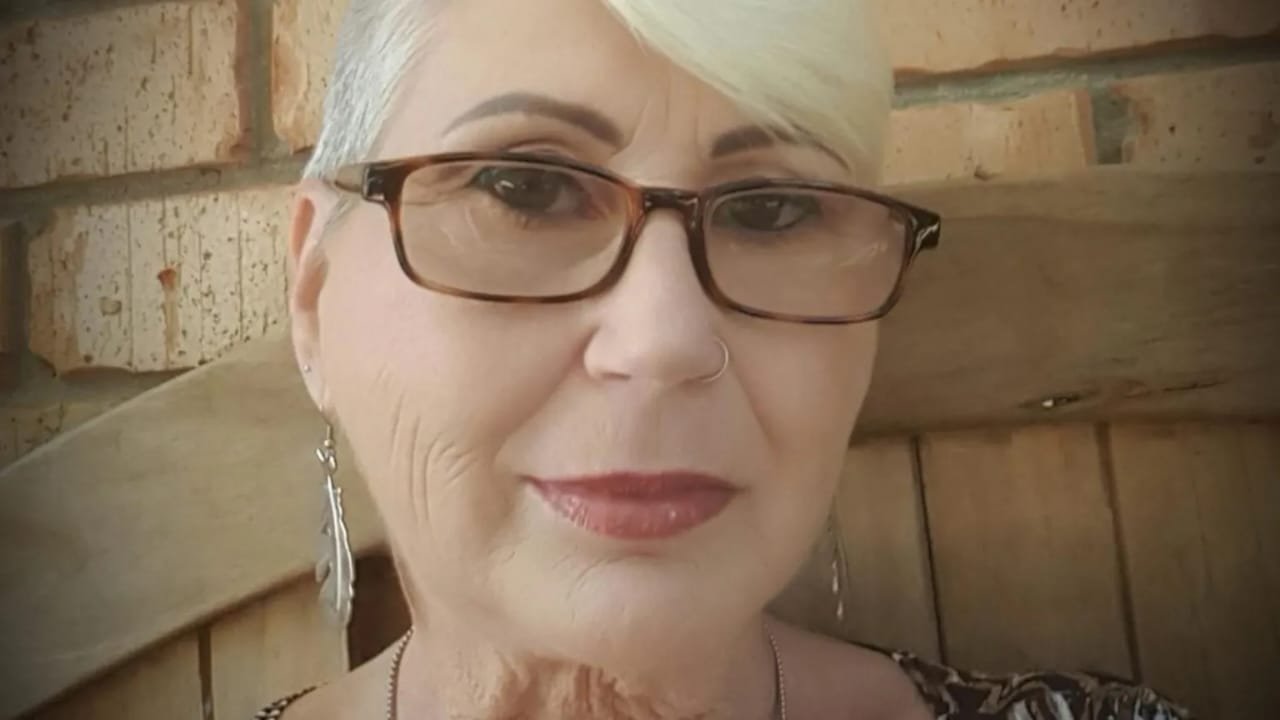
What Is Known So Far
The unexpected match occurred when Mira submitted her DNA sample to a widely used testing service. When she received an alert about a “close biological match,” she initially assumed it was a distant relative. Instead, the service identified a genetic link pointing directly to Anika.
The two exchanged messages hesitantly at first — a mixture of disbelief, cautious hope, and fear of disappointment. But the DNA results were unequivocal. Their first video call, as both would later describe, was “like seeing a piece of yourself you forgot was missing.”
The second discovery came shortly after, when Anika used the same testing platform and matched with Lila — the mother she had been separated from during the chaotic fire evacuation. The three women met in person a month later, the moment captured quietly by a relative with a phone camera, showing tears, trembling hands, and relief that seemed to melt years of grief.
Broader Reflections
While the story celebrates reunion, it also highlights deeper themes: the fragility of family ties, especially in urban environments where safety lapses can ripple across generations; the importance of thorough record-keeping in child services; and the unexpected ways modern tools like DNA testing can bring closure where systems once failed.
The original high-rise incident — though decades old — echoes current concerns about child safety in densely populated cities. Fire codes, evacuation drills, and parental awareness remain critical in buildings where a single moment of confusion can rewrite the course of many lives.
This reunion reminds us that even when authorities lose track, the human heart never does.
Community Reaction
As news of the reunion spread through their respective neighborhoods and on local social platforms, the response was overwhelmingly emotional. Residents who remembered the high-rise tragedy expressed both joy for the family and renewed frustration over the historical mismanagement that separated so many children from their parents.
One community organizer who had worked with displaced families recalled how “the city healed on the surface, but the quiet wounds remained.” Another resident described the reunion as “a reminder that hope can outlast bureaucracy.”
For many, the story reopened conversations about emergency preparedness, child tracking systems during evacuations, and the need for city leaders to revisit safety protocols in older residential towers.
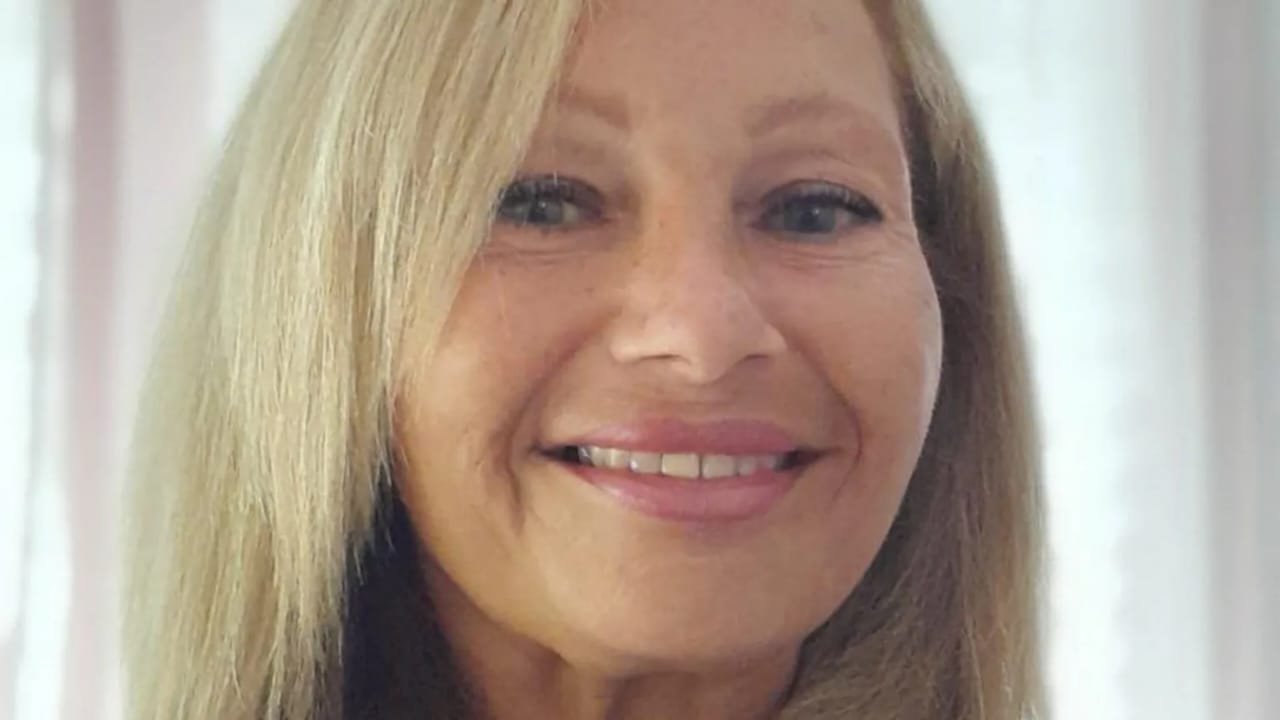
The Road Ahead
The three women now meet regularly, sharing meals, memories, and new traditions to make up for lost years. Mira has begun documenting their story in a journal she plans to pass down someday — a record of both loss and rediscovery.
Anika and Lila are attending counseling together, working through the complicated emotions that come with reunion after decades apart. They describe their journey not as a perfect ending, but as the start of a long, gentle healing.
For them, the future is no longer defined by silence but by the simple everyday moments they now get to experience together.
A Final Reflection
Their story is a reminder that life’s most meaningful connections can survive unimaginable distance and time — yet it also calls us to reflect on how our cities, our homes, and our daily vigilance shape the safety of families. Whether in a crowded high-rise hallway or a quiet moment of decision, small lapses can echo across generations, just as small acts of compassion can mend them.
In an unpredictable world, their reunion stands as both a testament to resilience and a gentle urging: stay watchful, stay connected, and never undenrestimate the quiet power of caring for one another.