








The Incident
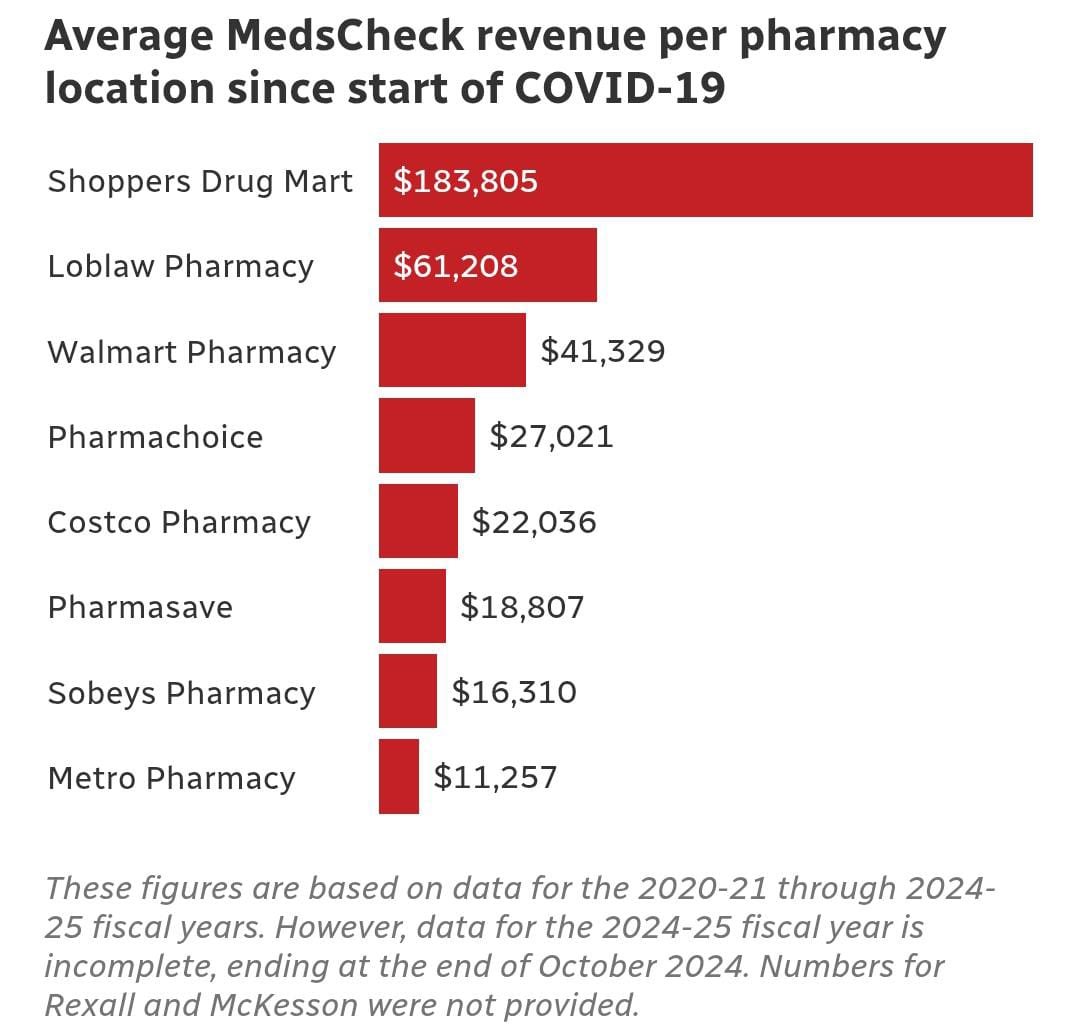
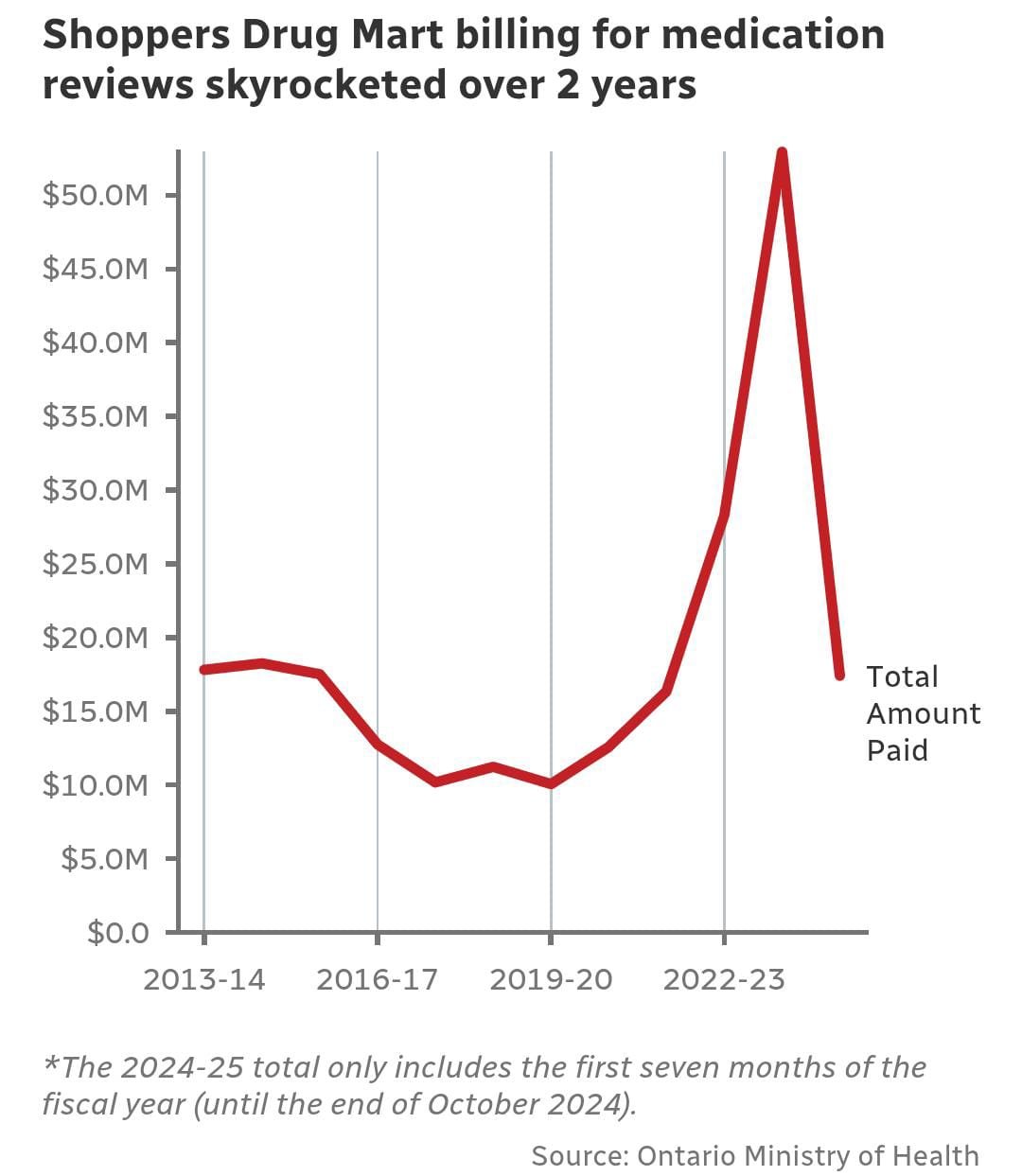
In a startling turn, it has emerged that Shoppers Drug Mart billed the Ontario government nearly $81 million over two years for its MedsCheck medication review service — precisely during a period when COVID-19–driven in-person care was winding down. What was once framed as a patient-centered service appears, to many, as a system ripe for exploitation.
Former and current pharmacists, as well as health-policy analysts, are sounding the alarm. They allege that Shoppers exerted overt pressure on pharmacy staff to make unsolicited calls to patients — even when there was no clear medical need — simply to secure billable check-ins. According to these insiders, the balance between patient care and profit may have dangerously shifted.
Location & Context
This controversy is not unfolding in some remote laboratory — it’s happening in local storefronts across Ontario, at Shoppers Drug Mart pharmacies embedded in neighborhoods, suburban strip malls, and city thoroughfares. These are the same places where many Ontarians go to pick up prescriptions, ask questions about their medicines, or quietly trust a pharmacist to look out for their well-being.
MedsCheck — a provincially funded program introduced to ensure that patients, especially those on multiple chronic medications, receive regular medication reviews — was intended to be a clinical safeguard. But during the pandemic, regulations were relaxed to allow virtual or phone-based reviews, making them easier to perform remotely than ever before.
It is against this backdrop that Shoppers’ MedsCheck billing surged — raising uncomfortable questions about motive, oversight, and the true cost of convenience.
What Is Known So Far
Pharmacists within Shoppers Drug Mart say they were subject to targets or quotas for MedsCheck calls.
According to multiple reports, these calls were often cold calls — patients were invited into a “medication review” even if they had no expressed concern or change in their prescriptions.
A CBC story recounted one patient who received a five-minute call about an inhaler she had been using for years — a call that was later billed to the government.
Pharmacists allege that missing internal MedsCheck targets could have professional consequences — even loss of hours or reputation.
A class-action lawsuit has also been filed by a group of pharmacists alleging “unsafe and unethical” corporate practices, including the imposition of volume targets for professional services like MedsCheck.
Meanwhile, Shoppers has denied that it sets such quotas.
The Ontario College of Pharmacists has convened town halls and received thousands of responses in a survey, suggesting this is not just isolated grumbling but a systemic concern.
Broader Reflections
At its heart, this issue raises fundamental questions about the shifting identity of pharmacy: Is it still a place of healing, or has it become a business optimized for public reimbursement? MedsCheck was born out of a noble goal—to give pharmacists time to review patients’ medications, catch dangerous interactions, and make sure no one is silently suffering from over-prescription.
Yet, when financial incentives drive behavior, even well-intentioned programs can distort. Pharmacists, sworn to care, may feel torn between professional ethics and corporate targets. Patients, on the other hand, may consent to calls never truly understanding that each conversation could cost the taxpayer $60–$75.
This tension also underscores a larger debate in public healthcare: how to safeguard quality when profit motives intersect with publicly funded services. And if unchecked, such practices risk eroding trust in both pharmacies and the broader publicly financed health-care system.
Community Reaction
For many Ontarians, the revelations have sparked anger and dismay. On social media and forums, patients say they feel misled — surprised that check-ins they thought were compassionate follow-ups were, in fact, billed to the state. A recurring sentiment: “If I’d known they could charge the government so much for such quick calls, I would have refused.”
Pharmacists, too, are speaking out. Some allege they were forced to stay late, make dozens of calls, or bend clinical judgment just to hit quotas. Others are pushing back. A group of franchise pharmacists has filed a class-action lawsuit, citing “moral injury” and systemic pressure from corporate management.
Professionals from other corners of healthcare, including family doctors, have weighed in: they argue that this kind of billing undermines the integrity of medical review programs, distracts from patients who genuinely need help, and places unnecessary burdens on the system.
The Road Ahead
Regulators and professional bodies are now under pressure to act. The Ontario College of Pharmacists, having actively solicited input, may consider tighter controls, clearer documentation rules, or limits on how MedsCheck calls are initiated and billed.
Meanwhile, Shoppers Drug Mart — and by extension, other large pharmacy chains — face a reckoning. Public scrutiny, class-action litigation, and potential policy reforms could force a shift in business practices. Pharmacists advocating for change are calling for an environment where patient care is not secondary to financial targets.
There’s also a role for patient education: ensuring that people understand what a MedsCheck is, how it works, and that they have a real choice when contacted. Transparency must improve if trust is to be restored.
A Reflective Note
What began as a routine public-health service has morphed into a lightning rod for debate about ethics, care, and accountability. The $81 million billed is more than a number on a spreadsheet — it represents thousands of conversations, many of them perfunctory, and lives touched under the guise of care.
This story is a reminder that vigilance matters, even in the most familiar places. A phone call from your pharmacy might feel caring — but without transparency, it can also be transactional. As a community, we must stay alert; as patients, we must ask questions; and as a society, we must demand that our health-care systems remain accountable, compassionate, and grounded in the call to heal, not just to bill.