








The Incident
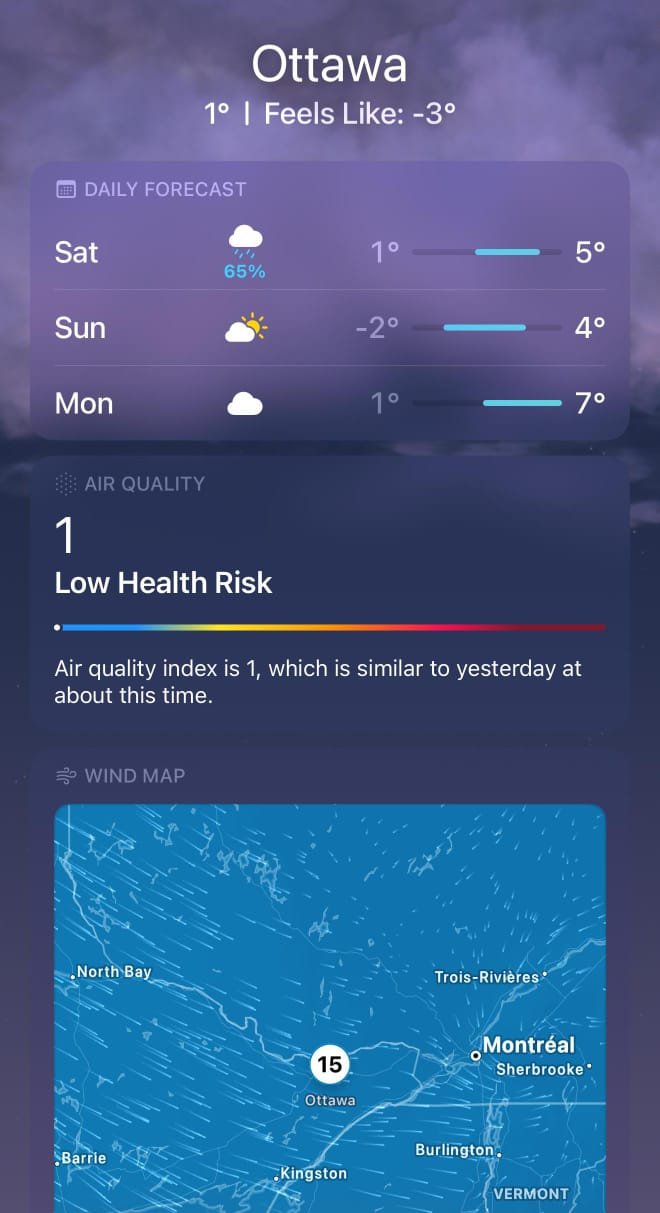
In an era when conversations about air pollution often carry a heavy weight, Ottawa woke up today to a rare piece of reassuring news: the city’s Air Quality Health Index (AQHI) stands at 1 — a low-risk level. For residents accustomed to the unpredictability that climate-driven weather shifts can bring, the reading felt like a breath of clean, crisp relief. As the sun rose over the capital, joggers resumed their routines, parents walked their children to school, and commuters stepped outside without hesitation. A simple number — just 1 — symbolized peace of mind.
But across the world, the story is not so uniform. Screenshots from other global capitals show a startling contrast that raises deeper questions about environmental inequalities, human resilience, and the shared responsibility to safeguard the air we breathe.
Location & Context
Ottawa, a capital known for its serene rivers, spacious greens, and strong environmental policies, often sits comfortably in low to moderate air quality ranges. The cold November air contributes to the clarity; atmospheric particles tend to settle, leaving the sky visibly open. Yet, even here, nothing is taken for granted — modern life has taught communities that clean air is precious and fragile.
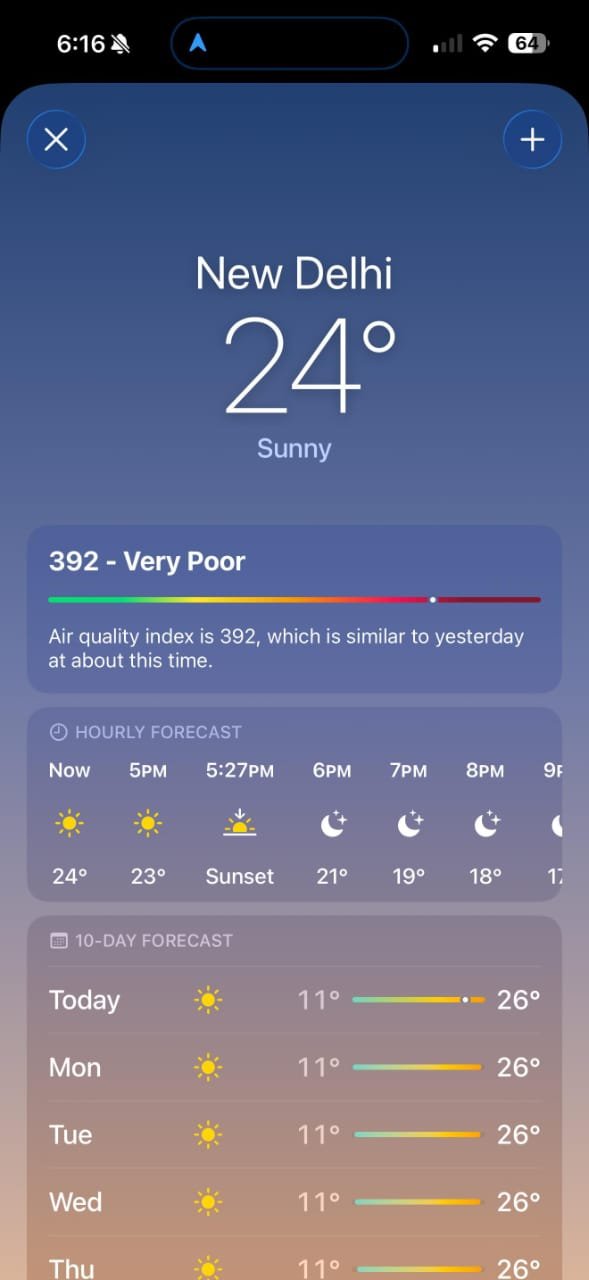
In stark contrast, cities like New Delhi, despite being national capitals with immense cultural and political significance, struggle with hazardous levels of pollution. Today’s reading in New Delhi — shown as 392: Very Poor — paints a brutally different reality where stepping outside comes with genuine health risks, even before the day has begun.
What Is Known So Far
• Ottawa: AQHI of 1 signifies minimal health risk. Outdoor activities remain safe for all age groups.
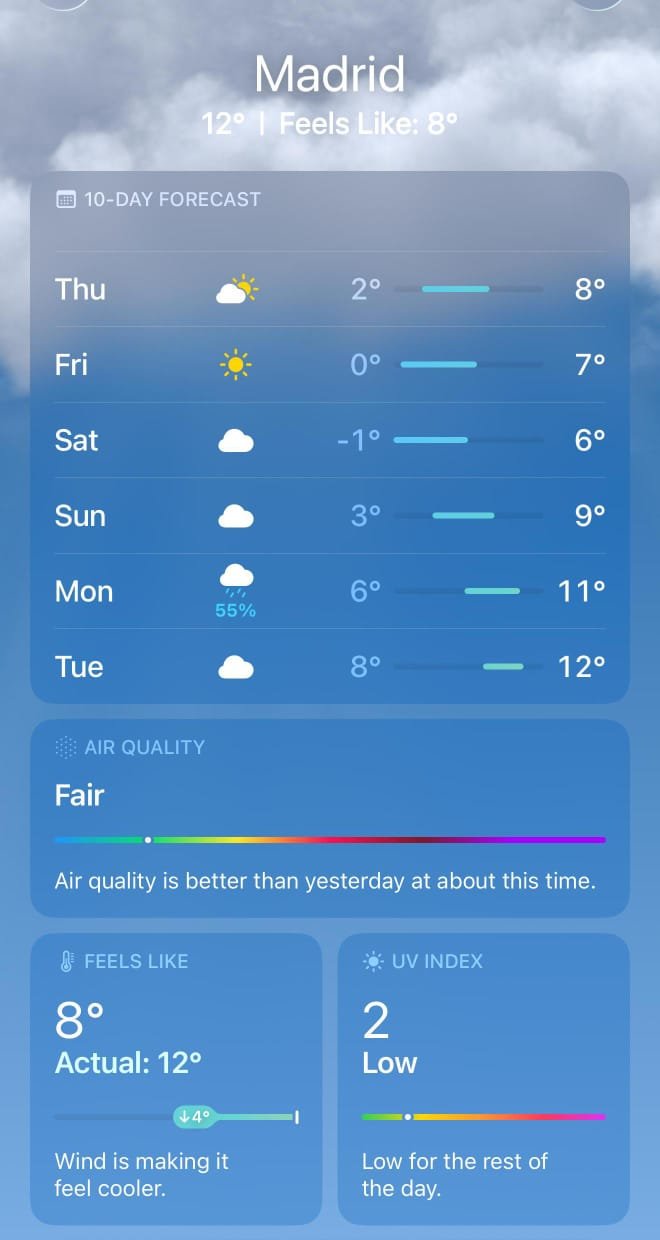
• Madrid: Recorded a Fair air quality level with a moderate but manageable index. Residents can enjoy their day but may feel a slight atmospheric heaviness typical during cooler months.
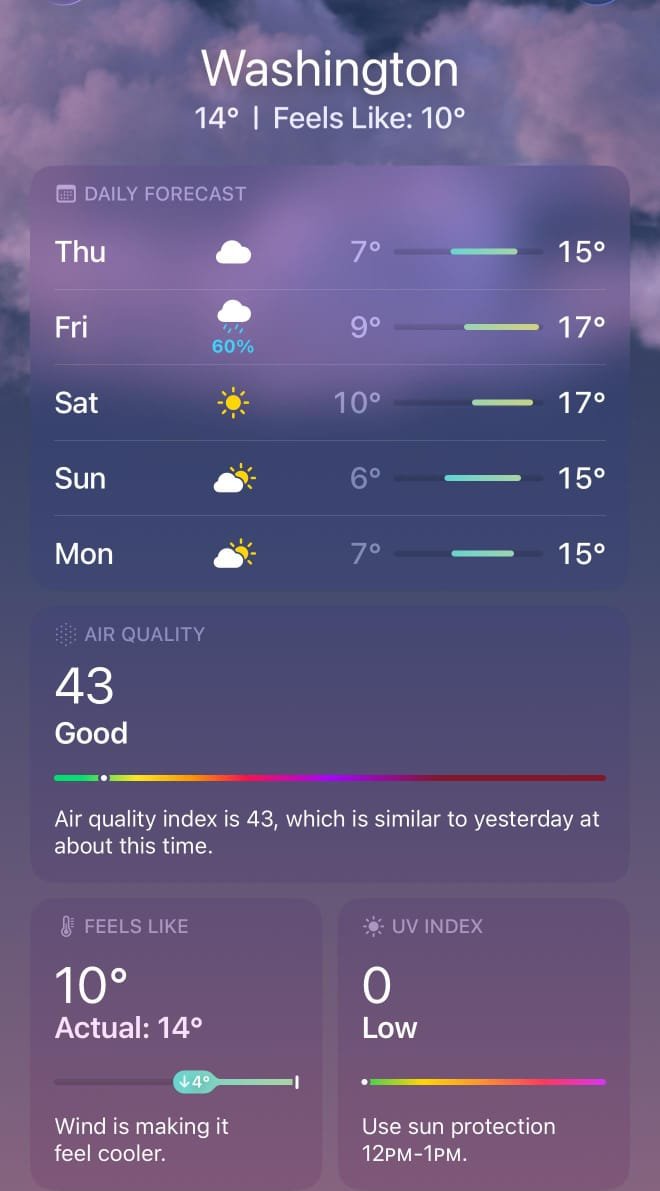
• Washington, D.C.: With an AQI of 43, the city sits comfortably in the Good category — livable, breathable, and reassuring for vulnerable groups.
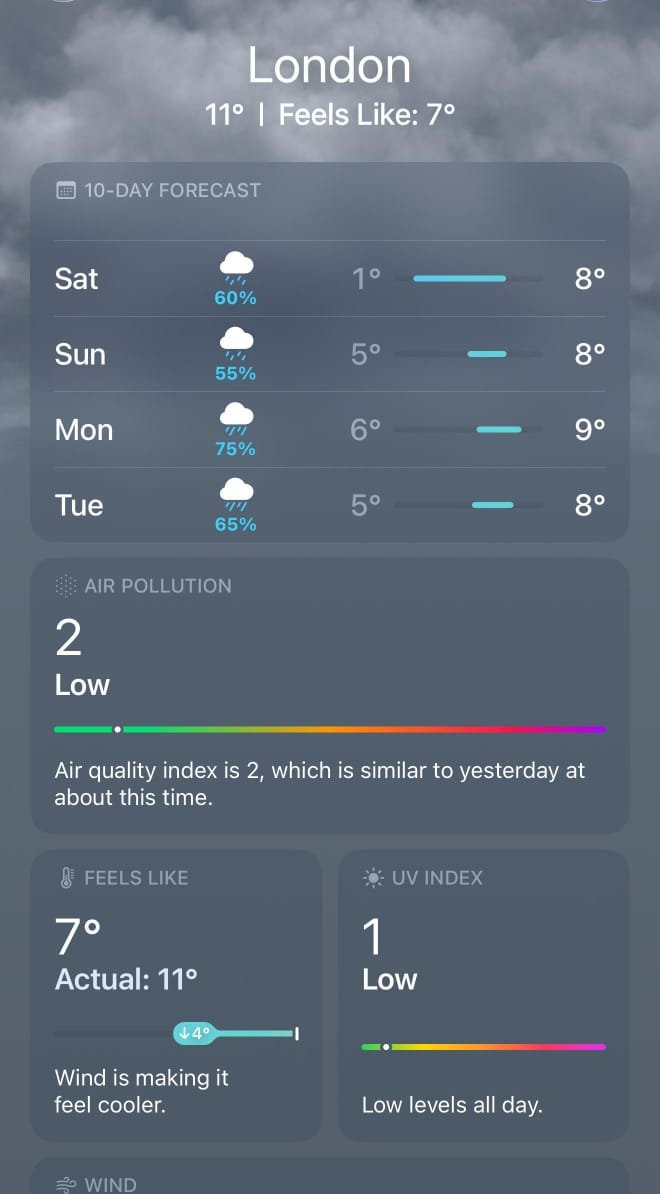
• London: A reading of 2 indicates generally clean conditions despite its dense urban environment.
• New Delhi: The outlier at 392, signaling severely polluted air, reduced visibility, and known respiratory hazards.
These numbers don’t simply describe air; they shape people’s days, decisions, and in some cases, their long-term health.
Broader Reflections
The side-by-side comparison of capital cities underscores a quiet yet powerful truth: global citizens do not breathe the same world.
Ottawa’s safety today is a reminder that policy, geography, climate, and collective behavior matter. Madrid’s fair category suggests a city balancing its bustling life with environmental pressure. Washington’s solid metrics speak to seasonal advantages and regulatory structures that keep pollution in check. London, despite being ancient, crowded, and industrial at its roots, has steadily improved through decades of reforms.
And then there is New Delhi — vibrant, historic, beloved — yet suffocating under layers of particulate matter, crop-burning residue, construction dust, and urban congestion. The contrast is not merely statistical; it is deeply human. While some children are playing in clean parks in Ottawa, others the same age in Delhi stay indoors, their schools installing air purifiers just to allow learning to continue.
Community Reaction
In Ottawa, the reaction has been one of quiet gratitude. Residents share screenshots, marveling at the “1” that almost looks unreal compared to global numbers. Social media brims with simple joys — morning walks, cycling routes, weekend hikes being planned spontaneously. It is as if, just for a moment, everyone collectively exhaled, savoring a gift often forgotten: clean air.
Meanwhile, people in cities like Delhi respond with a mix of frustration, resignation, and resilience. Some wear masks daily, not because of a pandemic, but because polluted air has become woven into the rhythm of life. Those in Madrid or London react with cautious acceptance — accustomed to fluctuating air quality but rarely seeing extremes. Washington residents sit somewhere in between, alert yet unfazed.
The global conversation that emerges is not one of blame, but of shared concern.
The Road Ahead
Ottawa’s clear skies today are a reminder, not a guarantee. The world is in the midst of rapid climatic and environmental transformations. Even historically “clean” cities have seen temporary spikes in pollution caused by wildfire smoke, temperature extremes, or unexpected atmospheric shifts. Vigilance matters.
Global comparisons highlight the urgency of coordinated efforts — urban planning, emission controls, green policies, and citizen awareness. Clean air cannot be a privilege limited to certain geographies; it must be a universal right.
As Ottawa enjoys a low-risk day, the responsibility is to learn, act, and remain aware. Cities, regardless of their current index on a particular morning, share the same planet, the same climate patterns, and ultimately, the same future.
A Final Reflection
Air is invisible until it becomes a threat — yet it sustains every heartbeat, every breath, every moment. Today, Ottawa’s AQHI of 1 tells a story of relief; New Delhi’s 392 tells a story of struggle. Somewhere between those two numbers lies a profound reminder of our interconnectedness. We inhale the world as it is — imperfect, beautiful, fragile — and exhale hope for what it can become.
May today’s clean-air moment inspire more vigilance, more compassion, and a greater commitment to caring not only for our own skies, but for the skies shared by millions across the globe.


Alright, vc666bet is on my radar. Gotta see what the fuss is all about. Maybe I’ll throw down a small bet and see how it goes first. vc666bet