








The Incident
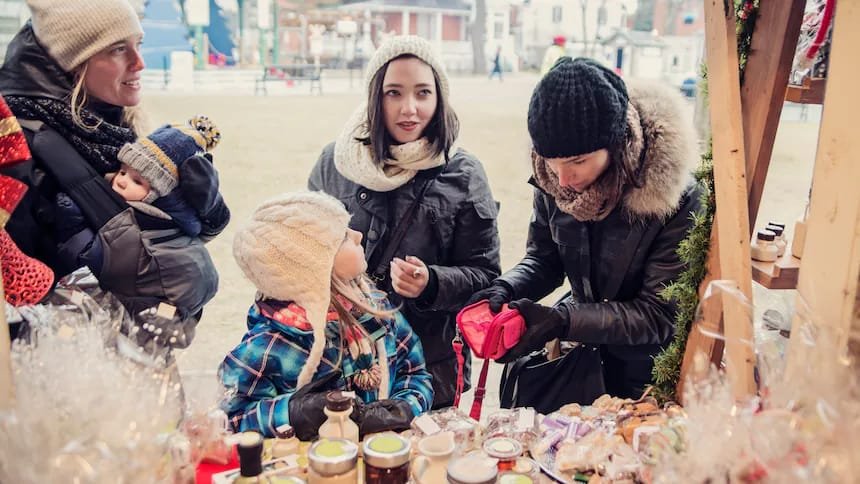
What began as a season of joy has taken a difficult turn for many small business owners. In recent weeks, vendors across the city have reported unusually low sales at Christmas markets — a direct result, they say, of an overwhelming surge in competing markets popping up across neighborhoods.
What once served as the economic heartbeat of December has, for some artisans, turned into a season of uncertainty.
“It feels like the bottom dropped out,” said Lena Hart, a candle-maker who relies on holiday markets for nearly half her annual income. “We’re showing up every day, but the crowds aren’t.”
Location & Context
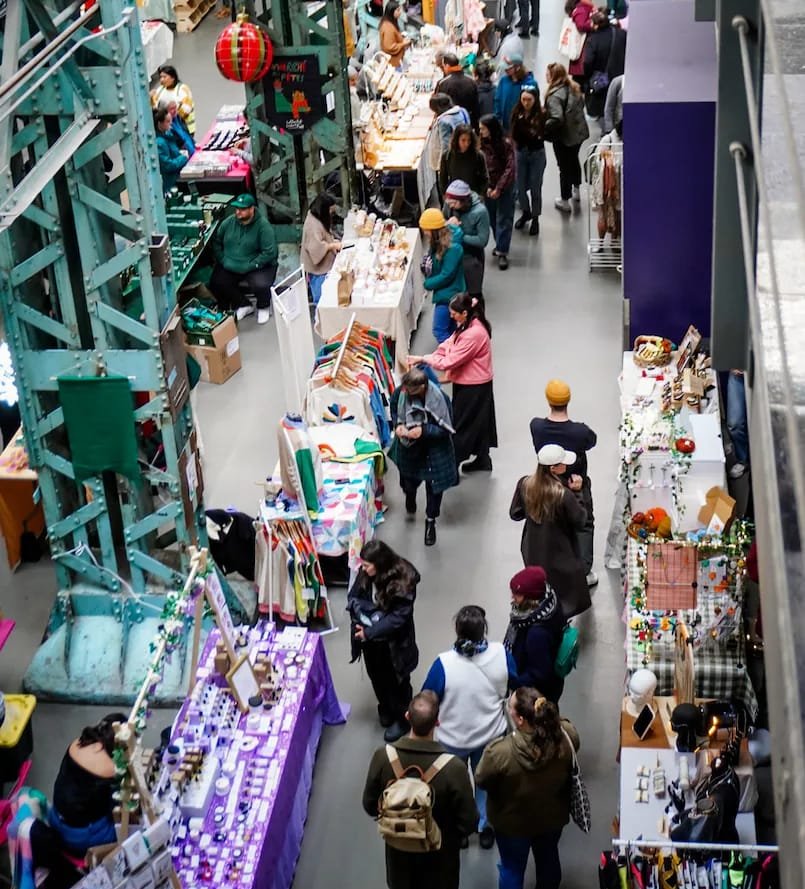
This year, the city has seen an unprecedented rise in holiday-themed events: boutique markets, pop-up winter villages, corporate-sponsored fairs, and semi-permanent artisan clusters.
From downtown plazas to suburban parking lots repurposed into “festive corners,” the landscape has become overcrowded.
The expansion, while intended to spread holiday cheer and attract local spending, has inadvertently dispersed shoppers too widely. Instead of concentrated foot traffic that once characterized major Christmas markets, attendance is now fragmented across dozens of smaller venues.
What Is Known So Far
Vendors report a 20–40% drop in sales compared to previous years. Market organizers, too, acknowledge that turnout has been softer than expected.
Some of the key factors emerging include:
– Market saturation, with too many venues competing for the same pool of holiday shoppers.
– Shorter customer dwell time, as visitors hop between markets rather than spending deeply in one place.
– Rising vendor fees, which remain unchanged even as revenue falls.
– Economic caution among shoppers, who are more budget-conscious this season.
For artisans who travel between markets, the strain is especially intense. “I’m paying for gas, stall fees, materials — everything — and getting a fraction of the return,” said Marcus Doyle, who sells handcrafted leather goods. “It’s heartbreaking.”
Broader Reflections
At the heart of the issue lies a deeper question about community traditions and commercialization.
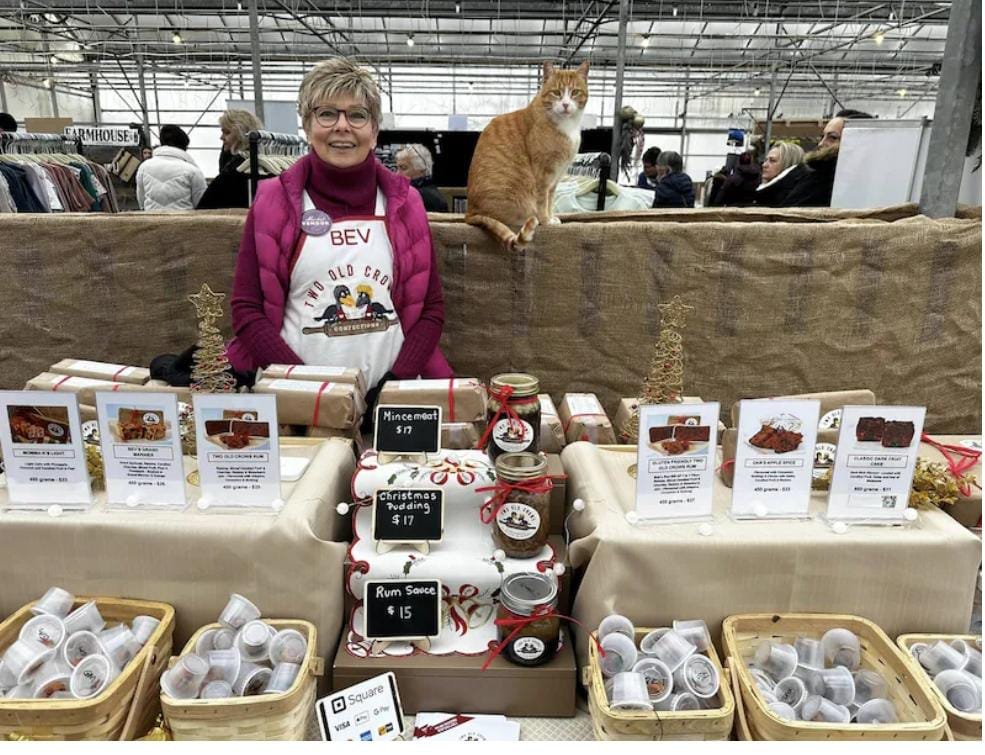
Christmas markets were once intimate spaces — a handful of stalls around a tree-lined square where neighbors greeted neighbors. But as the concept grew popular, so did the push to replicate it in as many places as possible.
What began as a celebration of local craft and culture has, in some corners, morphed into a seasonal business model driven by competition more than community.
Economists point out that holiday markets depend on scarcity and novelty: the sense that the experience is special, time-bound, and worth traveling for. When every block offers a version of the same event, that magic becomes diluted.
Community Reaction
Shoppers, too, are beginning to voice mixed feelings.
Some appreciate the convenience of having multiple neighborhood markets. Others admit feeling overwhelmed. “I used to look forward to one big market downtown,” said resident Aisha Nguyen. “Now I feel like I’m choosing between too many options — and sometimes I choose none.”
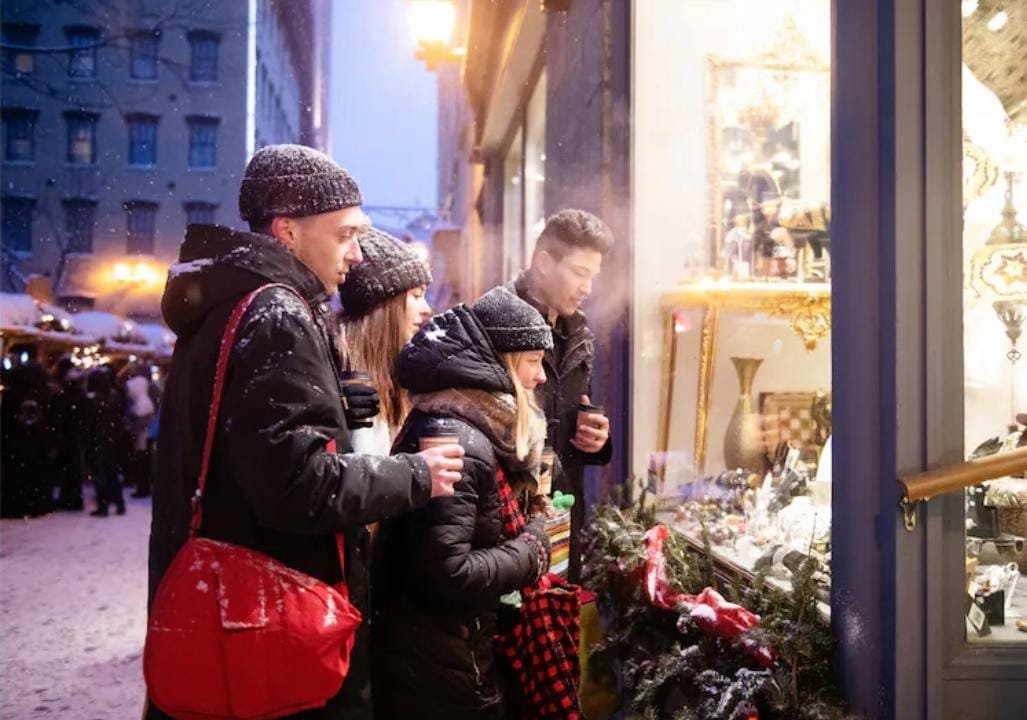
Local business advocates have expressed concern, noting that artisans are among the most vulnerable small-business owners. Many rely on these few winter weeks to support themselves through the early months of the next year, when retail typically slows.
City officials have begun informal discussions with organizers, exploring ways to better coordinate schedules and locations next season.
The Road Ahead
For now, vendors continue to show up each morning, bracing against cold winds and uncertain foot traffic, hoping that in the final stretch before Christmas, the crowds will return.
Some are calling for a more unified approach — fewer markets, better planning, shared promotion, and a renewed focus on supporting genuine small creators. Others simply hope that next year will bring more balance.
“People think we’re selling candles or scarves,” Hart said. “But what we’re really selling is months of work, late nights, and part of ourselves. We just want a fair chance to keep going.”

A Final Reflection
The struggles unfolding across this season’s markets are a reminder that even the most joyful traditions can mask quiet hardships. Behind each decorated stall is a person carrying both hope and worry, relying on the compassion and choices of strangers.
As the holidays approach, the story of these vendors urges us to slow down, look closely, and remember that supporting one small business — one maker, one neighbor — can ripple far beyond a single purchase. In a bustling season, a little attention and kindness can make all the difference.
Yo fam, ka9gamelogin is where it’s at. Super easy to get logged in and start playing. No hassles, just pure gaming. Get on in at ka9gamelogin.
Okay, aaajlcasinolegit are they for real Legit I say Always double-check before throwing your money around, yeah Find out more at aaajlcasinolegit.