









The Incident
A striking new leak of internal Canadian government documents suggests that Health Canada ignored urgent expert recommendations to expand access to a regulated, pharmaceutical-grade supply of drugs for people at risk of opioid overdose. According to these records, specialists urged broadening “safer supply” programs — including injectable and stimulant formulations — but their advice was set aside. Instead, federal support was scaled back when it was needed most.
Location & Context
The revelations come from Ottawa, where Health Canada, the federal department charged with public health oversight, has for years overseen pilot programs providing prescribed alternatives to street drugs. These harm-reduction initiatives — often called “safe supply” — were meant to give people a safer choice than the unpredictable and toxic illegal market.

Internal deliberations appear to have centered around the Expert Advisory Group on Safer Supply, a panel set up by Health Canada that included clinicians, researchers, and people with lived experience of drug use. According to the leaked documents, the group made clear, evidence-based proposals to scale up services. But by March 2025, the federal funding for many of these pilot programs expired, and no national program replaced them.
This comes amid an ongoing opioid overdose crisis in Canada: since 2016, more than 53,000 people have died from fatal drug poisonings, the majority linked to fentanyl and other synthetic opioids.
What Is Known So Far
Expert Advice Disregarded: Internal Health Canada documents show that experts pushed for a more expansive model of safer supply. They recommended access not just to mild opioid prescriptions, but to high-potency injectable formulations and even stimulants for users of non-opioid drugs.

Rejected Models: Among the models experts favored was a “compassion club” approach — community-driven organizations that distribute safer substances. These were reportedly rejected by Health Canada, despite some pilot projects showing promise in preventing overdoses.
Funding Lapsed: The documents indicate that the bulk of pilot funding for safer-supply projects ended in March 2025. As of now, no replacement national program has been rolled out.
Broader Debate: The issue is trending into political waters. While Health Canada frames safer-supply programs as one part of a wider response to the overdose crisis, critics argue that backing away from expert-backed harm-reduction efforts betrays a lack of seriousness.
Broader Reflections
Beyond policy debates and budget lines, this is a deeply human story of lives hanging in the balance. Safer supply, at its core, recognizes that for people using drugs, the risks are not just about addiction — they’re about survival in a world of poisoned, unpredictable substances.
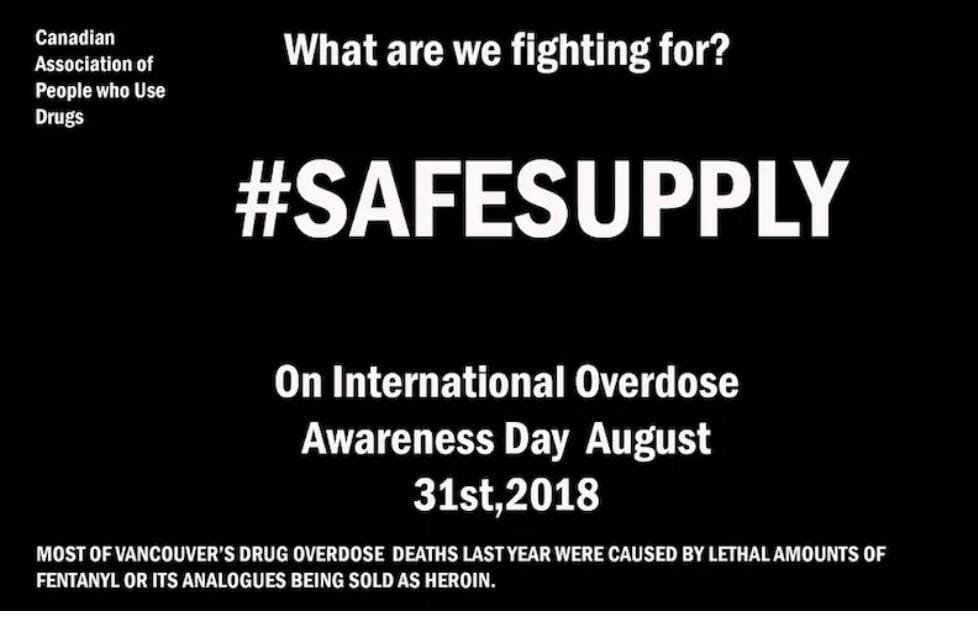
Researchers have demonstrated that regulated supply can make a real difference. A recent study showed that people receiving a prescribed, safer opioid supply had fewer emergency visits, lower risk of overdose, and better engagement with social and health supports — even when compared with traditional addiction therapies like methadone.
When experts who understand the science and the lived realities of drug use recommend scaling up harm reduction, but the machinery of government pushes back, it raises profound ethical questions. Whose voices count in policy? What risks are deemed acceptable, and who defines them?
Community Reaction
In communities already devastated by overdose deaths, the news of this policy reversal has sparked anger, heartbreak, and renewed calls for justice.
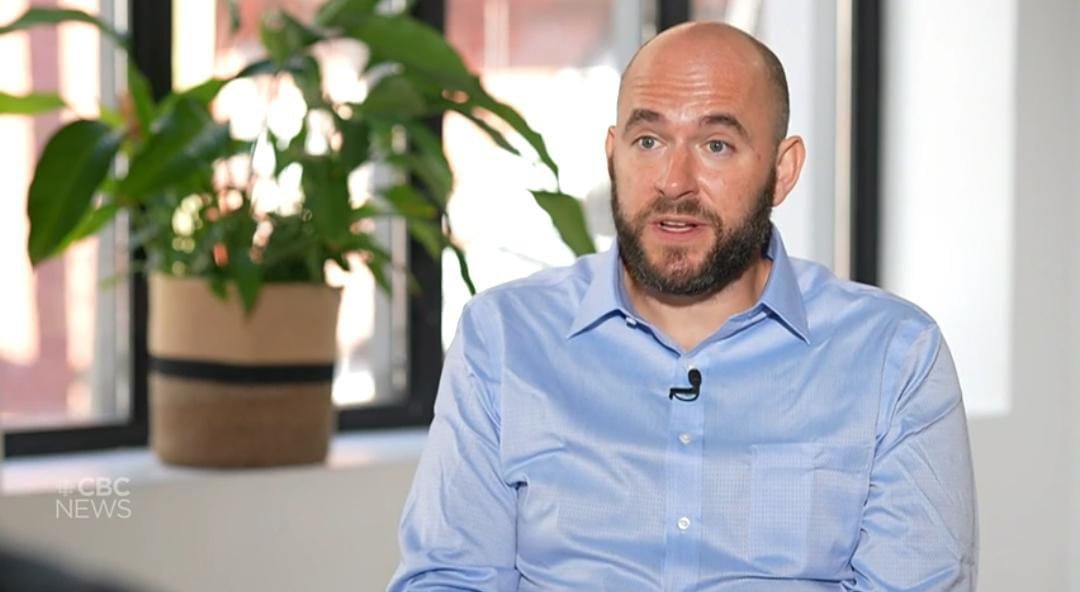
Advocates for people who use drugs have expressed dismay. For many, safer supply is not a controversial experiment — it is a lifeline. One user, identified only as “Felix” in a report, put it plainly: “If we ever hope to have capacity or to work on ourselves … we need to be given some grace.”
Public health and harm-reduction organizations are sounding alarms. They warn that the failure to act on expert advice risks abandoning the most vulnerable at a moment when they need help the most. Meanwhile, families of overdose victims, community outreach workers, and front-line harm-reduction staff see this as yet another failure to prioritize humanity over politics.
The Road Ahead
As the fallout from these revelations spreads, several paths forward are emerging:
1. Calls for Transparency: Citizens, advocacy groups, and opposition politicians are demanding that Health Canada publicly justify its decisions and release more of the internal deliberations that led to funding cuts.
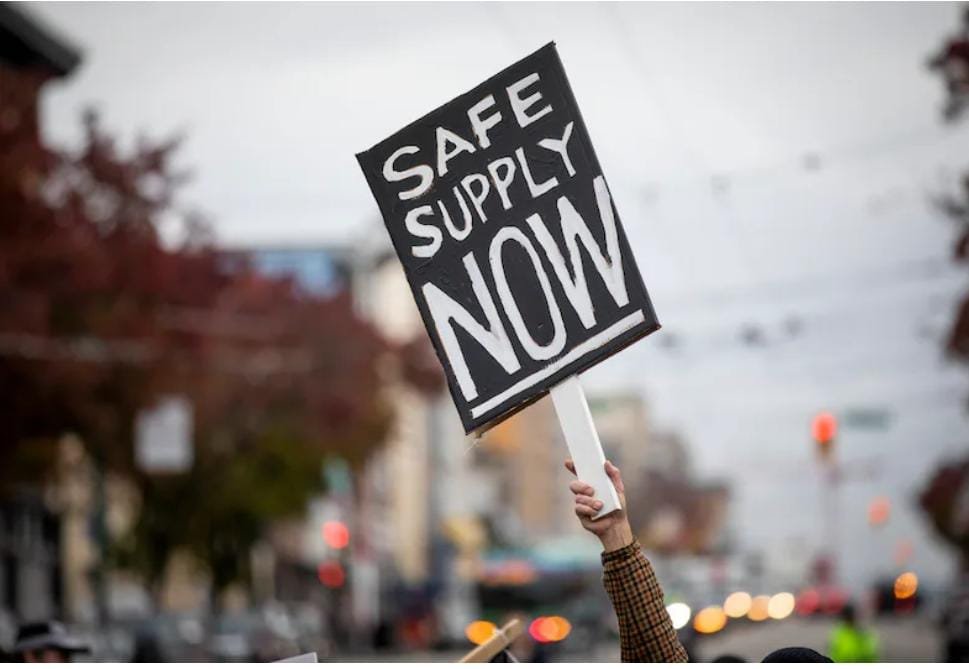
2. Advocacy for Funding Renewal: Harm-reduction organizations are pushing for the reinstatement and expansion of safer-supply programs, arguing they should be part of a national, sustained strategy rather than temporary pilots.
3. Policy Reform: Experts may press for structural changes — possibly legal reforms or regulatory adjustments — so that the voices of people with lived experience and science-driven advice carry more weight.
4. Community Mobilization: On the ground, grassroots harm-reduction groups are rallying to fill the gaps, even as their resources shrink. Their work may become even more critical if federal support remains limited.
Note
It is a reminder that lives — many of them fragile, marginalized, and frequently overlooked — depend on the decisions made in government boardrooms. When expert voices are sidelined, when compassion is weighed against ideology or optics, the cost is paid in human lives.
In everyday life, vigilance matters. Not just in watching how our institutions act, but in how we treat one another — with empathy, respect, and a readiness to support the most vulnerable. It is a lesson that perhaps the greatest safety net is built not by policy alone, but by a society that refuses to leave anyone behind.




One thought on “Revealed: Health Canada Overruled Experts on Expanding Safer Drug Access for Opioid Users, Internal Documents Show”