







A Crisis That Was Years in the Making
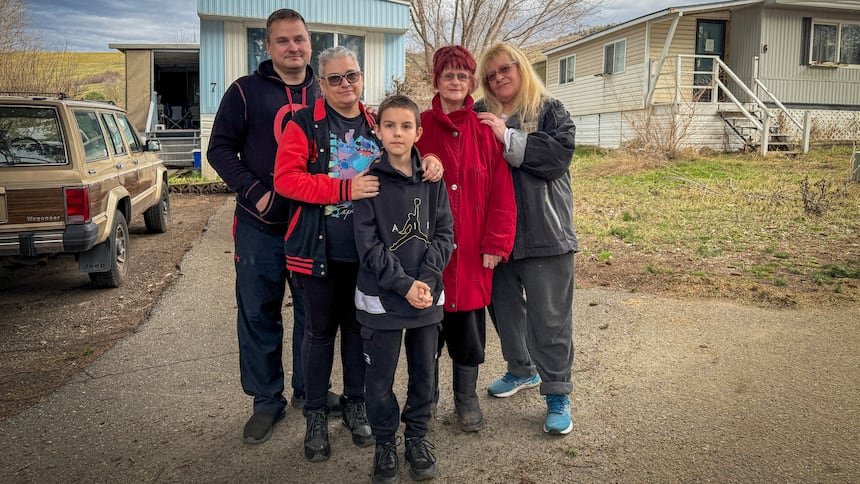
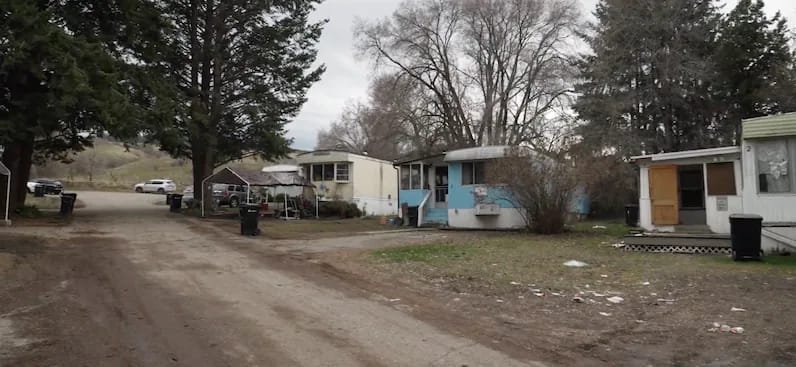
What’s unfolding at a mobile home park in Vernon, British Columbia, is not just an isolated infrastructure failure—it is the predictable result of a system that has long neglected its most vulnerable residents. When a landlord claims they cannot afford essential electrical repairs, the immediate reaction may be sympathy for financial constraints. But step back, and a more troubling reality emerges: basic living conditions are being treated as optional, rather than non-negotiable.
Electricity is not a luxury. It is the backbone of modern life—powering heat, refrigeration, medical devices, and communication. The idea that an entire community could lose access because repairs are “too expensive” exposes a deep flaw in how responsibility is distributed between property owners, tenants, and regulators.
When Ownership Comes Without Accountability
At the heart of this issue lies a contradiction: property ownership brings profit potential, but too often, it lacks enforced accountability. Landlords benefit from consistent rental income, yet in cases like this, the risks and consequences of underinvestment are transferred directly onto residents.
If a landlord cannot afford critical infrastructure maintenance, the question should not be “What can residents do?” but rather “Why is ownership allowed under these conditions in the first place?” Housing is not just an asset class—it is a public necessity. Allowing essential services to deteriorate to the point of shutdown suggests a regulatory gap that prioritizes ownership rights over human needs.
The Hidden Cost Paid by Residents
For residents, especially those in mobile home parks, the stakes are uniquely high. Unlike traditional renters, they often own their homes but rent the land beneath them. Relocation is not only costly—it is frequently impossible. This creates a power imbalance where tenants are effectively locked into a system they cannot easily escape.
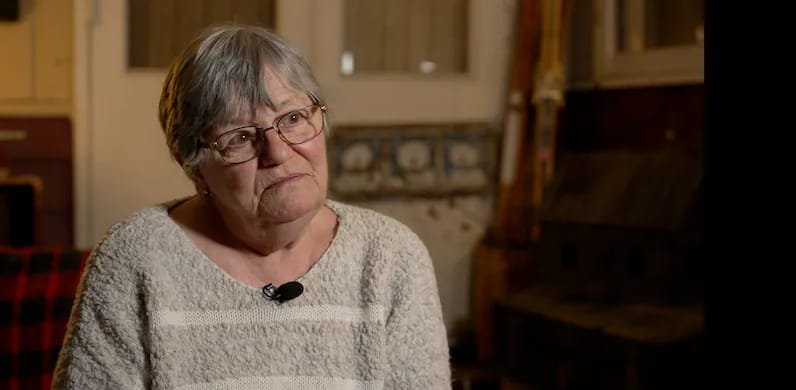
Consider the ripple effects of losing electricity: food spoilage, inability to heat homes during cold months, disruption to work-from-home arrangements, and serious health risks for those relying on powered medical equipment. These are not hypothetical inconveniences—they are immediate threats to well-being and dignity.
A Broader Pattern Across Affordable Housing
This situation is not unique to Vernon. Across North America, aging infrastructure in lower-cost housing communities is becoming a silent crisis. Mobile home parks, often seen as one of the last bastions of affordable housing, are particularly vulnerable because they operate on thin margins and receive limited oversight.
Yet affordability should never come at the cost of safety or habitability. When infrastructure fails in wealthier neighborhoods, repairs are swift and non-negotiable. The disparity in response reveals an uncomfortable truth: society often tolerates lower standards for those with fewer resources.
The Role of Government: Reactive or Responsible?
Situations like this demand more than temporary fixes or emergency interventions. Governments must decide whether they are merely reactive—stepping in when crises erupt—or proactive in preventing them altogether.
Stronger inspection regimes, mandatory maintenance reserves, and clear contingency plans for essential services should be standard. If a landlord cannot meet these requirements, mechanisms must exist to transfer ownership or provide public support before residents are put at risk.
Rethinking What “Affordable” Really Means
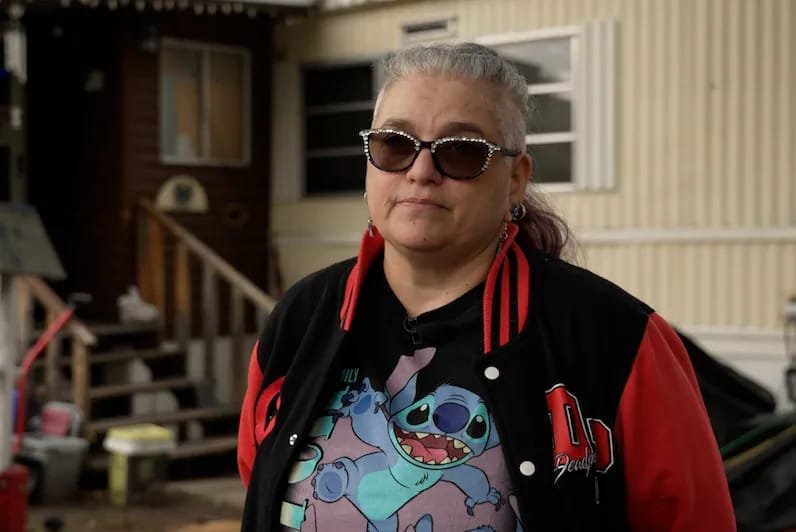
This crisis forces a necessary redefinition of affordability. True affordable housing is not just about lower rent—it is about stable, safe, and reliable living conditions. A home that can lose power indefinitely is not affordable; it is precarious.
The conversation must shift from cost alone to quality and security. Otherwise, we risk normalizing a two-tier housing system where some communities live with constant uncertainty.
A Test of Priorities
Ultimately, the Vernon mobile home park situation is a test—not just for one landlord or one municipality, but for broader societal priorities.