








A Dangerous Shift from Strategy to Escalation
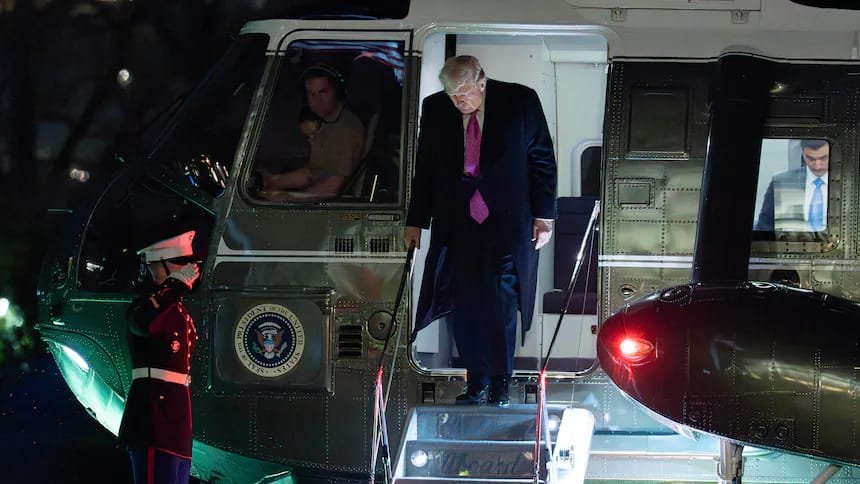
The possibility of U.S. ground troops entering Iran marks more than just another military option—it signals a fundamental shift from controlled engagement to unpredictable escalation. Reports indicate that Donald Trump is weighing scenarios ranging from targeted raids on nuclear facilities to seizing strategic assets like oil hubs and islands.
This is not a minor tactical adjustment. It is a leap into one of the most complex and volatile military theaters in the world. Unlike airstrikes or naval pressure, ground deployment carries a permanence—and a vulnerability—that history has repeatedly shown can spiral beyond initial intentions.
The Illusion of “Limited” Military Action
Supporters of intervention often argue that these operations would be “limited”—a surgical strike to secure uranium or disrupt infrastructure. But this idea is deeply flawed.
Consider the reported plan to send troops into fortified nuclear sites buried hundreds of feet underground. What begins as a short-term mission could quickly turn into a prolonged engagement due to resistance, terrain challenges, and the need for sustained security. Military experts have already warned such operations could take days or longer under hostile conditions.
History reinforces this reality. The U.S. entered Iraq in 2003 with expectations of a quick operation. Instead, it became a prolonged conflict lasting nearly a decade. Iran, with a larger population, more difficult geography, and stronger regional alliances, presents an even more complex challenge.
Iran Is Not Iraq — And That Matters
One of the most critical miscalculations in current discussions is treating Iran as a repeatable version of past conflicts.
Iran is geographically vast, militarily prepared, and deeply entrenched in regional networks. Any U.S. ground presence would face threats not only from Iranian forces but also from proxy groups across the Middle East. The idea of seizing key locations like Kharg Island, which handles the majority of Iran’s oil exports, has already been criticized as dangerously risky for American troops.
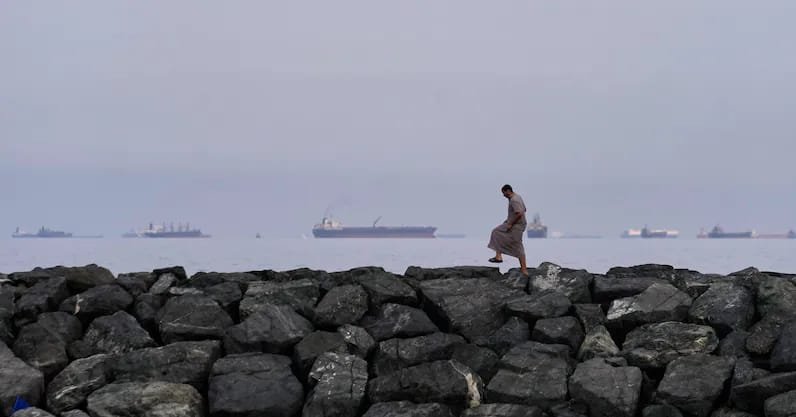
Moreover, Iran has demonstrated its willingness to retaliate asymmetrically—through missile strikes, cyber warfare, and disruption of global oil routes like the Strait of Hormuz. This transforms any localized operation into a potential global crisis.
Economic Fallout: The Hidden Battlefield
Military planners often focus on tactical success, but the economic consequences may prove far more devastating.
Even the threat of escalation has already caused oil prices to spike and raised fears of global economic slowdown. The Strait of Hormuz alone handles a significant portion of the world’s oil supply. Any disruption there doesn’t just affect the U.S. or Iran—it reverberates across economies from Europe to India.
The Guardian
For countries like India, heavily dependent on energy imports, such instability could translate into inflation, supply chain disruptions, and slowed economic growth. In this sense, the battlefield extends far beyond Iran—it becomes global.
Strategic Contradictions in U.S. Policy
What makes the situation even more concerning is the inconsistency in messaging. On one hand, Trump has publicly denied immediate plans for ground troops; on the other, military preparations and troop deployments continue.
This duality reflects a broader strategic ambiguity: is the goal deterrence, negotiation leverage, or outright military dominance?
When objectives are unclear, military actions tend to expand. A mission to secure uranium can evolve into regime pressure, which can escalate into long-term occupation. Without a clearly defined endgame, even limited troop deployments risk becoming open-ended commitments.
The Real Question: What Is Victory?
Perhaps the most overlooked issue is defining success. Is it dismantling Iran’s nuclear capabilities? Forcing political change? Securing oil routes?
Each objective requires a vastly different level of commitment—and risk.
If the goal is to eliminate nuclear threats, ground troops may only offer temporary disruption. If the aim is regime change, history suggests the cost—in lives, resources, and stability—would be immense. And if it is merely leverage for negotiations, then the risks of escalation may far outweigh the benefits.
Conclusion: Power Without Restraint Is Not Strategy
The consideration of ground troops in Iran is not just a military decision—it is a test of strategic discipline.
Power alone does not guarantee success. In fact, history shows that overreliance on military force, especially in complex regions, often leads to unintended consequences. The U.S. has the capability to deploy troops, but capability is not the same as wisdom.
The real challenge is not whether the U.S. can send troops into Iran—but whether it should. And based on the risks, contradictions, and global stakes involved, the answer demands far more caution than current discussions suggest.