









A Collision of Strategy, Not Just Markets
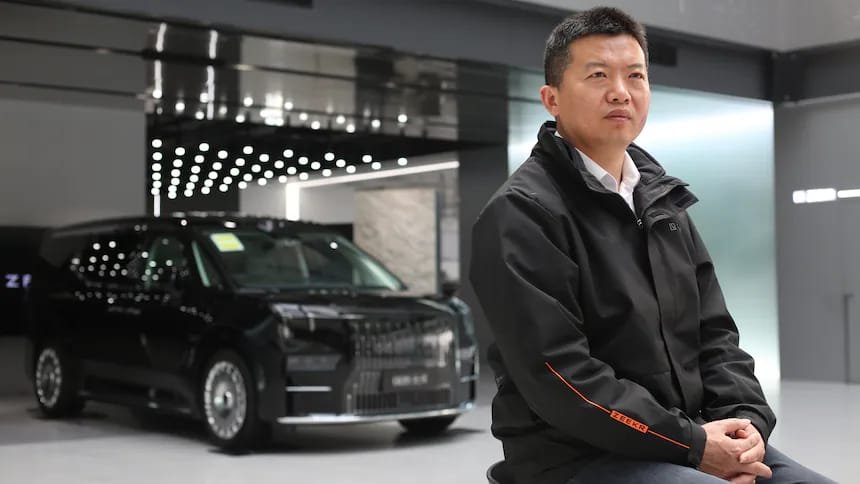
The global electric vehicle (EV) race is no longer a distant contest of innovation—it is an active, high-stakes realignment of economic power. China’s aggressive expansion in EV production and adoption is not simply about selling more cars; it is a calculated strategy to dominate the future of mobility. Meanwhile, Canada’s gradual shift toward welcoming foreign EVs—particularly from China—signals both opportunity and vulnerability. This is not just a trade story; it is a test of industrial foresight.
China’s EV Surge: Scale as a Weapon
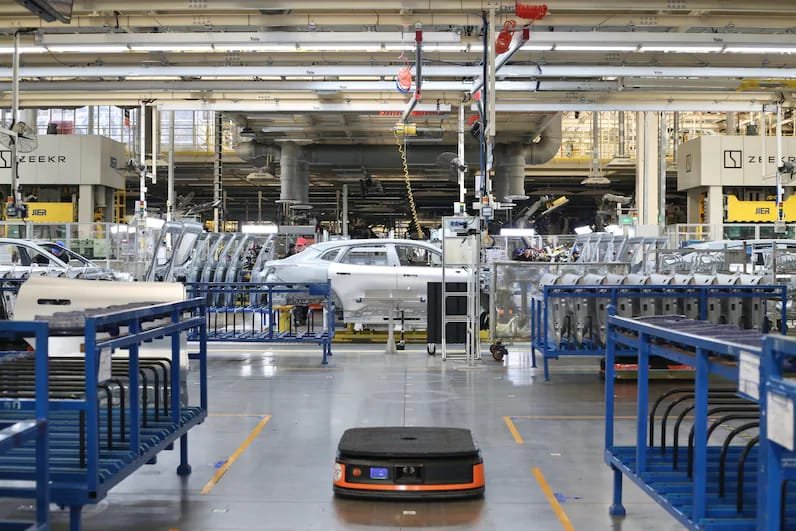
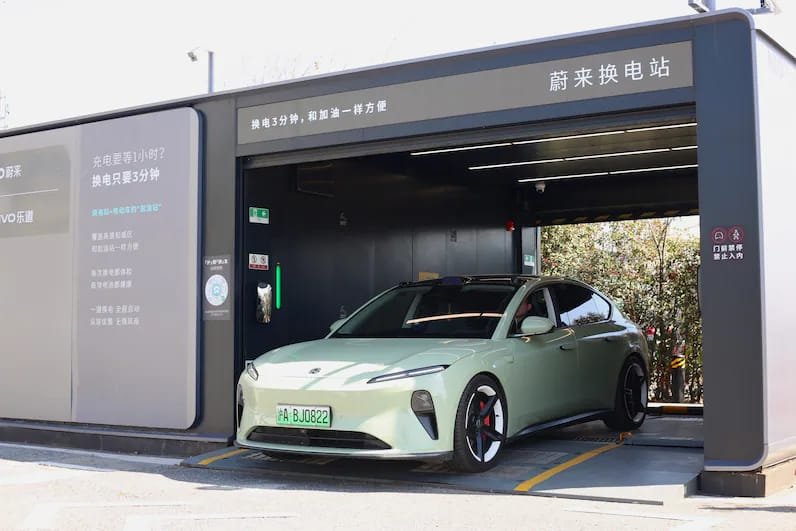
China’s rise in the EV sector is rooted in a simple but powerful advantage: scale. Companies like BYD and NIO are not merely competing—they are reshaping cost structures globally. Massive domestic demand, vertically integrated supply chains, and state-backed incentives have enabled China to produce EVs faster and cheaper than most Western competitors.
This is not accidental. China identified early that EVs would redefine the automotive sector and aligned policy, infrastructure, and manufacturing accordingly. The result? A domestic ecosystem where innovation is rapid, costs are suppressed, and adoption is normalized. In contrast, many Western markets are still debating timelines and subsidies.
Canada’s Opening: Opportunity or Dependency?
Canada’s willingness to integrate Chinese EVs into its market reflects a pragmatic need: accelerate the transition to cleaner transportation. With ambitious climate targets and a relatively smaller domestic auto manufacturing base, Canada cannot rely solely on local production to meet demand.
However, this openness raises a critical concern—dependency. Allowing a surge of affordable Chinese EVs into the Canadian market could undermine domestic and North American manufacturers. Companies like Tesla and General Motors may find themselves squeezed not by innovation gaps, but by price competition they are structurally unprepared to match.
Canada risks becoming a consumer market rather than a producer economy in the EV era—a shift with long-term implications for jobs, technological sovereignty, and economic resilience.
The Price Advantage That Changes Everything
The most disruptive element of China’s EV push is not technology—it is affordability. Chinese EVs often enter markets at significantly lower price points, making them accessible to a broader segment of consumers. For Canadian buyers facing high living costs, this is undeniably attractive.
But affordability comes with trade-offs. When price becomes the dominant factor, it can erode incentives for local innovation. Domestic firms may struggle to justify high R&D investments if they cannot compete on cost. Over time, this dynamic could hollow out Canada’s ability to build a competitive EV ecosystem of its own.
Infrastructure vs. Industry: A Strategic Imbalance
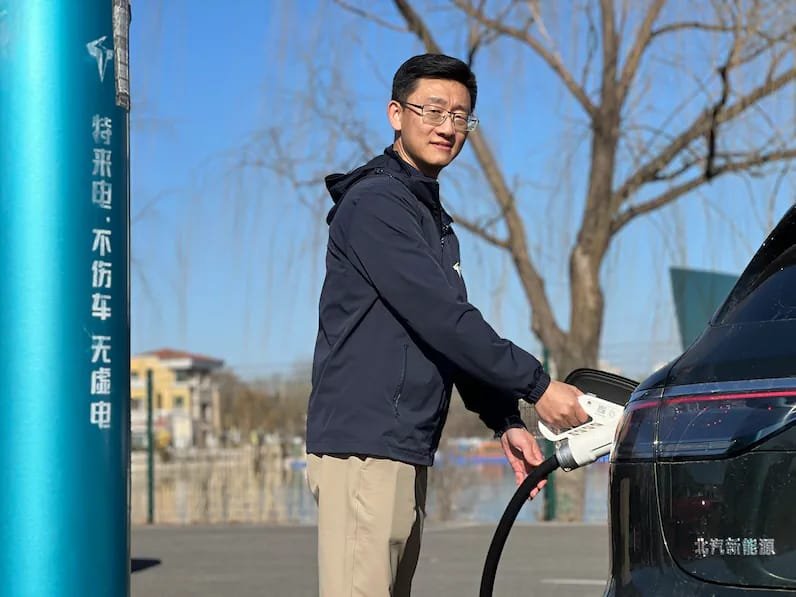
Canada has made notable progress in EV infrastructure—charging networks are expanding, and policy frameworks are evolving. Yet infrastructure without a strong domestic industry creates an imbalance. It facilitates adoption but does not guarantee economic benefit.
China, by contrast, has aligned infrastructure growth with industrial expansion. Every charging station supports domestically produced vehicles, reinforcing a self-sustaining cycle. Canada must ask itself: is it building an EV future for its economy, or merely enabling one for others?
The Geopolitical Undercurrent
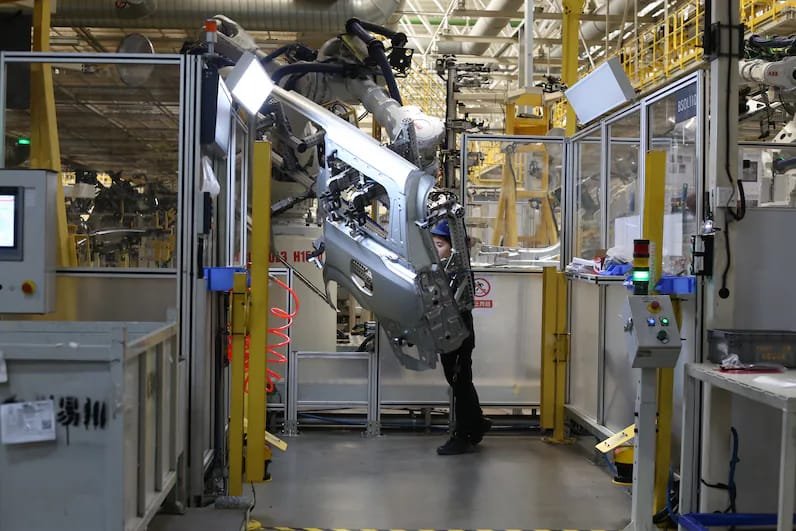
This shift is not occurring in isolation. The EV market is increasingly intertwined with geopolitics. Control over battery supply chains, rare earth minerals, and manufacturing capacity is becoming as strategic as oil once was.
Canada, rich in critical minerals, holds a valuable position in this new landscape. Yet without a strong domestic EV manufacturing strategy, it risks exporting raw materials while importing finished products—a pattern historically associated with economic dependency.
A Defining Moment for Policy and Vision
Canada’s approach to Chinese EVs should not be reactionary. It must be strategic. Protectionism alone is not the answer, but neither is unchecked openness. The challenge lies in balancing consumer benefits with long-term national interests.
This could mean targeted incentives for domestic production, partnerships that ensure technology transfer, or policies that level the competitive playing field. Without such measures, Canada may find itself locked into a subordinate role in the EV economy.
Conclusion: Beyond Cars, Toward Control
The intersection of China’s EV expansion and Canada’s market shift is about far more than vehicles—it is about control over the future of transportation. China has moved decisively, leveraging scale, policy, and vision to lead the transition. Canada now stands at a crossroads.
It can either shape its role in this new era or passively accept it. The difference will not be determined by how many EVs are sold, but by who builds them, who innovates them, and ultimately, who controls the road ahead.