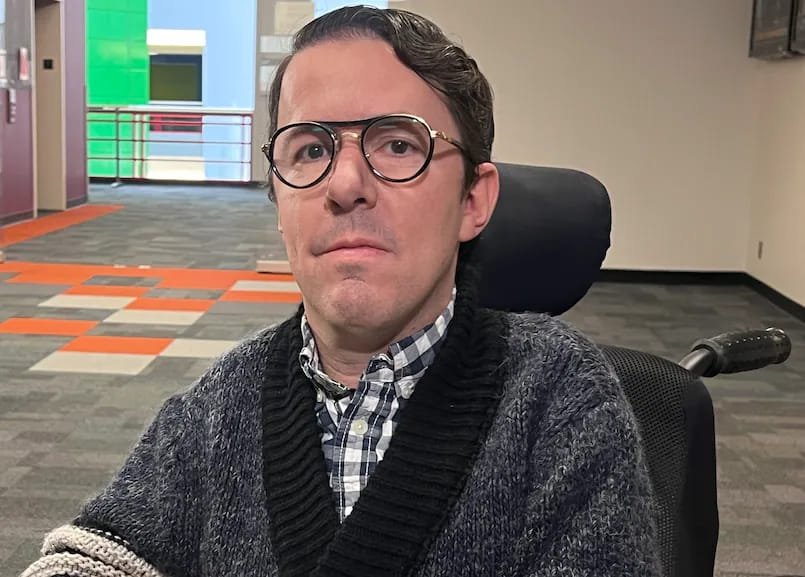
A Problem Uber Can No Longer Treat as “Isolated”
Uber has long marketed itself as a champion of accessibility and inclusion. Yet for many service dog users, that promise collapses the moment a driver sees a dog and cancels the ride. These aren’t rare misunderstandings or one-off bad actors — they are a pattern. And patterns, especially when repeated across cities, countries, and years, signal a systemic failure.
Service dog users are not asking for special treatment. They are demanding compliance with the law, respect for their dignity, and the basic right to move freely. When ride rejections become routine, the issue is no longer about individual drivers’ preferences; it’s about a platform that has failed to enforce its own rules.
This Is Not a “Driver Preference” Issue — It’s Discrimination
Let’s be clear: service dogs are not pets. In many countries, denying service to someone with a service dog is illegal. When Uber drivers reject these riders, they aren’t exercising personal choice — they are engaging in discrimination.
Uber often responds by stating that drivers are educated about service animal policies and that violations can lead to deactivation. But education without enforcement is meaningless. If drivers know they can cancel a ride with little consequence, the policy exists only on paper. A rule that is not enforced is not a rule — it’s a suggestion.
The Real-World Cost of a Cancelled Ride
For someone without a disability, a cancelled ride is an inconvenience. For a service dog user, it can be life-altering.
Missed medical appointments. Lost job opportunities. Being stranded late at night or in unsafe areas. Emotional distress from repeated rejection. These are not hypotheticals — they are real consequences reported again and again by disabled riders.
Mobility is independence. When Uber fails service dog users, it reinforces the very barriers technology is supposed to remove.
Why Apologies and Policies Aren’t Enough Anymore
Uber has issued statements. Uber has restated policies. Uber has promised improvements. Yet the complaints persist year after year. That persistence tells us something important: the current approach does not work.
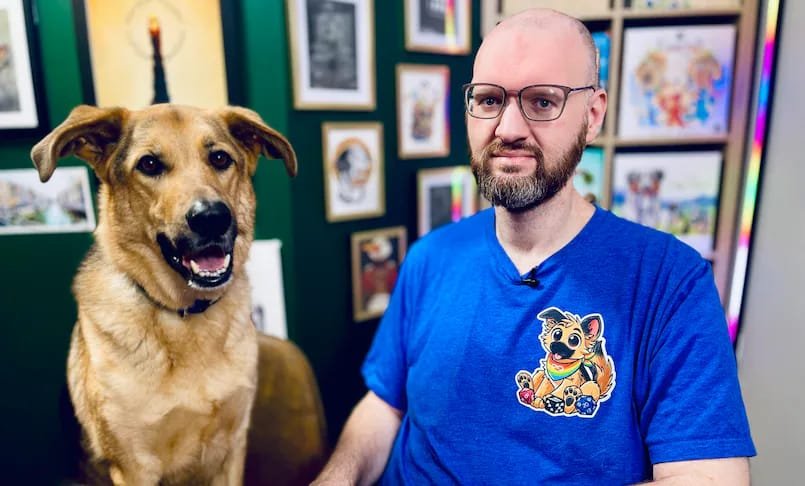
What’s missing is accountability built into the system itself. Riders shouldn’t have to report discrimination after the fact, reliving the experience and hoping it leads to action. The burden should not be on disabled users to prove their worthiness for a ride.
Technology excels at pattern detection. Uber knows which drivers frequently cancel rides after seeing service dogs. If the company can optimize surge pricing in real time, it can certainly identify discriminatory behavior and act decisively.
A Platform’s Values Are Measured by Its Enforcement
Uber likes to frame itself as a neutral marketplace connecting riders and drivers. But neutrality ends where civil rights begin. Platforms do not get to opt out of responsibility simply because they rely on independent contractors.
If Uber truly values accessibility, then drivers who repeatedly reject service dog users should face swift and automatic consequences — not warnings, not reminders, but removal from the platform. Anything less signals that discrimination is a tolerable cost of doing business.
Why This Matters Beyond Uber
This issue is bigger than one company. Uber is a bellwether for the gig economy. How it handles service dog discrimination sets a precedent for how technology platforms treat disabled people everywhere.
If accessibility is optional, then progress is fragile. If laws can be bypassed with an app update and a customer service form, then rights exist only in theory.
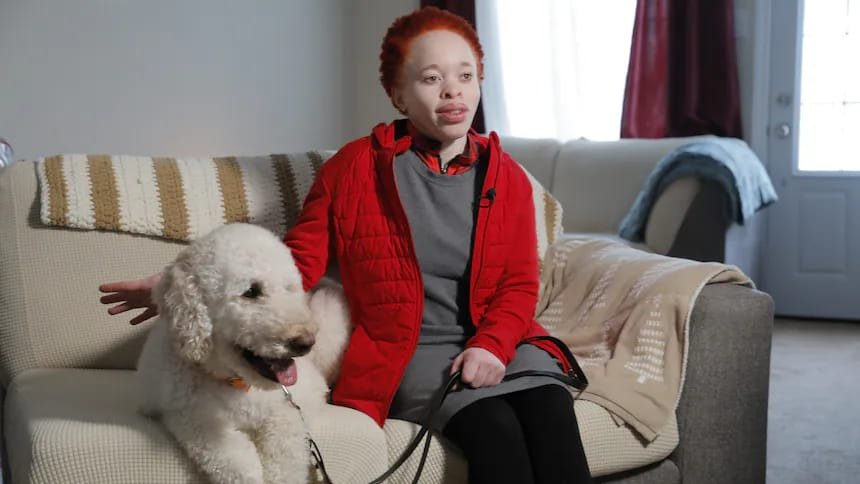
Enough Really Is Enough
Service dog users are not being unreasonable. They are being patient far longer than they should have to be. The frustration we’re seeing now is not outrage — it’s exhaustion.
Uber has the tools, the data, and the power to fix this problem. What remains in question is whether it has the will. Because at this point, continued ride rejections are no longer a failure of awareness. They are a failure of leadership.
And that is something no amount of branding can cover up.
About the Author