








A Bandage on a Chronic Wound
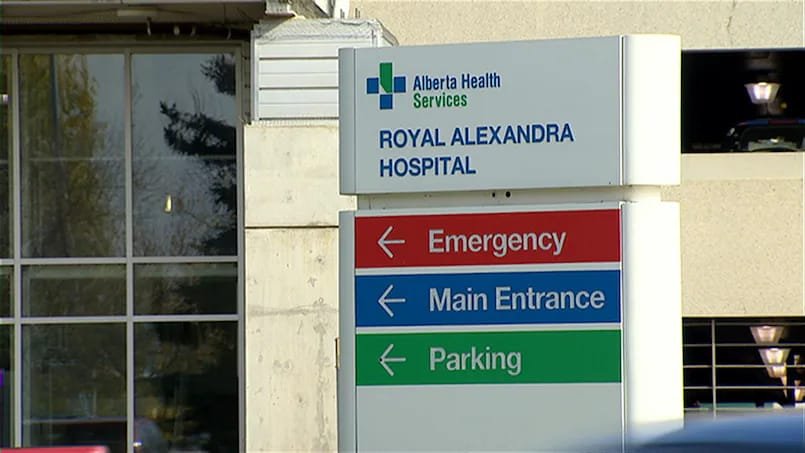
Alberta’s plan to introduce triage liaison physicians (TLPs) into emergency departments has been welcomed by many frontline doctors—and rightly so. Any measure that helps patients get assessed faster and reduces dangerous wait times deserves support. But let’s be clear: this policy is not a solution to Alberta’s emergency room crisis. It is a tactical adjustment to a deeply strategic failure.
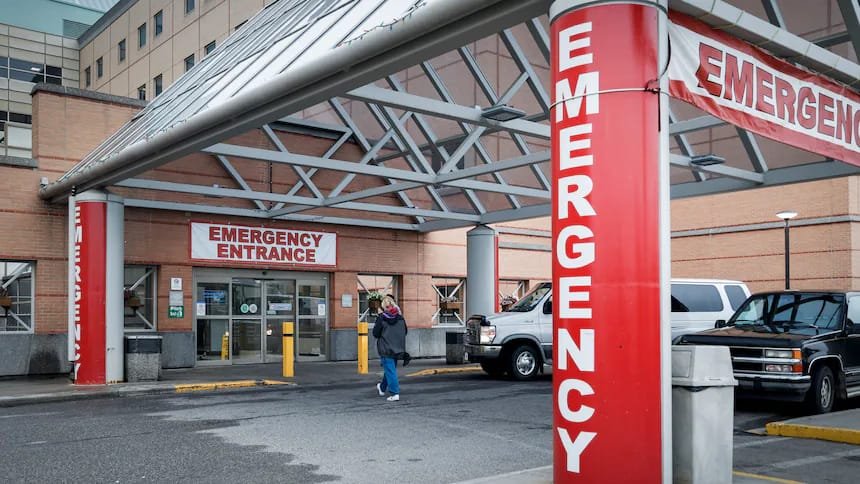
TLPs may improve patient flow at the front door of the ER, but they do nothing to address why the waiting room is overflowing in the first place. Treating ER congestion as a triage problem rather than a system-wide breakdown risks confusing symptom management with real reform.
Why Triage Liaison Physicians Will Help
The logic behind TLPs is sound. Having an experienced physician at triage can lead to faster decision-making, early investigations, and quicker discharges for low-acuity patients. In some cases, it can prevent deterioration by identifying serious conditions sooner. Countries like Australia and hospitals in parts of the U.S. have used similar models with measurable gains in efficiency.
From a clinician’s perspective, this matters. Every hour shaved off a wait time reduces patient anxiety, medical risk, and staff burnout. In that sense, TLPs are a rational and evidence-informed move.
But efficiency at triage is only meaningful if there is somewhere for patients to go next.
The Real Problem: The ER Is Doing Everyone Else’s Job
Emergency rooms in Alberta are not overwhelmed because doctors can’t triage fast enough. They’re overwhelmed because the ER has become the default destination for failures elsewhere in the health-care system.
Patients who can’t find family doctors end up in the ER. Seniors who should be in long-term care occupy acute-care beds. Mental health patients wait days in emergency departments because there’s nowhere else for them. Ambulances line up outside hospitals because inpatient beds are full.
In this context, faster triage is like speeding up airport security while all the planes are grounded. You move people forward—only to hit another bottleneck.
Staffing Shortages Undermine the Promise
There’s also an uncomfortable contradiction at the heart of the policy: Alberta is short on doctors. Assigning physicians to triage means pulling them from other clinical roles. Without a parallel plan to recruit, retain, and stabilize the workforce, TLPs risk becoming a shell game—moving scarce expertise around without increasing overall capacity.
For rural hospitals and smaller urban centres, this is especially concerning. If TLPs become a standard expectation, facilities already struggling to staff basic ER shifts may be pushed even closer to the brink.
Political Optics vs. Structural Reform
The appeal of triage liaison physicians is political as much as clinical. They are visible, easily branded, and can be announced as “action.” Structural reforms—such as expanding primary care access, reopening closed hospital beds, investing in long-term care, and rebuilding trust with physicians—are slower, costlier, and less headline-friendly.
But health-care crises are not solved by optics. They are solved by unglamorous, sustained investment in the full continuum of care.
What a Real Solution Would Look Like
If Alberta truly wants to fix emergency departments, triage reform must be paired with:
- Universal access to primary care, so non-emergency patients don’t default to the ER
- Expanded inpatient and long-term care capacity, to free up hospital beds
- Robust mental health and addictions services, available outside hospital walls
- Physician retention strategies, not just redistribution of existing staff
Without these, ERs will remain the pressure valve for every unresolved health policy failure.
A Useful Tool—If We’re Honest About Its Limits
Triage liaison physicians are not the enemy. They are a practical, limited tool that can make bad days slightly less dangerous. But presenting them as a meaningful fix to Alberta’s ER crisis risks complacency—and complacency is costly in health care.
Doctors are right to support the initiative and to warn that it’s not enough. The real crisis is not at triage. It’s in a system stretched so thin that emergency rooms are asked to hold it together alone.
Until Alberta confronts that reality, no amount of triage reform will stop the waiting rooms from filling up again tomorrow.