







A Strategic Wake-Up Call, Not a Provocation
Denmark’s decision to reinforce its troop presence in Greenland is being framed by some as a direct challenge to Donald Trump and his long-standing fascination with the Arctic island. But this move is less about antagonizing a former U.S. president and more about asserting sovereignty in a rapidly militarizing Arctic. In reality, Denmark is doing what responsible states do when geopolitical ambiguity turns into strategic risk: it is drawing clear lines before others redraw them for you.
This is not escalation for escalation’s sake. It is preemption rooted in realism.
Greenland Is No Longer a Backwater—It’s a Geopolitical Prize
For decades, Greenland existed on the periphery of global power politics. Climate change has ended that era. Melting ice has unlocked new shipping routes, exposed untapped mineral resources, and elevated the Arctic into a frontline theater of competition among the U.S., Russia, and China.
Trump’s 2019 suggestion to “buy” Greenland—dismissed at the time as outlandish—was actually a blunt articulation of a widely shared strategic truth: Greenland matters. What Denmark has done now is respond not to Trump the individual, but to the logic his comments exposed. If major powers are thinking seriously about Greenland’s future, Denmark cannot afford complacency.
Troops, in this context, are not about war. They are about relevance.
Sovereignty Requires Visibility, Not Just Legal Claims
Denmark technically controls Greenland, but sovereignty is not sustained by paperwork alone. In the modern geopolitical environment, especially in contested regions, sovereignty must be visible, credible, and enforceable.
By reinforcing its military presence, Denmark is sending a message to all actors—not just the United States—that Greenland is not an open chessboard. This mirrors real-world examples elsewhere: Canada has increased Arctic patrols, Norway has expanded northern defenses, and Russia has heavily militarized its Arctic coastline. Denmark’s move is late, if anything, not aggressive.
Silence and absence invite pressure. Presence deters it.
Why This Raises the Stakes for Trump Specifically
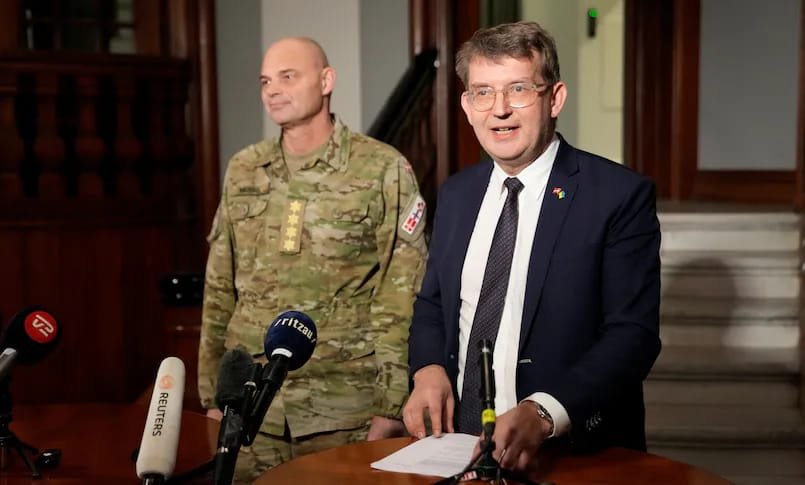
Trump thrives on ambiguity and leverage. His Greenland rhetoric was effective precisely because Denmark’s posture at the time appeared passive. Reinforcing troops removes that ambiguity. It narrows Trump’s room for symbolic pressure, transactional bargaining, or nationalist grandstanding.
This matters politically. Trump’s foreign policy style favors bold claims over institutional processes. Denmark’s move forces any future U.S. administration—Trump-led or otherwise—to engage Greenland through diplomacy rather than spectacle. That is a subtle but powerful constraint.
In short, Denmark has shifted the terrain from personality-driven politics to state-to-state reality.
Greenland’s People Are the Silent Stakeholders
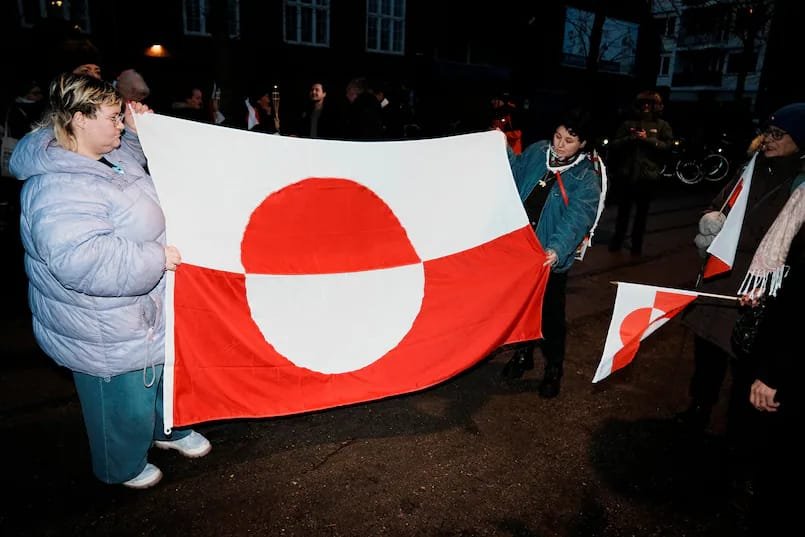
Often overlooked in this debate are Greenlanders themselves. Increased military presence is controversial, but so is being treated as an object of negotiation between distant capitals. Denmark’s action, if paired with genuine political and economic investment in Greenlandic self-governance, could actually strengthen local agency.
The alternative—external powers circling while Denmark hesitates—would leave Greenlanders with even less control over their future. Strategic neglect is not neutrality; it is abdication.
Conclusion: A Necessary, If Uncomfortable, Assertion
Denmark reinforcing troops in Greenland is not about provoking Trump or dramatizing tensions. It is about acknowledging a new geopolitical reality and acting accordingly. The Arctic is no longer quiet, and pretending otherwise is strategic malpractice.
By acting now, Denmark has raised the stakes—but also clarified them. And in geopolitics, clarity is often the most stabilizing force of all.