







Horror Isn’t Just Back — It’s Evolving
For years, horror has been declared “back,” but 28 Years Later: The Bone Temple signals something more decisive: horror has matured into one of cinema’s most intellectually and emotionally ambitious genres. This film doesn’t merely aim to scare; it aims to confront. In doing so, it positions itself not just as another entry in a beloved franchise, but as a defining cinematic statement for the year.
Where many modern horror films rely on either nostalgia or shock value, The Bone Temple understands that true terror comes from relevance. Fear hits hardest when it reflects the world we live in — and this film appears to grasp that better than most.
The Power of Time as Horror
What makes the 28 franchise unique is not the infected, the violence, or the desolation — it’s time. Jumping nearly three decades forward isn’t a gimmick; it’s the core of the horror. Time transforms trauma into culture, survival into ideology, and fear into tradition.
The Bone Temple suggests a society that hasn’t healed but instead ritualized catastrophe. That’s a chillingly modern idea. In the real world, we don’t just survive disasters — we build myths, systems, and institutions around them. Horror rooted in long-term consequences feels far more unsettling than apocalyptic chaos alone, and this film seems poised to exploit that truth with precision.
Horror as Social Archaeology
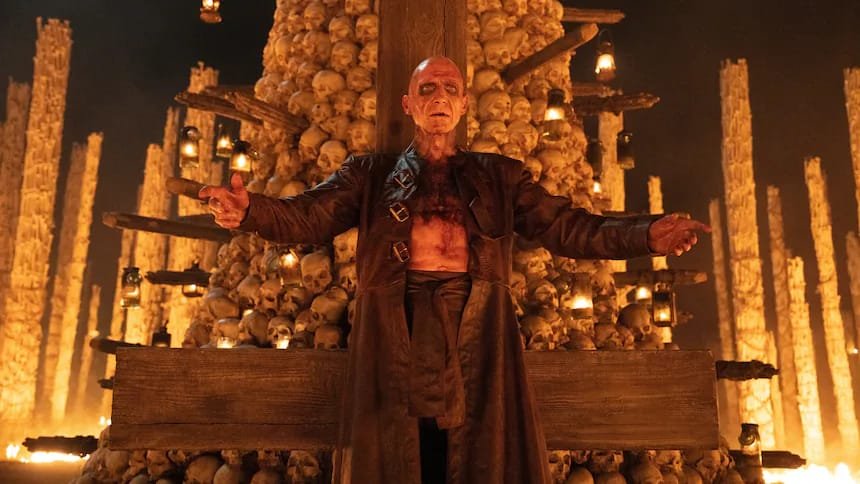
Unlike many sequels that expand lore for spectacle, The Bone Temple appears to dig downward, not outward. Its premise hints at a civilization shaped by remnants of violence — bones, structures, beliefs — turning horror into a form of social archaeology.
This mirrors real human behavior. After wars, plagues, and collapses, societies don’t reset; they layer. Trauma becomes architecture. Memory becomes law. The idea that a post-collapse world would worship, fear, or organize itself around the physical remains of past horrors is not far-fetched — it’s historically accurate.
That realism is what elevates the film. It doesn’t ask, “What if everything went wrong?” It asks, “What if we learned the wrong lessons from it?”
Rejecting Cheap Nostalgia
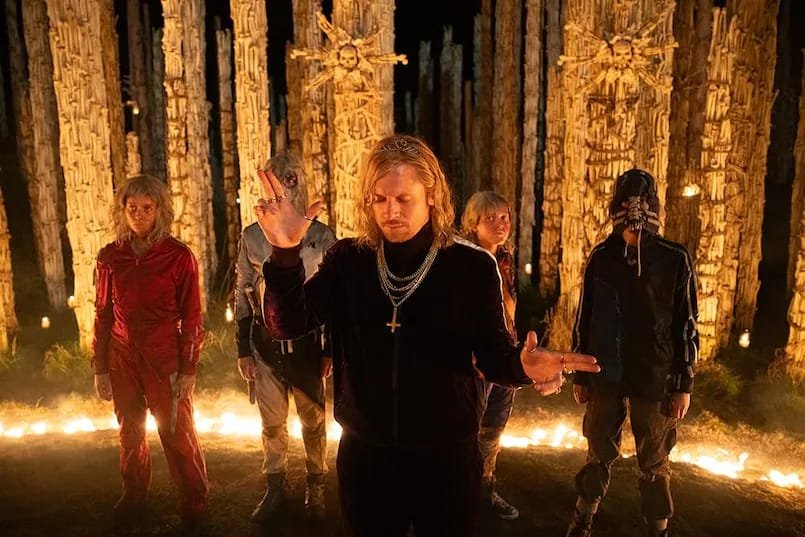
One of the boldest strengths of 28 Years Later: The Bone Temple is its apparent refusal to rely on nostalgia as a crutch. Instead of replaying familiar beats, it reframes the franchise’s DNA for a different generation — one raised on inherited crises rather than sudden ones.
This approach respects the audience. It assumes viewers are capable of engaging with slow-burn dread, moral ambiguity, and uncomfortable ideas. In an era where many franchise revivals feel sanitized or self-referential, The Bone Temple seems intent on doing something riskier: moving forward without apology.
Why This Film Matters Right Now
Horror thrives when society is uncertain, and we are living in an age defined by prolonged instability — pandemics, climate anxiety, political fragmentation. The Bone Temple doesn’t just exist alongside these anxieties; it metabolizes them.
The idea of a world still shaped by an old disaster speaks directly to modern life, where past crises never truly end — they echo, mutate, and resurface. That thematic resonance gives the film weight beyond entertainment. It becomes a mirror, not an escape.
Setting the Bar, Not Chasing It
What ultimately sets 28 Years Later: The Bone Temple apart is ambition. It doesn’t aim to be the scariest movie of the year in a superficial sense. It aims to be the most consequential.
If successful, it will raise expectations for what horror sequels — and horror films in general — can accomplish. Not louder screams, but deeper silence. Not bigger monsters, but more unsettling ideas.
That’s why this film isn’t just another horror release. It’s a line in the sand. And for the genre, it may well be the standard everything else is judged against this year.