









A Defense Deal That Is Really an Industrial Policy Decision
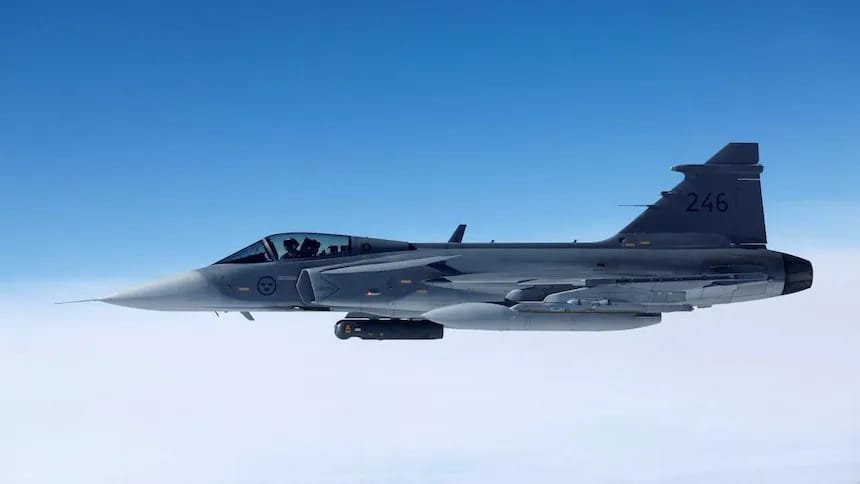
Saab’s proposal to sell Canada 72 Gripen fighter jets and six GlobalEye airborne early warning aircraft is not merely a military procurement offer—it is a direct challenge to how Canada thinks about sovereignty, industry, and long-term national power. By tying the deal to a promise of 12,600 Canadian jobs, Saab reframes defense spending from a sunk cost into a strategic investment. The real question is not whether Canada needs new aircraft—it unquestionably does—but whether it is willing to leverage defense procurement to rebuild its aerospace and defense-industrial base.

Jobs Are Not a Side Benefit—They Are the Point
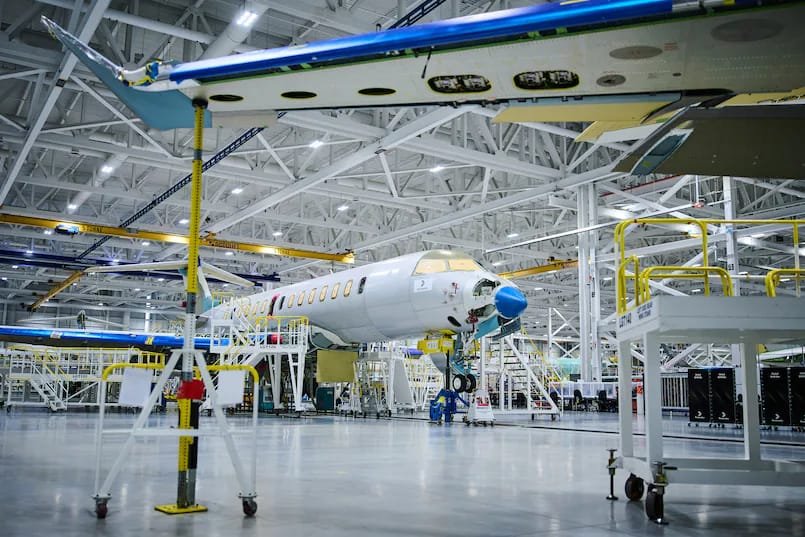
Canada has a long history of buying foreign military equipment while exporting jobs, intellectual property, and industrial leverage along with the purchase. Saab’s pitch breaks from that tradition. A commitment of 12,600 jobs implies not just assembly-line work, but engineering, systems integration, maintenance, and long-term sustainment roles. These are high-skill, high-wage jobs that anchor regional economies and generate secondary employment across supply chains.
Countries that take defense industrial policy seriously—such as Sweden, South Korea, and increasingly Japan—use procurement as a tool to maintain technological competence. Canada, by contrast, often treats defense buying as a transactional exercise. Saab is effectively arguing that Canada should stop thinking like a customer and start thinking like a partner.
The Gripen Is a Strategic Fit for Canada’s Reality
Critics often focus on prestige platforms or alliance optics, but Canada’s defense challenges are practical: Arctic sovereignty, vast distances, limited basing infrastructure, and budgetary constraints. The Gripen was designed for exactly these conditions—operating from dispersed bases, requiring lower maintenance hours, and remaining affordable over its lifecycle.
This matters because acquisition cost is only a fraction of what Canada will pay over 40 years of service. A platform that is cheaper to operate frees resources for pilot training, readiness, cyber defense, and Arctic infrastructure. Capability that cannot be sustained is not capability at all.
GlobalEye: The Quiet Force Multiplier Canada Actually Needs
The inclusion of six GlobalEye aircraft is arguably more significant than the fighters themselves. Canada’s greatest defense weakness is not firepower—it is awareness. Monitoring the Arctic, maritime approaches, and airspace requires persistent, long-range surveillance. GlobalEye offers precisely that, acting as an airborne command node that multiplies the effectiveness of every fighter, ship, and ground unit it supports.
In an era of increased Russian and Chinese activity in the Arctic, situational awareness is deterrence. You cannot defend what you cannot see.
Strategic Autonomy in an Uncertain World
Recent global disruptions—from supply-chain shocks to geopolitical realignments—have exposed the risks of overdependence on single suppliers. Saab’s offer of technology transfer and industrial participation gives Canada leverage, resilience, and autonomy. It does not sever alliance ties; it strengthens them by making Canada a more capable and self-reliant partner.
True alliance value is not measured by what you buy, but by what you contribute. A domestically embedded aerospace capability enhances NATO and NORAD, rather than weakening them.
The Real Test: Political Courage
The greatest obstacle to this deal is not technical or financial—it is political inertia. Big defense decisions are often delayed, diluted, or defaulted to “safe” choices that preserve appearances but sacrifice long-term national interest. Accepting Saab’s proposal would require Canada to openly state that jobs, industrial capacity, and sovereignty matter as much as alliance symbolism.
That is not a radical position. It is a responsible one.
Conclusion: More Than Jets—A Choice About Canada’s Future
Saab’s proposal forces Canada to confront a fundamental choice: continue outsourcing national capability, or use defense spending to build enduring economic and strategic strength. The promise of 12,600 jobs is not a marketing gimmick—it is a statement about what defense policy can achieve when aligned with national priorities.
This deal is not about Sweden versus anyone else. It is about whether Canada sees itself as a passive buyer of security or an active architect of its own future.