







A Decision That Raises More Questions Than It Answers
Daily Bread’s decision to end its partnership with the Scarborough food bank after reporting financial concerns to police may appear, on the surface, to be an act of responsibility and due diligence. Accountability matters—especially when public trust and donor money are involved. But when viewed through the lens of community impact, this move reveals a deeper, more uncomfortable truth: in the pursuit of institutional self-protection, the most vulnerable are often left to pay the price.
Accountability Should Not Mean Collective Punishment
No one disputes that financial irregularities must be investigated. Transparency is essential in the nonprofit sector. However, cutting off an entire food bank that serves a struggling community before investigations are complete risks conflating alleged mismanagement with the mission itself. The people lining up for food are not responsible for accounting failures. Yet they are the first to feel the consequences when funding or supply lines are severed.
In effect, Daily Bread’s action shifts the burden of internal governance failures onto low-income families, seniors, and newcomers—people who already live on the margins. Accountability mechanisms should target leadership and systems, not dismantle essential services overnight.
Power Imbalance in the Charity Ecosystem
This situation exposes a rarely discussed reality: large umbrella organizations wield enormous power over smaller, community-based groups. When a dominant institution like Daily Bread pulls support, it can cripple a local food bank instantly. This imbalance raises ethical concerns. Is it responsible stewardship, or is it a form of institutional overreach that prioritizes reputation management over community welfare?
In the corporate world, when a subsidiary faces allegations, operations are often stabilized while investigations proceed. Why should the nonprofit sector—built on compassion—operate with less care for continuity?
The Community Cost of Zero-Tolerance Responses
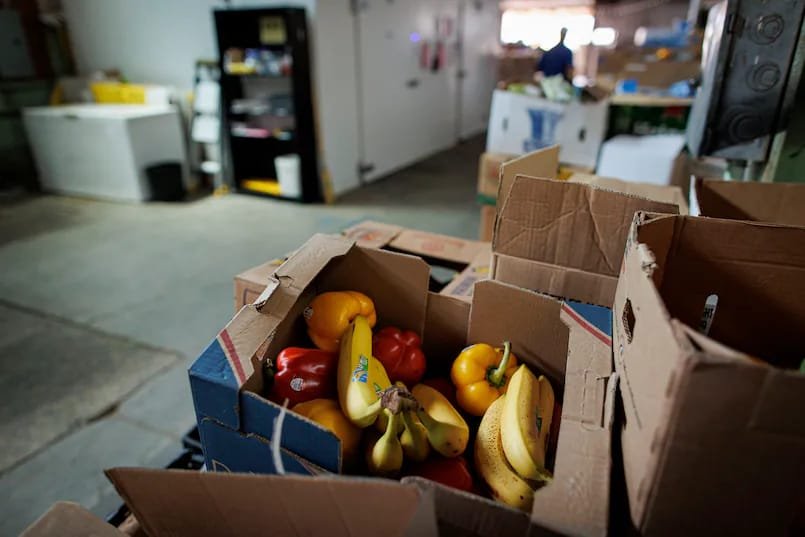
Zero-tolerance policies may sound principled, but in practice they often lack nuance. Scarborough is one of the most economically diverse—and economically strained—areas in the region. Food insecurity there is not hypothetical; it is daily reality. Disrupting food distribution, even temporarily, can mean missed meals, increased stress, and deeper cycles of poverty.
Real-world relevance matters here. Food banks are not abstract institutions; they are lifelines. Any decision affecting them should be measured not just by governance standards, but by human impact.
A Missed Opportunity for Leadership
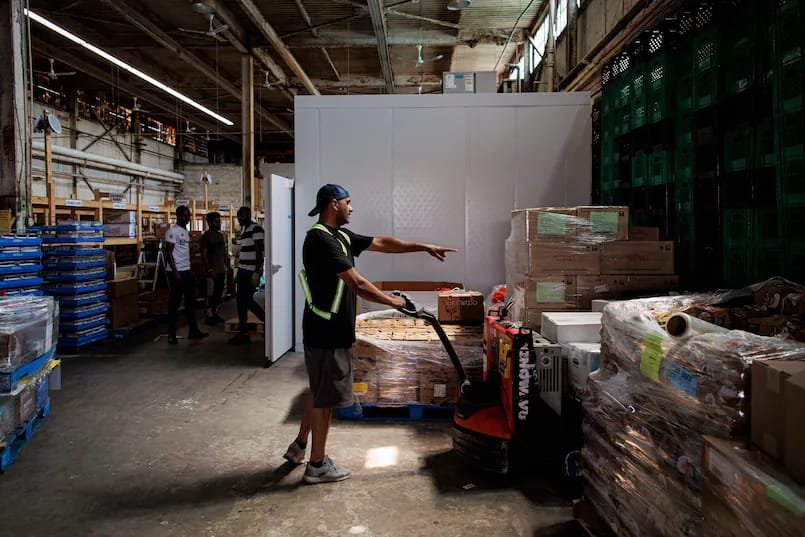
Daily Bread could have taken a different path—one that balanced accountability with responsibility. Enhanced oversight, temporary trusteeship, or conditional support pending investigation would have demonstrated true leadership. Instead, the abrupt severing of ties sends a message that risk mitigation outweighs community obligation.
Strong institutions are not defined by how quickly they distance themselves from problems, but by how effectively they manage crises without abandoning those they claim to serve.
The Bigger Picture: Trust, Transparency, and Compassion
This episode should prompt a broader conversation about how nonprofit networks handle internal crises. Trust is not preserved by silence or withdrawal; it is built through transparency, proportional response, and empathy. If charitable organizations begin to act like corporations obsessed with liability, they risk eroding the moral authority that justifies their existence.
Conclusion: Who Bears the Real Cost?
Daily Bread may argue that it acted responsibly. Legally, that may prove true. But morally and socially, the verdict is far less clear. When partnerships end abruptly, it is not balance sheets that go hungry—it is people.

If accountability is the goal, then compassion must be part of the process. Otherwise, the nonprofit sector risks becoming yet another system where the powerless absorb the fallout of decisions made far above them.