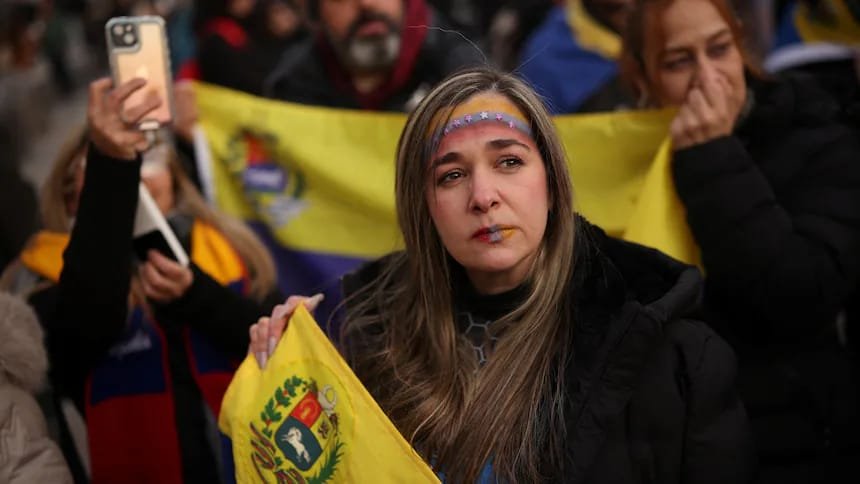
Exile Is Not a Choice — It Is a Verdict on the State
When Venezuelans living in Spain say that conditions are “still not right” to return home, this is not an emotional overreaction or political posturing. It is a sober judgment based on lived experience. People do not abandon their language, culture, family ties, and professional lives lightly. Exile is not a lifestyle preference; it is a verdict on the failure of a state to guarantee safety, dignity, and opportunity.
To dismiss these voices as pessimistic or “anti-national” is to misunderstand what exile truly represents. It is not rejection of Venezuela — it is a refusal to normalize dysfunction.
Stability Is More Than the Absence of Headlines
Supporters of the idea that Venezuela is “improving” often point to surface-level indicators: calmer streets, fewer protests, or selective economic openings. But stability without institutional trust is fragile and deceptive. A country does not become safe simply because repression has quieted dissent or because survival has replaced resistance.
Exiled Venezuelans understand this distinction better than anyone. They know that returning requires more than temporary calm; it requires rule of law, independent courts, credible elections, and guarantees that dissent will not be punished retroactively. Without these foundations, any return is a gamble with one’s freedom and future.
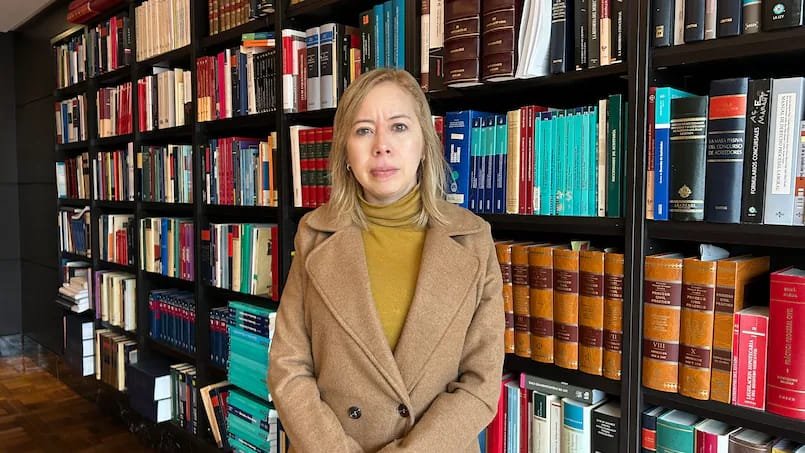
Spain as a Mirror, Not a Magnet
Spain is not merely a refuge for Venezuelan exiles; it is a mirror that reflects what Venezuela no longer provides. Predictable institutions, freedom of expression, functioning public services, and a social contract that, while imperfect, is real. Living within such a system reshapes expectations.
Once people experience a society where laws matter more than loyalty, where bureaucracy is frustrating but not weaponized, and where disagreement is not criminalized, returning to uncertainty becomes a rational risk assessment — not a nostalgic impulse.
Economic Recovery Without Political Reform Is a Trap
Some argue that economic improvements should be enough to bring people back. This view is dangerously shortsighted. Economic openings without political reform often benefit a narrow elite while leaving structural injustice intact. History shows that authoritarian systems can tolerate limited market activity as long as power remains untouched.
Exiles recognize that rebuilding a life requires more than income. It requires predictability: the assurance that a business won’t be seized, that a professional career won’t depend on party allegiance, and that children won’t inherit instability as their birthright.
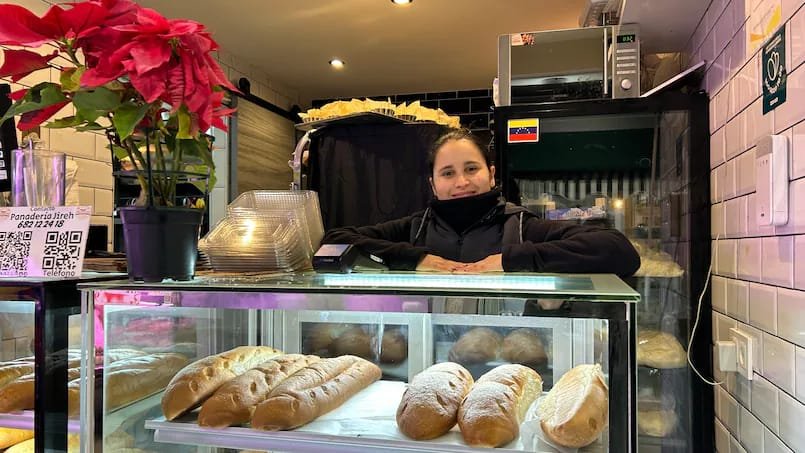
The Burden of Proof Lies With the State
The responsibility to enable return does not rest with those who fled — it rests with the state that failed them. Asking exiles to “give it another chance” without systemic change is an abdication of accountability. Trust, once broken at a national level, is not restored through rhetoric or isolated reforms.
A genuine invitation home would involve transparent elections, released political prisoners, restored press freedom, and an independent judiciary. Anything less is not reconciliation; it is public relations.
Refusal to Return Is an Act of Civic Honesty
There is an uncomfortable truth here: by choosing not to return, exiled Venezuelans are exercising a form of civic honesty. They refuse to legitimize a system that has not fundamentally changed. Their absence is not abandonment — it is testimony.
In this sense, exile becomes a quiet but powerful form of resistance. It says: normalcy cannot be declared into existence. It must be built.
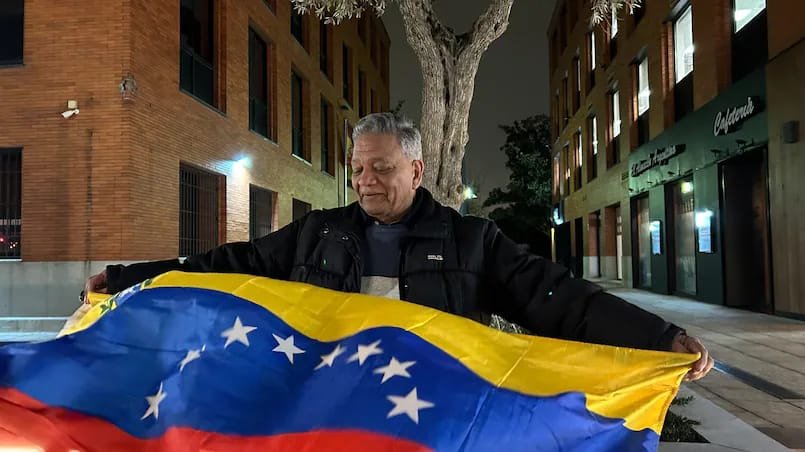
Conclusion: Home Is Not a Place, It Is a Promise
For Venezuelans in Spain, “home” is not just geography. It is a promise of rights, safety, and future possibility. Until that promise is credible, returning is not an act of patriotism — it is an act of denial.
The real question, then, is not why exiles hesitate to return. It is why the conditions that forced them to leave remain so stubbornly intact.
About the Author