





An Unintended Catalyst for Insurgency
The recent U.S. military operation in Venezuela—marked by the capture of President Nicolás Maduro in a high-risk raid—was celebrated in some Western capitals as a decisive blow against authoritarianism and narcoterrorism. Yet this bold move risks empowering exactly the forces Washington claims to diminish. Rather than stabilizing the region, the intervention has injected a fresh impetus into guerrilla movements, particularly along the Colombia-Venezuela border, where groups like the National Liberation Army (ELN) have long sought to expand their influence.
Guerrilla Adaptation: From Margins to Opportunity
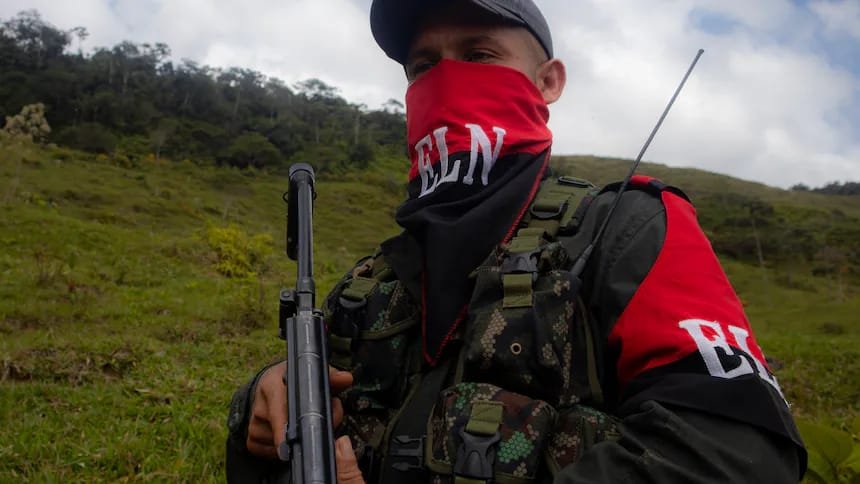
Guerrilla groups excel in complexity, ambiguity, and asymmetry—conditions now amplified by U.S. action. The ELN, with an estimated 6,500 fighters and deep roots in borderlands, has long operated as both an insurgent force and a de facto local authority, administering services and enforcing order where state presence has waned.
In the wake of the U.S. strike, these groups are recalibrating. They are consolidating their security protocols, reassessing territorial control, and exploiting the power vacuum in areas where Venezuelan state structures have frayed. The very disruption of central authority creates a fertile environment for guerrilla expansion, as local populations—disoriented by political upheaval and wary of external forces—seek protection and stability from non-state actors.
Historical Logic of Insurgency
Historically, foreign military interventions in fragmented states rarely eradicate insurgencies; they often redistribute them. In Iraq and Afghanistan, for example, insurgent networks adapted to coalition tactics, exploiting societal divisions and the legitimacy gap between external forces and local communities. Venezuela now faces a similar dynamic. The U.S. strike may weaken the formal apparatus of the Maduro regime, but it also weakens the social contract tying ordinary Venezuelans to the state—particularly among those displaced, impoverished, or politically marginalized. These are the constituencies guerrilla groups historically recruit from.
Political Legitimacy and Local Grievances
Critics of intervention highlight that Venezuelans have complex views of U.S. involvement. Many support regime change, seeing foreign action as necessary after years of economic collapse. Yet even among those welcoming change, there is deep skepticism about external militarization and who truly benefits from it. Washington’s legal and moral authority to conduct strikes has been questioned, complicating any narrative of liberatory intervention.
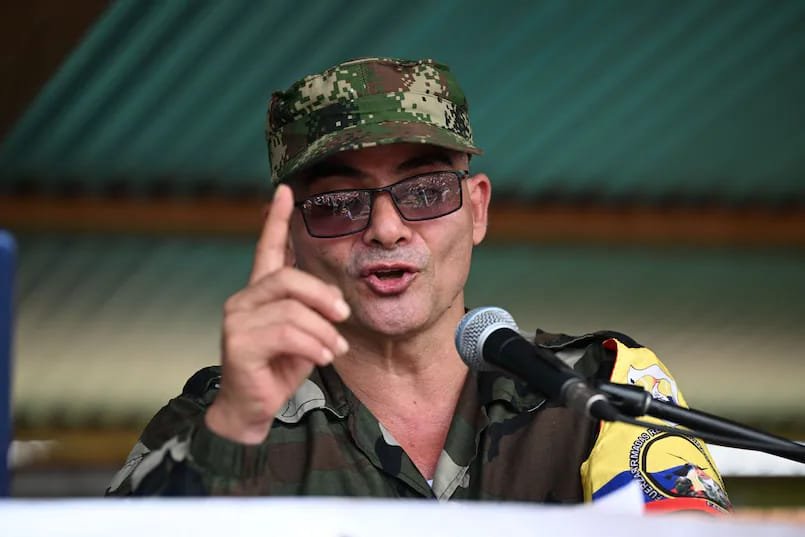
Guerrilla groups will exploit this duality. They will frame themselves as defenders of sovereignty against foreign interference, tapping into nationalist sentiments that transcend allegiance to any one Venezuelan faction. This kind of legitimacy—born from resistance rather than governance—can be a potent recruiting tool, particularly among youth disillusioned with both the old regime and foreign powers.
Cross-Border Dynamics and Regional Risk
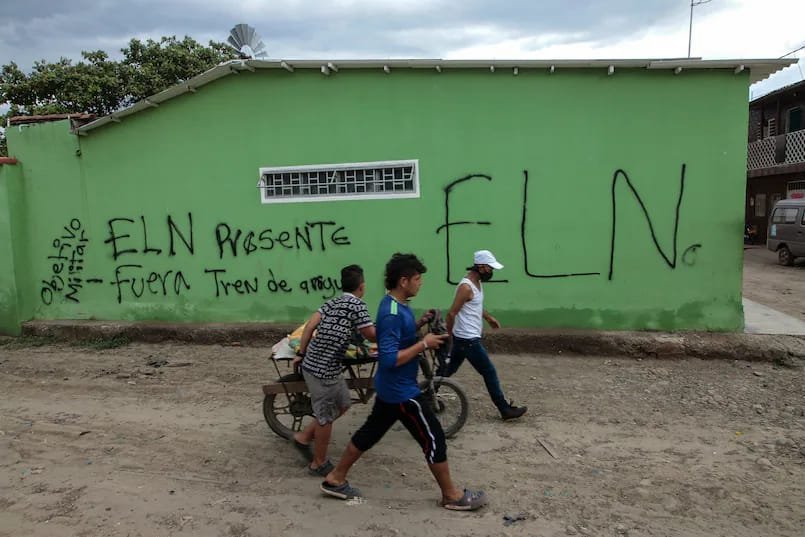
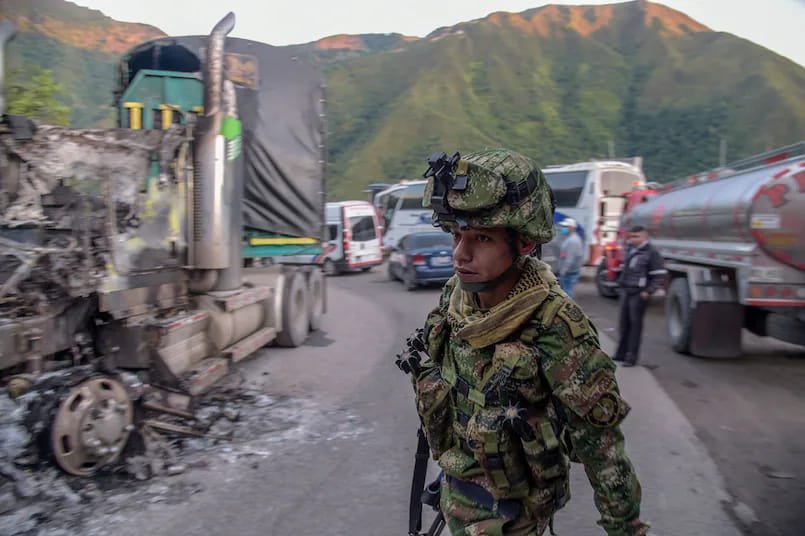
The guerrilla threat is not contained within Venezuelan borders. Groups like the ELN have a transnational footprint, operating in Colombia’s unruly border regions and already integrated into parts of Venezuela’s illicit economies. Prior to the U.S. operation, these groups had escalated their activities, including coordinated assaults and expanded territorial control.
The collapse of centralized authority in Venezuela could hand them access to weapons depots, safe havens, and trafficking corridors—resources that enhance their operational capabilities. As they absorb military assets or exploit the chaos of a transitional period, guerrilla groups could evolve from peripheral actors to central threats in a new phase of regional conflict.
The Perils of Short-Term Gains and Long-Term Chaos
Supporters of the intervention may argue that capturing Maduro weakens state structures complicit in narcoterrorism and that this opens pathways to democratic renewal. But this perspective undervalues the adaptive resilience of guerrilla movements. Military decapitation does not address the underlying socioeconomic grievances—poverty, exclusion, lack of opportunity—that fuel insurgencies. Without a comprehensive political solution inclusive of local voices and driven by Venezuelans themselves, any temporary tactical advantage risks mutating into chronic instability.
Conclusion: A Strategic Reassessment Is Urgent
The United States’ assertive military posture in Venezuela was intended to disrupt authoritarian control and narcoterrorist networks. Instead, it may be creating the conditions for a more entrenched, adaptive insurgency that fills the vacuum left by a weakened state. Guerrilla groups are not relics of the past; they are dynamic actors ready to capitalize on this moment of disruption.
If Washington hopes to prevent the empowerment of insurgents, it must couple any security actions with robust diplomacy, economic support for reconstruction, and genuine engagement with regional partners. Failing to do so risks trading one form of instability for another—one in which guerrilla forces, emboldened by perceived U.S. overreach and local grievances, become the defining actors of Venezuela’s turbulent future.