









When Accessibility Depends on Luck, the System Is Broken
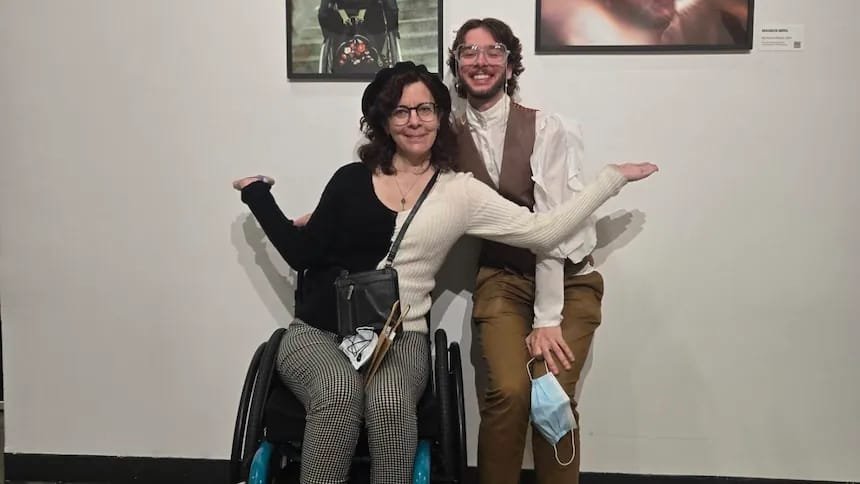
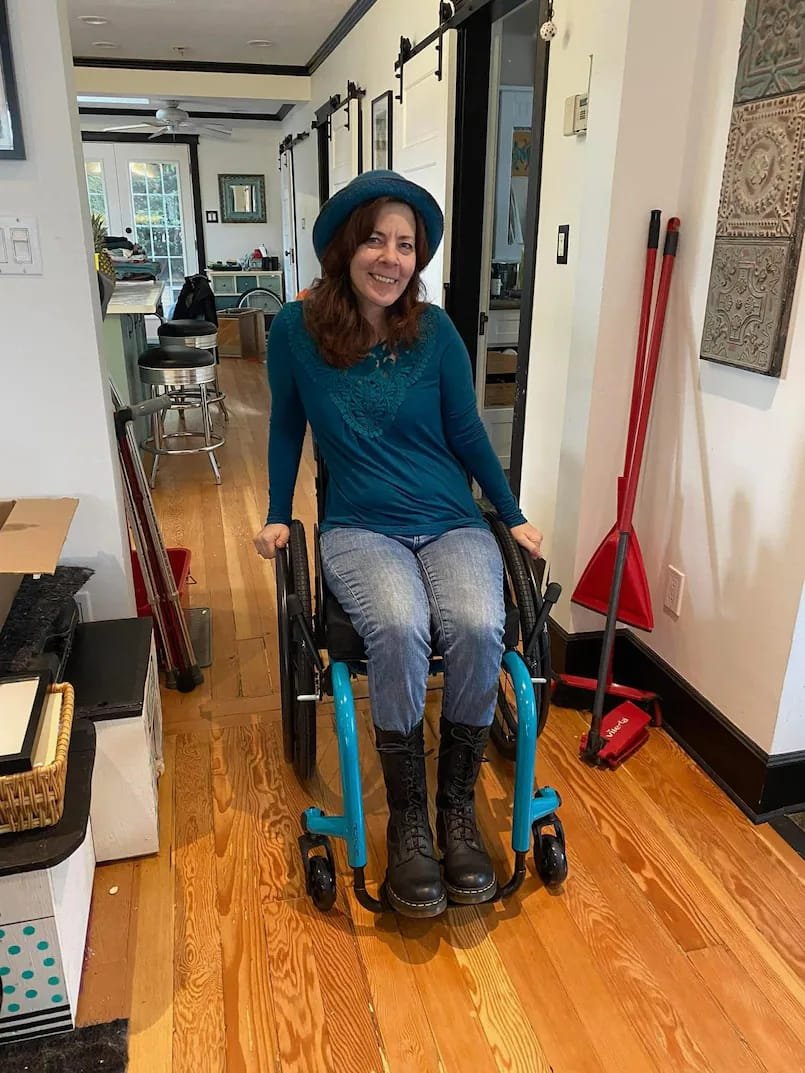
The story of a B.C. woman finally getting her mobility device back after a Toronto Lyft driver stopped returning calls should not be framed as a feel-good ending. It should be treated as a warning. When a person with a disability loses access to essential equipment because of a rideshare driver’s negligence—and must rely on public pressure or persistence to recover it—the problem is not just individual behavior. It’s systemic failure.
Mobility devices are not accessories. They are extensions of a person’s independence, dignity, and basic freedom. Treating their loss as an inconvenience rather than a crisis exposes a dangerous blind spot in how gig-economy companies approach accessibility and responsibility.
A Mobility Device Is Not a Forgotten Phone
If a rider leaves behind a phone, wallet, or jacket, it’s frustrating—but survivable. A lost mobility device is fundamentally different. It can mean being trapped at home, unable to work, attend medical appointments, or perform basic daily tasks. In extreme cases, it can threaten physical safety and mental health.
Yet rideshare platforms often handle these incidents through the same lost-and-found processes used for everyday items. That equivalence is deeply flawed. A system that does not distinguish between a cane and a coffee mug is a system designed without disabled people in mind.
Silence Is Not a Neutral Act
The most troubling aspect of this case is not that the device was misplaced—but that the driver allegedly stopped responding. Silence, in this context, is not passive. It actively prolongs harm.
Whether the silence stemmed from indifference, fear, or inconvenience doesn’t matter. What matters is the impact. When someone’s mobility is compromised, time is not a luxury. Every unanswered call compounds vulnerability.
Companies like Lyft cannot distance themselves by framing these incidents as “driver issues.” Drivers operate under their brand, their app, and their policies. Responsibility flows upward.
The Accountability Gap in the Gig Economy
This case highlights a recurring problem in gig-based services: diffuse accountability. Drivers are labeled as independent contractors. Companies claim limited control. Customers are left navigating a maze of automated support systems.
For able-bodied users, this is irritating. For disabled users, it can be devastating.
If a platform profits from transporting people—including people with disabilities—it must also bear responsibility when that service causes disproportionate harm. Anything less is exploitation disguised as innovation.
Why This Could Happen to Anyone
While this story centers on disability, its implications are broader. It demonstrates how easily essential needs can be sidelined in systems optimized for speed, scale, and profit. Today it’s a mobility device. Tomorrow it could be medication, medical equipment, or a child’s safety item.
A society that tolerates these gaps is one that assumes vulnerability is rare. It isn’t. Injury, illness, aging—these are universal experiences. Designing systems that fail disabled people ultimately means designing systems that will fail all of us eventually.
What Real Responsibility Should Look Like
True accountability would mean:
- Priority escalation for lost assistive devices
- Immediate company-led intervention, not driver-dependent goodwill
- Clear penalties for non-responsive behavior
- Proactive accessibility policies, not reactive apologies
- Most importantly, it would mean listening to disabled users before crises occur, not after headlines are written.
A Return Is Not a Resolution
Yes, the woman got her mobility device back. That is a relief—not a victory. The real question is why it took so long, and how many similar stories never make the news.
Progress is not measured by happy endings, but by whether the same harm can happen again. Until rideshare companies treat accessibility as a core responsibility rather than an edge case, these stories will keep repeating—and each one will quietly remind us that dignity should never depend on persistence or luck.